
Hydraulic Accessories - ICON
Hydraulic Accessories like O-rings and filters help maintain the performance and reliability of hydraulic systems. O-rings provide a secure seal to prevent fluid leaks, ensuring the system operates efficiently and safely under high-pressure conditions. Filters are essential for removing contaminants from hydraulic fluid, protecting sensitive components from wear and extending the system’s lifespan. At Centro, we offer a wide range of high-quality O-rings and filters to meet the demands of various industrial applications. Contact us to find the right hydraulic accessories for your needs.
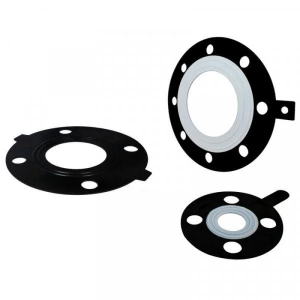
Configure product to see pricing
Configure product to see pricing
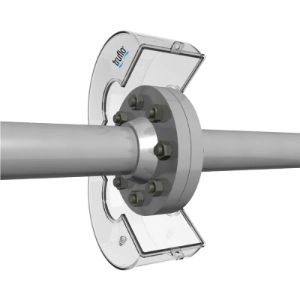
Configure product to see pricing
Configure product to see pricing
Configure product to see pricing
Configure product to see pricing
Configure product to see pricing
Configure product to see pricing
- Hydraulic accessories are the supporting components that keep hydraulic systems running reliably and efficiently — they include O-rings and seals (prevent fluid leaks at every connection point and moving interface in the system), filters (remove contaminants from hydraulic fluid to protect pumps, valves, cylinders, and other sensitive components from wear and damage), and related accessories like filter elements, seal kits, and replacement parts. Hydraulic systems operate at high pressures (often 3,000–5,000 psi or more), so even a small leak or a contaminated fluid supply can cause significant performance degradation, component damage, or safety hazards. Keeping seals in good condition and fluid clean are the two most impactful maintenance practices for extending hydraulic system life and preventing unplanned downtime.
- Hydraulic O-ring selection requires matching the seal material, size, and hardness to the system's fluid, pressure, temperature, and dynamic conditions. For material, Buna-N (Nitrile/NBR) is the standard for petroleum-based hydraulic fluids — it offers excellent oil resistance and good mechanical properties at temperatures from –40°F to 250°F. Viton (FKM) handles a wider temperature range (up to 400°F) and resists synthetic hydraulic fluids, phosphate esters, and many chemicals. Polyurethane provides outstanding wear resistance for dynamic seals in cylinders operating at high pressures. For size, the O-ring must match the groove dimensions exactly — the inside diameter, cross-section, and groove depth must be correct to achieve proper compression (typically 10–30% squeeze depending on the application). Too much squeeze increases friction and accelerates wear; too little squeeze causes leaks. Hardness (durometer) matters too — softer O-rings (70 Shore A) seal better at lower pressures, while harder O-rings (90 Shore A) resist extrusion at high pressures. Always refer to the equipment manufacturer's specifications for the exact O-ring size and material.
- Hydraulic fluid contamination is the leading cause of hydraulic system failures — industry studies consistently show that 70–80% of hydraulic component failures are caused by contaminated fluid. Microscopic particles (metal shavings, dirt, seal fragments, and wear debris) circulate through the system and cause abrasive wear on pump gears, valve spools, cylinder bores, and bearing surfaces, gradually degrading performance until components fail. Water contamination causes corrosion, reduces lubrication effectiveness, and accelerates oil breakdown. Filters remove these contaminants from the fluid stream, protecting every component downstream. Hydraulic filters are rated by their micron size (the smallest particle they can capture — typically 3 to 25 microns for industrial systems) and their beta ratio (a measure of filtration efficiency). Key filter locations include pressure-line filters (protect specific components), return-line filters (catch contaminants before fluid returns to the reservoir), and suction-line strainers (protect the pump from large particles). Replace filter elements on a regular schedule or when the differential pressure indicator shows the element is loaded.
- Hydraulic seal replacement frequency depends on the operating conditions — pressure, temperature, cycle rate, fluid type, and contamination level all affect seal life. In general, dynamic seals (in cylinders, motors, and valve spools that move during operation) wear faster than static seals (in fittings and connections that don't move) and need replacement more frequently. Signs that seals need replacement include visible external leaks (oil drips or puddles), internal leaks (cylinder drifts under load, system loses pressure, or cycle times slow down), hardened or cracked seal material visible during inspections, and increased system temperature (internal leakage generates heat). Best practice is to include seal inspection in your preventive maintenance program — check for leaks during regular walkarounds, monitor system pressure and cycle time for degradation trends, and replace seals proactively during scheduled downtime rather than waiting for failure. Always replace seals with the correct material and size specified by the equipment manufacturer, and keep spare seal kits on hand for critical equipment.
- The most common causes of premature O-ring failure in hydraulic systems are chemical incompatibility (the hydraulic fluid or a cleaning solvent attacks the O-ring material, causing it to swell, soften, shrink, harden, or dissolve), excessive temperature (operating above the seal material's rated temperature causes hardening, cracking, and loss of elasticity — called compression set), extrusion (system pressure exceeds the seal's capability, forcing the O-ring material into the gap between mating parts — especially at high pressures without backup rings), improper installation (cutting or nicking the O-ring during assembly, twisting a large-diameter O-ring in its groove, or using the wrong size), contamination (abrasive particles in the hydraulic fluid score the sealing surfaces and cut into the O-ring), and excessive squeeze or insufficient lubrication during installation. To maximize seal life, verify material compatibility before selecting the O-ring, keep fluid clean through proper filtration, operate within the seal's rated temperature and pressure range, use proper installation tools and lubricants, and replace O-rings with the correct size and material every time.