
Analytical Tools - ICON
At Centro, we carry a complete selection of analytical tools for purchase online. This includes everything from analytical probes and transmitters to conductivity...
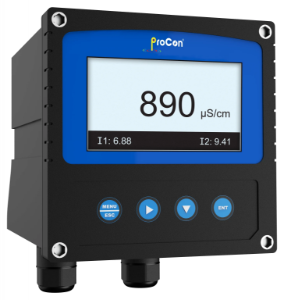
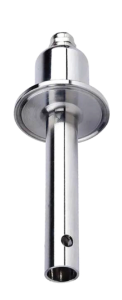
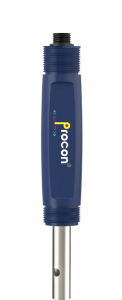
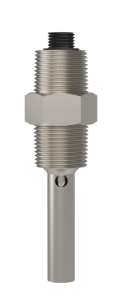
Conductivity analytical tools play a pivotal role in measuring the ability of a solution to conduct electric current, providing valuable insights into the concentration of dissolved ions. These tools are widely used in various scientific, industrial, and environmental applications to assess the purity and composition of liquids. The principle underlying conductivity measurements involves the detection of ions, which enhance electrical conductivity in a solution. The greater the concentration of ions, the higher the conductivity. Commonly employed in water quality testing, pharmaceutical manufacturing, and chemical process control, conductivity analytical tools assist in monitoring the effectiveness of water treatment processes, ensuring compliance with regulatory standards, and maintaining the integrity of industrial processes. The versatility of conductivity measurements extends to applications such as detecting contaminants, assessing the salinity of water bodies, and optimizing the efficiency of chemical reactions. Regular calibration and maintenance are essential to ensure the accuracy and reliability of conductivity analytical tools, contributing to their indispensable role in analytical chemistry and industrial quality control.
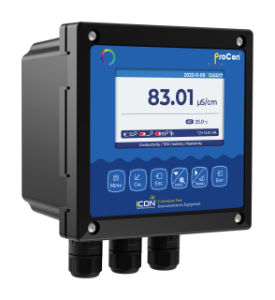
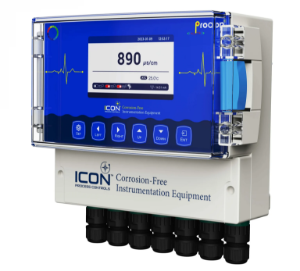
Conductivity transmitters measure and transmit electrical conductivity levels in liquids. These transmitters convert conductivity measurements into standardized electrical signals (such as 4-20 mA) for monitoring and control systems. Conductivity transmitters provide real-time data to optimize processes and ensure compliance with regulatory standards. Browse our selection below or contact us to speak with a product expert.
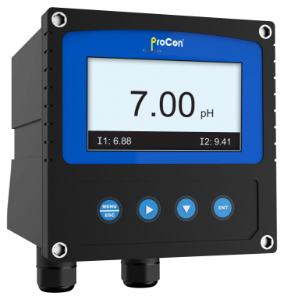
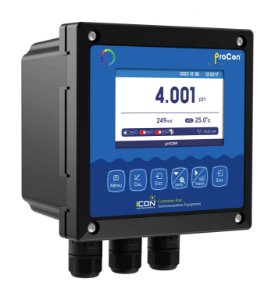
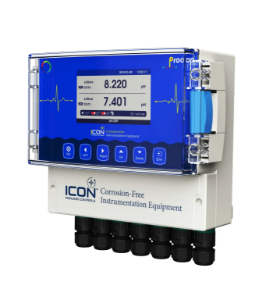
pH transmitters play a crucial role in the field of analytical instrumentation by converting electrical signals from pH probes into usable data for monitoring and control systems. These devices enhance the functionality of pH measurement tools, such as pH electrodes or probes, by amplifying and transmitting the signals they generate. pH transmitters are essential in industrial processes where maintaining a specific pH level is critical for product quality or process efficiency. These transmitters not only provide accurate and continuous pH readings but also offer additional features such as data logging, remote access, and integration with control systems. This allows for real-time monitoring and adjustments to ensure optimal conditions. pH transmitters find applications in diverse industries, including chemical manufacturing, water treatment, and food production, contributing to improved process control and overall operational efficiency. Regular calibration and maintenance are essential to uphold the accuracy and reliability of pH transmitters, ensuring their effectiveness in various analytical and industrial settings.
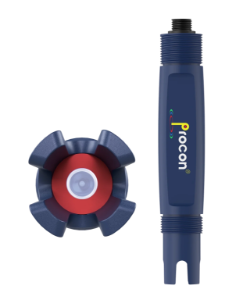
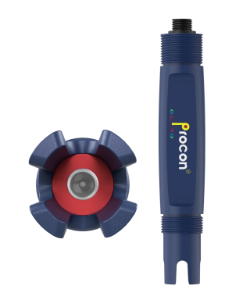
pH probes and transmitters constitute a dynamic duo in the realm of pH measurement, offering sophisticated and precise tools for assessing the acidity or alkalinity of solutions. pH probes, often composed of a sensitive glass electrode and a reference electrode, function by converting the concentration of hydrogen ions into electrical signals. These probes are adept at delivering accurate and real-time pH readings, making them indispensable in laboratory research, industrial processes, and environmental monitoring. Paired with pH transmitters, which amplify and convert the electrical signals from the probes into a format suitable for interpretation and display, these tools provide a comprehensive solution for continuous pH monitoring. pH transmitters offer additional features such as data logging, remote access, and integration with control systems, enhancing their utility in complex industrial operations. This combination of pH probes and transmitters ensures not only precise measurements but also facilitates efficient and automated pH control in diverse applications, contributing to the optimization of processes and the maintenance of desired conditions. Regular calibration and maintenance routines are vital to guarantee the reliability and longevity of these pH tools in critical analytical and industrial settings.
Configure product to see pricing
Configure product to see pricing
Configure product to see pricing
Configure product to see pricing
Configure product to see pricing
Configure product to see pricing
Configure product to see pricing
Configure product to see pricing
Configure product to see pricing
Configure product to see pricing
Configure product to see pricing
Configure product to see pricing
Configure product to see pricing
Configure product to see pricing
Configure product to see pricing
Configure product to see pricing
Configure product to see pricing
Configure product to see pricing
Configure product to see pricing
Configure product to see pricing
Configure product to see pricing
Configure product to see pricing
Configure product to see pricing
Configure product to see pricing
Configure product to see pricing
Configure product to see pricing
Configure product to see pricing
Configure product to see pricing
Configure product to see pricing
Configure product to see pricing
Configure product to see pricing
Configure product to see pricing
Configure product to see pricing
Configure product to see pricing
Configure product to see pricing
Configure product to see pricing
Configure product to see pricing
Configure product to see pricing
Configure product to see pricing
Configure product to see pricing
Configure product to see pricing
Configure product to see pricing
Configure product to see pricing
Configure product to see pricing
Configure product to see pricing
Configure product to see pricing
Configure product to see pricing
Configure product to see pricing
- Analytical instruments measure the chemical composition or properties of a process stream — going beyond the physical variables (temperature, pressure, flow, level) to tell you what is in the fluid and how much. Common analytical measurements include pH (acidity/alkalinity of a liquid), conductivity (dissolved ionic content — used in water quality, chemical concentration, and clean-in-place verification), dissolved oxygen (critical in water treatment, fermentation, and boiler feedwater), turbidity (clarity of a liquid — used in drinking water and wastewater compliance), and gas analysis (O2, CO2, CO, combustibles — used in combustion optimization, emissions monitoring, and safety). These measurements are essential for process quality control, environmental compliance, energy optimization, and safety in industries like water treatment, chemical processing, food and beverage, pharmaceuticals, and power generation.
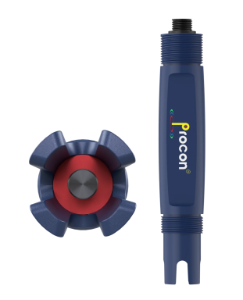
- pH measurement uses a glass electrode sensor immersed in the process liquid — the sensor generates a millivolt signal proportional to the hydrogen ion concentration (pH) of the solution. The sensor connects to a pH transmitter or analyzer that converts the signal to a readable pH value (0–14 scale) and outputs a 4–20 mA signal to the control system. For closed-loop pH control, a controller adjusts a chemical dosing pump to add acid or base as needed to maintain the target pH. Key considerations for pH measurement include selecting the right electrode type for the application (general-purpose glass, flat-surface for viscous media, or specialty electrodes for high-temperature or high-alkaline conditions), using the correct mounting (retractable assemblies allow electrode removal for cleaning without shutting down the process), and maintaining a proper calibration schedule (pH electrodes drift over time and require regular two-point calibration with standard buffer solutions).
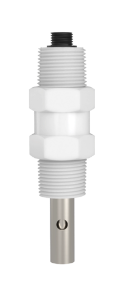
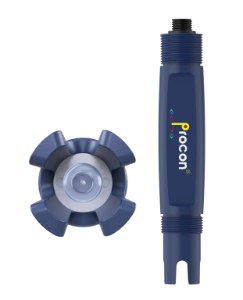
- A conductivity meter measures the ability of a liquid to conduct electricity, which is directly related to the concentration of dissolved ions in the solution. Conductivity is expressed in microsiemens per centimeter (µS/cm) or millisiemens per centimeter (mS/cm). It is used in a wide range of applications: monitoring water purity in boiler feedwater and cooling tower systems (high conductivity means high dissolved solids that cause scaling and corrosion), verifying rinse water quality in parts washing and semiconductor manufacturing (conductivity should drop to near-zero when rinsing is complete), detecting chemical concentration in clean-in-place (CIP) systems (conductivity confirms whether the caustic or acid solution is at the correct strength and whether the rinse cycle is complete), and monitoring wastewater discharge for compliance. Conductivity sensors come in contacting (electrode-based) and toroidal (inductive) types — toroidal sensors are preferred for high-conductivity, dirty, or coating liquids because they resist fouling.
- Dissolved oxygen (DO) is measured using a sensor submerged in the water that detects the concentration of oxygen molecules dissolved in the liquid. Two main sensor technologies are used: electrochemical (galvanic or polarographic) sensors use a membrane-covered electrode that generates a current proportional to the oxygen concentration — these are proven and reliable but require periodic membrane and electrolyte replacement. Optical (luminescent) sensors use a fluorescent material that responds to oxygen — they offer faster response, lower maintenance (no membranes or electrolyte to replace), and better long-term stability. In wastewater treatment, DO measurement is critical for aeration basin control — maintaining the right DO level (typically 1–3 mg/L) ensures the biological treatment process works efficiently without wasting energy on over-aeration. In boiler feedwater, even trace dissolved oxygen causes corrosion — deaerators and chemical scavengers are monitored with DO analyzers to verify oxygen removal to ppb levels.
- Turbidity measures the cloudiness or haziness of a liquid caused by suspended particles — sediment, microorganisms, organic matter, and other particulates that scatter light passing through the water. It is measured in NTU (Nephelometric Turbidity Units) using an optical sensor that shines a light beam into the water and detects the amount of light scattered by particles at a 90-degree angle. Turbidity is one of the most important regulatory measurements in drinking water treatment — the EPA requires finished drinking water to be below 1 NTU (with most treatment plants targeting below 0.1 NTU) because high turbidity can shield pathogens from disinfection, making the water unsafe. In wastewater treatment, turbidity monitoring at the effluent discharge verifies that the treatment process is removing solids effectively before the water is released. In food and beverage production, turbidity measurement monitors product clarity (beer, wine, juice) and verifies filtration performance. Low-cost inline turbidity sensors make continuous monitoring practical for all of these applications.