
Circuit Protection - ABB
Circuit protection devices are essential components in any electrical system, and Centro carries a complete selection of circuit breakers, safety switches, fuses, and fuse blocks. Circuit breakers are designed to p...

Molded case circuit breakers are components in electrical systems, designed to protect circuits and equipment from overcurrents and short circuits. These breakers feature a robust, molded case housing that houses internal components like trip units and contacts. They are versatile, offering adjustable trip settings to accommodate different load requirements and providing reliable protection across various applications, from industrial machinery to commercial buildings. Molded case circuit breakers are important for ensuring electrical safety and minimizing downtime due to electrical faults. Explore our range of molded case circuit breakers or contact us to speak with a product expert.

Circuit breakers protect electrical circuits and equipment from damage due to overload or short circuits by automatically interrupting electrical flow. They prevent overheating, fires, and hazards in residential, commercial, and industrial environments. Available in types like MCBs for homes and MCCBs for industry, circuit breakers are crucial for ensuring safety, minimizing downtime, and supporting efficient electrical operations. Explore our circuit breaker options or contact us to speak to a product expert.

Disconnect switches are components in electrical systems, providing a way to safely isolate circuits for maintenance or emergency purposes. Disconnect switches allow operators to disconnect power swiftly, making sure the safety of personnel and protecting equipment from damage during service or repairs. Disconnect switches are versatile and suitable for different voltage and current ratings. They play a big role in industries ranging from manufacturing and utilities to commercial buildings, where reliable and safe electrical operations are essential. Explore our selection of disconnect switches or contact us to speak to a product expert.

Disconnect accessories for circuit protection are essential in electrical systems, providing critical functions like isolating circuits for maintenance or emergency shutdowns. These accessories include disconnect switches, fuse holders, and auxiliary contacts, each serving specific roles in ensuring safety and operational efficiency. Explore our range of disconnect accessories or contact us to speak with a product expert.

Circuit protection accessories include a variety of components used to safeguard electrical circuits and equipment from overcurrents, overvoltages, and other electrical faults. Browse our selection below or contact us to speak to a product expert.
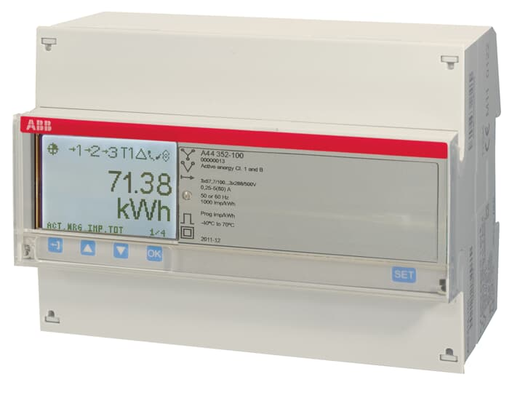
Circuit monitoring is for maintaining electrical system reliability and safety in residential and commercial settings. It involves regularly checking and analyzing circuits to ensure they operate within safe parameters, detecting potential issues like overloads or faults before they cause damage or interruptions. By monitoring circuits, you can identify inefficiencies, optimize energy usage, and prevent costly downtime. This proactive approach enhances safety, extends equipment lifespan, and reduces maintenance costs. Browse our selection of circuit monitoring products below or contact us to speak with a product expert.

Circuit breaker accessories are components that enhance the functionality and safety of electrical systems. Browse our selection of circuit breaker accessories or contact us to speak to a product expert.

Fuse blocks and holders are used to securely mount and protect fuses in electrical circuits. These components provide a safe housing for fuses, ensuring proper electrical isolation and preventing damage from overcurrent conditions. Fuse blocks and holders come in various types, including panel-mounted, DIN rail-mounted, and fuse clips, accommodating different circuit configurations and current ratings. Browse our selection below or contact us to speak with a product expert.

Circuit breaker enclosures are protective housings used to house and safeguard circuit breakers in electrical distribution systems. Circuit breaker enclosures provide a secure and insulated environment for circuit breakers, protecting them from environmental factors and ensuring safe operation. Browse our selection below or contact us to speak with a product expert.
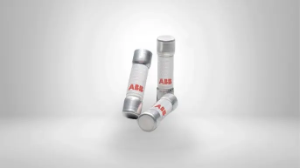
Circuit protection fuses are important for preventing electrical equipment from damage due to excessive currents. They work by cutting off electricity flow when currents surpass safe levels, ensuring safety and preventing potential fires. These fuses come in various types and are widely used in automotive, electronics, and industrial sectors to safeguard against short circuits and overloads. Their sturdy design and precise operation make them essential for maintaining reliability in electrical systems. Browse our selection below or contact us to speak to a product expert.
$104,083.41
Subject to factory lead times

$3,219.42$4,528.60
Subject to factory lead times

$882.06$2,981.41
Subject to factory lead times
$242.31$819.00
Subject to factory lead times
$319.24$1,079.00
Subject to factory lead times
$397.63$1,344.00
Subject to factory lead times
$447.34$1,512.00
Subject to factory lead times
$588.46$1,989.00
Subject to factory lead times
$807.68$2,730.00
Subject to factory lead times
$331.36$1,120.00
Subject to factory lead times
$590.24$1,995.00
Subject to factory lead times
$597.63$2,020.00
Subject to factory lead times
$104,083.41
Subject to factory lead times
$3,219.42$4,528.60
Subject to factory lead times
$882.06$2,981.41
Subject to factory lead times
$242.31$819.00
Subject to factory lead times
$319.24$1,079.00
Subject to factory lead times
$397.63$1,344.00
Subject to factory lead times
$447.34$1,512.00
Subject to factory lead times
$588.46$1,989.00
Subject to factory lead times
$807.68$2,730.00
Subject to factory lead times
$331.36$1,120.00
Subject to factory lead times
$590.24$1,995.00
Subject to factory lead times
$597.63$2,020.00
Subject to factory lead times
- Circuit protection refers to devices — circuit breakers, fuses, and disconnect switches — that guard electrical equipment, wiring, and personnel by interrupting current flow when a fault occurs. Overcurrents caused by short circuits, ground faults, or sustained overloads generate excessive heat that can damage insulation, melt conductors, and start fires. Circuit protection devices detect these conditions and open the circuit before damage occurs. In industrial settings, properly specified circuit protection is not optional — it is required by the National Electrical Code (NEC) and ensures that a fault in one branch circuit does not cascade into a facility-wide failure.
- Both fuses and circuit breakers interrupt current flow during an overcurrent event, but they differ in operation and reusability. A fuse contains a metal element that melts and permanently opens the circuit when current exceeds its rating — it must be replaced after each event. A circuit breaker uses a mechanical or electromechanical mechanism to trip and open the circuit, and it can be reset and reused after the fault is cleared. Fuses offer faster response times and are simpler and less expensive for individual circuit protection. Circuit breakers are more practical where frequent tripping may occur, where resettability reduces downtime, or where remote or adjustable trip settings are needed. In many industrial panels, both are used — fuses for high-speed protection of sensitive components and circuit breakers for branch circuit and feeder protection.
- A molded case circuit breaker (MCCB) is a heavy-duty circuit breaker housed in a rigid, insulated molded case. MCCBs are designed for higher current ratings — typically from 15 amps up to 2,500 amps — making them the standard choice for protecting feeders, branch circuits, and large motor loads in industrial and commercial distribution panels. They provide both thermal protection against sustained overloads and magnetic protection against short circuits. Many MCCBs offer adjustable trip settings, allowing the trip current and delay to be tuned to match the specific load characteristics. For applications requiring coordination between upstream and downstream protective devices, MCCBs provide selectable trip curves that prevent nuisance tripping while ensuring the nearest device to the fault clears first.
- A disconnect switch is a manually operated device that provides a visible, lockable means of isolating a circuit or piece of equipment from its power source. Its primary purpose is safety — it allows maintenance personnel to de-energize equipment and lock it in the off position (lockout/tagout per OSHA standards) so work can be performed without risk of accidental energization. Disconnect switches do not typically provide overcurrent protection on their own; they are paired with fuses (creating a fused disconnect) or installed alongside circuit breakers. Fused disconnects combine isolation and overcurrent protection in a single enclosure, reducing panel space and simplifying wiring. Disconnect switches are required by code at the service entrance, at motors, and at most equipment that requires periodic maintenance access.
- The rating of a fuse or breaker must match the wire size and the load it protects — not the equipment's maximum draw alone. Start with the full-load current of the equipment, then apply NEC derating factors for continuous loads (typically 125% of continuous current). Select a fuse or breaker whose ampere rating does not exceed the ampacity of the conductor it protects. For motor circuits, the NEC specifies separate rules — the branch circuit protective device is sized based on motor full-load current tables (not nameplate), and the type of fuse or breaker (time-delay fuse, inverse-time breaker, instantaneous-trip breaker) determines the maximum allowed percentage. Undersizing causes nuisance tripping; oversizing defeats the purpose of protection and can allow wiring to overheat before the device trips. When in doubt, consult the NEC tables or contact a product expert for proper coordination.
- Circuit breaker accessories extend the functionality of the breaker beyond basic overcurrent protection. Common accessories include shunt trips (allow remote tripping from an external signal or emergency stop), auxiliary contacts (provide status feedback to a PLC or alarm system indicating whether the breaker is open or closed), undervoltage releases (trip the breaker if supply voltage drops below a safe level), and handle locks (lock the breaker in the on or off position for safety compliance). Circuit breaker enclosures are protective housings that mount around the breaker, shielding it from dust, moisture, and accidental contact. Enclosures are rated by NEMA or IP standards — NEMA 1 for general indoor use, NEMA 4/4X for washdown or outdoor environments. Selecting the right enclosure ensures the breaker operates reliably in its installed environment and meets workplace safety requirements.