
Pumps - Danfoss
Industrial pumps move liquids from one place to another, whether you’re handling water, chemicals, or thick, heavy fluids. Most pumps fall into one of two main categories: positive-displacement pumps and cen...

Electronic motor control is vital for modern pump systems, enhancing efficiency and reliability by managing motor speed, torque, and direction. Utilizing variable frequency drives (VFDs) and programmable logic controllers (PLCs) helps optimize energy consumption, reduce mechanical wear, and improve system protection across various applications, including industrial processes, water treatment, and HVAC systems.
How does a variable frequency drive (VFD) work in pump control?
A variable frequency drive (VFD) controls a pump by adjusting the motor's speed and torque to match what's needed. It takes the incoming AC power, converts it to DC, and then back to AC at the right frequency and voltage. By changing the frequency, the VFD can adjust the motor speed, and by controlling the voltage, it keeps the torque just right. This precise control helps improve energy efficiency, reduces wear and tear on the system, and keeps everything running smoothly.
How does programmable logic controllers (PLCs) play in pump motor control?
Programmable logic controllers (PLCs) are key to pump motor control because they automate and monitor the system. They can start and stop the pump, adjust the motor speed, and respond to different inputs and conditions. PLCs also detect faults, schedule operations, and optimize processes to ensure everything runs smoothly and efficiently. Their ability to handle complex control tasks makes them essential for keeping pump systems reliable and efficient.
Do you have questions regarding electronic motor control products for pumps?
Contact us to speak with a product expert to help you from product selection to answering questions about installation.
Related categories: Pump Control System Applications | Electric Motors | Softstarts | Adjustable Frequency Drives
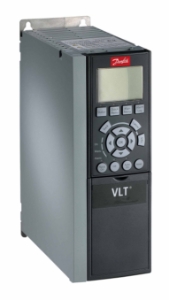
Adjustable frequency drives (AFDs/VFDs) control pump motor speed to match demand. Slowing a pump even slightly can cut energy use dramatically, and drives also provide soft starts and process control.
Benefits for Pumps
- Energy savings – match pump speed to system demand
- Constant pressure control – booster and water systems
- Soft start and stop – reduce water hammer
- Pump protection – dry-run and overload detection
- Multi-pump control – alternate and stage pumps
Choosing a Drive
Size the drive to motor current and voltage. Pump-specific drives include PID control and pump features. Consider enclosures, filters and bypass options.
Centro supplies AFDs for pump control applications.
Related categories: Pump Control System Applications | Softstarts | Electric Motors | Pump Starter Panels
Pump soft starters gradually ramp motor voltage to cut starting current, torque spikes and water hammer. They're a cost-effective way to protect pumps, piping and electrical systems when speed control isn't needed.
Features
- Pump control algorithms – smooth start and stop curves
- Built-in bypass – reduce heat during running
- Motor protection – overload and phase loss
- Compact design – save panel space
Choosing a Soft Starter
Size by motor current and voltage, and select pump-specific stop control to cut water hammer. Consider ambient temperature and enclosure.
Centro supplies soft starters for pump applications.
Related categories: Pump Control System Applications | Electric Motors | Adjustable Frequency Drives | Electric Motor Controls
$712.60$1,018.00
$8,580.90$9,454.00
Subject to factory lead times
$1,270.71$1,400.00
Subject to factory lead times
$1,330.61$1,466.00
Subject to factory lead times
$1,367.83$1,507.00
Subject to factory lead times
$1,554.80$1,713.00
Subject to factory lead times
$1,637.40$1,804.00
Subject to factory lead times
$1,828.00$2,014.00
Subject to factory lead times
$2,281.83$2,514.00
Subject to factory lead times
$2,833.68$3,122.00
Subject to factory lead times
$3,278.42$3,612.00
Subject to factory lead times
$1,199.91$1,322.00
Subject to factory lead times
$1,252.55$1,380.00
Subject to factory lead times
$1,280.69$1,411.00
Subject to factory lead times
$1,460.41$1,609.00
Subject to factory lead times

$1,528.48$1,684.00
Subject to factory lead times
$1,694.58$1,867.00
Subject to factory lead times
$2,116.64$2,332.00
Subject to factory lead times
$2,646.70$2,916.00
Subject to factory lead times
$3,059.68$3,371.00
Subject to factory lead times
$2,244.61$2,473.00
Subject to factory lead times
$2,555.03$2,815.00
Subject to factory lead times
$3,146.82$3,467.00
Subject to factory lead times
$3,618.79$3,987.00
Subject to factory lead times
$712.60$1,018.00
$8,580.90$9,454.00
Subject to factory lead times
$1,270.71$1,400.00
Subject to factory lead times
$1,330.61$1,466.00
Subject to factory lead times
$1,367.83$1,507.00
Subject to factory lead times
$1,554.80$1,713.00
Subject to factory lead times
$1,637.40$1,804.00
Subject to factory lead times
$1,828.00$2,014.00
Subject to factory lead times
$2,281.83$2,514.00
Subject to factory lead times
$2,833.68$3,122.00
Subject to factory lead times
$3,278.42$3,612.00
Subject to factory lead times
$1,199.91$1,322.00
Subject to factory lead times
$1,252.55$1,380.00
Subject to factory lead times
$1,280.69$1,411.00
Subject to factory lead times
$1,460.41$1,609.00
Subject to factory lead times
$1,528.48$1,684.00
Subject to factory lead times
$1,694.58$1,867.00
Subject to factory lead times
$2,116.64$2,332.00
Subject to factory lead times
$2,646.70$2,916.00
Subject to factory lead times
$3,059.68$3,371.00
Subject to factory lead times
$2,244.61$2,473.00
Subject to factory lead times
$2,555.03$2,815.00
Subject to factory lead times
$3,146.82$3,467.00
Subject to factory lead times
$3,618.79$3,987.00
Subject to factory lead times
- Flow (GPM) + total dynamic head (TDH), fluid details (chemistry, temp, solids/viscosity), suction conditions (NPSHa), desired materials, seal type, driver/voltage, connection sizes, and duty cycle.
- The total head the pump must overcome: static lift + discharge head + pressure requirements + friction losses in pipe/fittings/valves/filters, adjusted for fluid density.
- Centrifugal for higher flow/low–moderate viscosity and smoother operation; positive displacement for high viscosity, accurate metering, higher pressures, or when flow must stay steady as pressure changes.
- ANSI process pumps are for clean/process fluids and standard chemical-duty applications; self-priming trash pumps are built to handle air entrainment and larger solids for dewatering/wastewater.
- Match wetted materials to the fluid chemistry, temperature, and abrasiveness (e.g., 316 SS for corrosion resistance; ductile iron for general service; hardened materials/coatings for abrasion).
- Often yes on the discharge side to control flow (within limits), but avoid deadheading too long (heat buildup); never throttle suction, use a valve only for isolation.
- VFD speed control is usually most efficient; throttling works but wastes energy; bypass recirculation may be needed to maintain minimum flow.
- Use viscosity-corrected curves or consider positive displacement; expect reduced flow/increased power and ensure suction piping supports high-viscosity feeding.
- Define solids size, concentration, hardness, and shape; choose solids-handling hydraulics, slower speeds, abrasion-resistant materials, and appropriate clearances.
- Select compatible metallurgy/coatings, control pH/chemistry, reduce velocity in corrosive service, manage solids, and use wear parts designed for abrasion.
- Alignment, lubrication, seal support/flush checks, strainer cleaning, vibration/temperature monitoring, and verifying operation near BEP and above minimum flow.
- Best Efficiency Point is where the pump runs most efficiently with lowest vibration; aim to operate near BEP to improve seal/bearing life and reduce energy cost.