
Bulk Solids Material Handling - Morse Drum
Efficiently manage and transport large volumes of material with our comprehensive range of bulk material handling solutions. This category features an array of products designed for industrial applications, includi...

The Material Handling category within the Bulk Solids division encompasses equipment and solutions designed to efficiently move, feed, store, and control the flow of bulk materials throughout the filtration process. From pneumatic conveying systems and mechanical conveyors to bins, feeders, and valves, these components ensure a consistent and controlled material stream—critical for optimizing filtration efficiency, reducing downtime, and maintaining product integrity.
Whether handling fine powders, granules, or abrasive solids, this category supports a wide range of industrial applications including chemical processing, food and beverage, pharmaceuticals, mining, and plastics. Material handling equipment is carefully engineered to integrate with filtration systems, improve throughput, and support dust control and contamination prevention measures.
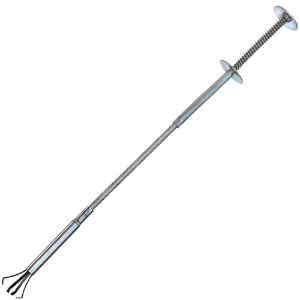
Magnetic Hand Tools are versatile, time-saving solutions designed to enhance efficiency, precision, and safety across a wide range of industrial and professional applications. These tools utilize strong, integrated magnets to hold, retrieve, or manipulate metal parts with ease, ideal for environments where small components, metal shavings, or fasteners are frequently handled. From magnetic pick-up tools and sweepers to trays, wands, and holders, the category offers ergonomic, durable designs that reduce downtime and minimize the risk of dropped or lost materials. Whether on the shop floor, in automotive service, or in maintenance settings, Magnetic Hand Tools provide dependable performance and convenience where it counts.

Dust filtration cartridges are used to filter and trap dust particles from air or gas streams in industrial environments. They are designed with specialized filter media that effectively capture dust and contaminants, ensuring cleaner air and maintaining air quality standards. These cartridges are commonly used in dust collectors, HVAC systems, and industrial ventilation setups to improve workplace safety and equipment efficiency. Browse our selection below or contact us to speak to a product expert.
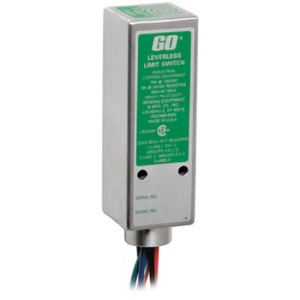
Positioners and limit switches are crucial in various industrial applications, ensuring precise control and safety measures. Positioners are devices designed to accurately control the position of a valve or actuator in response to an input signal. They are commonly used in pneumatic and hydraulic systems to regulate the flow of fluids or gases by adjusting the opening and closing of valves. Positioners enable operators to precisely control the process variables, such as flow rate or pressure, improving industrial operations' efficiency and accuracy. On the other hand, limit switches serve as safety devices that detect the presence or absence of an object and trigger an action when a predetermined limit is reached. These switches are often employed to monitor the position of mechanical components, such as valves, actuators, or machine parts, and ensure that they operate within safe limits. Limit switches can signal the end of travel, prevent overtravel, or initiate emergency shutdown procedures in case of abnormal conditions, enhancing operational safety and protecting equipment from damage. Positioners and limit switches contribute to the reliability, precision, and safety of industrial processes across various sectors, including manufacturing, petrochemicals, and utilities.
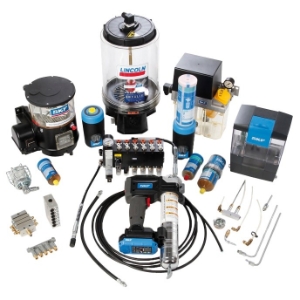
Lubrication equipment is the unsung hero behind the seamless operation of machinery across diverse industries. Its significance lies in its ability to ensure optimal performance and durability of critical components. This versatile range of tools encompasses automated lubrication systems, the backbone of heavy machinery, and precision lubrication instruments designed for the most intricate mechanical parts. By mitigating friction and wear, lubrication equipment not only extends the lifespan of machinery but also safeguards against corrosion and dissipates excess heat, maintaining machinery efficiency at its peak. From gears that turn without a hitch to bearings that glide effortlessly, adequate lubrication is the linchpin of smooth machinery operation. Moreover, it goes beyond mere upkeep; it reduces downtime, cost savings, and heightened overall productivity. In the intricate world of machinery maintenance, lubrication equipment stands tall as the cornerstone of reliability and performance.

Compressed air FRLs, which encompass Filter, Regulator, and Lubricator components, are integral to pneumatic systems. These units filter, regulate air pressure, and provide lubrication to ensure clean, controlled, and well-maintained compressed air for various industrial applications. Compressed air FRLs are crucial for optimizing the performance and longevity of pneumatic equipment in settings such as manufacturing and automation.
$106.06
Subject to factory lead times

$2.99
Subject to factory lead times
$31.00
Subject to factory lead times
$4.08
Subject to factory lead times
$138.69
Subject to factory lead times

$3,021.59
Subject to factory lead times

$2,941.88
Subject to factory lead times
$3,333.16
Subject to factory lead times

$9,680.66
Subject to factory lead times
$2,854.93
Subject to factory lead times
$3,072.31
Subject to factory lead times
$9,709.64
Subject to factory lead times
$3,043.32
Subject to factory lead times
$3,086.80
Subject to factory lead times
$3,420.12
Subject to factory lead times
$4,593.97
Subject to factory lead times
$3,680.97
Subject to factory lead times
$4,825.84
Subject to factory lead times
$3,804.15
Subject to factory lead times

Subject to factory lead times

Subject to factory lead times

$4,333.11
Subject to factory lead times
$4,376.59
Subject to factory lead times
$4,883.81
Subject to factory lead times
$106.06
Subject to factory lead times
$2.99
Subject to factory lead times
$31.00
Subject to factory lead times
$4.08
Subject to factory lead times
$138.69
Subject to factory lead times
$3,021.59
Subject to factory lead times
$2,941.88
Subject to factory lead times
$3,333.16
Subject to factory lead times
$9,680.66
Subject to factory lead times
$2,854.93
Subject to factory lead times
$3,072.31
Subject to factory lead times
$9,709.64
Subject to factory lead times
$3,043.32
Subject to factory lead times
$3,086.80
Subject to factory lead times
$3,420.12
Subject to factory lead times
$4,593.97
Subject to factory lead times
$3,680.97
Subject to factory lead times
$4,825.84
Subject to factory lead times
$3,804.15
Subject to factory lead times
Subject to factory lead times
Subject to factory lead times
$4,333.11
Subject to factory lead times
$4,376.59
Subject to factory lead times
$4,883.81
Subject to factory lead times
- Bulk solids material handling refers to the systems and equipment used to store, move, process, and control dry bulk materials such as powders, granules, pellets, and aggregates in industrial facilities. A complete bulk material handling system typically includes several types of equipment working together: conveying systems (vibratory conveyors, screw feeders, pneumatic conveyors) to transport material between process stages, fans and blowers to provide airflow for pneumatic conveying and ventilation, bulk solids filtration products (dust filtration cartridges, dust collectors, dust filtration ducting) to capture airborne particulates and maintain air quality, expansion joints to absorb thermal movement and vibration in ducting and piping systems, level control devices to monitor material levels in bins and silos, magnets to remove ferrous contaminants from the material stream, and metal structures and stairs to provide safe access to elevated equipment like silos, bins, and platforms. The right combination of equipment depends on the material properties, facility layout, throughput requirements, and industry regulations.
- Industrial fans and blowers are critical components in bulk material handling systems, providing the airflow needed for pneumatic conveying, process ventilation, dust collection, and cooling. In pneumatic conveying systems, blowers generate the air pressure or vacuum that moves dry bulk materials through enclosed pipelines from one point to another — this is how powders, granules, and lightweight materials are transported over distance without open conveyors. Fans are also the driving force behind dust collection systems, pulling dust-laden air from process equipment through filtration ducting and into dust collectors where particulates are captured by cartridges or bags before clean air is returned to the facility or exhausted outside. Material handling fans are specifically designed with radial or paddle-wheel blade configurations that resist clogging and abrasion when handling dirty or particle-laden airstreams. Selecting the right fan or blower involves matching the airflow volume, static pressure, material characteristics, and temperature to the application requirements.
- Expansion joints are flexible connectors installed in piping and ducting systems to absorb thermal expansion, contraction, vibration, and other dynamic movements that occur during normal operation. In bulk material handling, ducting systems that connect dust collectors, fans, conveying equipment, and process vessels experience significant temperature changes and mechanical stress — without expansion joints, these forces would cause cracking, misalignment, or failure of rigid duct and pipe connections. Expansion joints are available in several types including metal (stainless steel or carbon steel bellows for high-temperature and high-pressure applications), rubber (single arch, double sphere, or filled arch designs for vibration isolation and flexibility), and fabric (for large-diameter, low-pressure ductwork commonly found in dust collection systems). The right expansion joint material and style depends on the operating temperature, pressure, chemical environment, and the degree of movement the joint needs to accommodate. Proper selection and installation of expansion joints helps extend the lifespan and reliability of the entire ducting and piping infrastructure.
- Dust filtration is essential in any facility that handles dry bulk materials because processing, conveying, and transferring these materials generates airborne dust that poses health, safety, and environmental risks. Effective dust filtration systems capture particulates at the source before they can spread through the workplace. The key equipment includes dust collectors — units that house filter elements and use pulse-jet cleaning or mechanical shaking to dislodge collected dust for disposal. Dust filtration cartridges are the filter elements inside these collectors, designed with specialized media to trap fine particles from the air or gas stream while maintaining airflow. Dust filtration ducting is the network of ducts that connects emission sources (hoppers, conveyors, transfer points) to the dust collection system, ensuring dust-laden air is captured and routed to the collector. Dust personnel cleaning systems are also part of a complete approach — these stations use high-pressure air nozzles to remove dust from workers' clothing and PPE, with a built-in filtration system to prevent the removed dust from re-entering the work environment. Together, these components maintain air quality, protect worker health, and help facilities meet OSHA and environmental compliance requirements.
- Level control devices and magnets serve different but equally important roles in bulk material handling systems. Level control devices are sensors and instruments installed on bins, silos, hoppers, and tanks to continuously monitor or detect the level of bulk material inside. They prevent costly problems like overfilling (which can cause spills, equipment damage, or safety hazards) and running empty (which can starve downstream processes and damage equipment like pumps or conveyors running dry). Common level measurement technologies include ultrasonic, radar, capacitance, and rotary paddle sensors, each suited to different material types and vessel configurations. Magnets are used to protect equipment and product quality by removing ferrous metal contaminants — tramp metal like bolts, wire fragments, or wear particles — from the bulk material stream before it reaches sensitive processing equipment or finished product packaging. Magnetic separators are typically installed at transfer points, chute openings, or conveyor discharge points where they can capture metal debris as material flows past. Both level control and magnetic separation are standard components of a well-designed bulk handling system that runs reliably and produces clean, uncontaminated product.