
Lubrication Equipment - Morse Drum
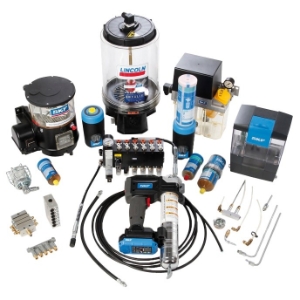
Lubrication equipment is the unsung hero behind the seamless operation of machinery across diverse industries. Its significance lies in its ability to ensure optimal performance and durability of critical component...

The Material Handling category within the Bulk Solids division encompasses equipment and solutions designed to efficiently move, feed, store, and control the flow of bulk materials throughout the filtration process. From pneumatic conveying systems and mechanical conveyors to bins, feeders, and valves, these components ensure a consistent and controlled material stream—critical for optimizing filtration efficiency, reducing downtime, and maintaining product integrity.
Whether handling fine powders, granules, or abrasive solids, this category supports a wide range of industrial applications including chemical processing, food and beverage, pharmaceuticals, mining, and plastics. Material handling equipment is carefully engineered to integrate with filtration systems, improve throughput, and support dust control and contamination prevention measures.
$879.10$1,290.78
Subject to factory lead times
$879.10$1,290.78
Subject to factory lead times
- Industrial lubrication equipment encompasses the pumps, dispensers, automated systems, and accessories used to deliver lubricating oil or grease to machinery bearings, gears, chains, and other moving components. Proper lubrication reduces friction and heat between metal surfaces, preventing premature wear, overheating, and seizure. Without consistent, correct lubrication, critical components degrade rapidly — leading to unplanned downtime, costly repairs, and shortened equipment life. Lubrication equipment ranges from simple manual grease guns for individual grease points to fully automated centralized lubrication systems that deliver measured amounts of lubricant to hundreds of points on a timed schedule.
- Manual lubrication relies on a technician physically applying grease or oil to each lubrication point using a grease gun, oil can, or hand pump — on a scheduled maintenance interval. This approach works for small operations with few grease points but is labor-intensive, inconsistent, and prone to missed points or over/under-lubrication. Automated (centralized) lubrication systems use a pump, reservoir, metering devices, and distribution tubing to deliver precise, measured amounts of lubricant to every point automatically — either on a timed cycle or triggered by a PLC signal. Automated systems ensure every point receives the correct amount at the correct interval, reduce labor costs, minimize waste, and dramatically improve equipment reliability. They are the standard for heavy machinery, production lines, and any application with more than a handful of lubrication points.
- Centralized lubrication systems use several types of pumps depending on the lubricant type, system size, and delivery pressure required. Piston pumps are the most common for grease — they generate high pressure to push thick grease through small-diameter tubing over long distances. Gear pumps and progressive cavity pumps are used for oil-based systems where a continuous, metered flow is needed. Electric pumps are the standard for automated systems, driven by a motor and controlled by a timer or PLC. Pneumatic (air-operated) pumps are used in environments where compressed air is readily available or where electric motors are not practical. Manual pumps serve as backup or for portable applications. The pump must be matched to the lubricant viscosity, the number of lubrication points, the total line length, and the required delivery volume per cycle.
- A complete lubrication system includes more than just a pump and lubricant. Key supporting components include metering devices (injectors or divider valves) that deliver a precise, measured volume of lubricant to each point, distribution tubing and fittings that route lubricant from the pump to each metering device, grease fittings (zerks) at each lubrication point, reservoirs that store the bulk lubricant supply, pressure switches and flow monitors that verify lubricant is actually reaching the points, and controllers or timers that trigger the pump cycle. For automated systems, a PLC interface allows the lubrication cycle to be coordinated with machine operation — for example, lubricating only during non-production intervals or triggering a lubrication cycle after a set number of machine cycles. Filtration accessories keep the lubricant clean, which is critical for system longevity.