
Pumps - Pulsatron/Pulsafeeder
Industrial pumps move liquids from one place to another, whether you’re handling water, chemicals, or thick, heavy fluids. Most pumps fall into one of two main categories: positive-displacement pumps and cen...
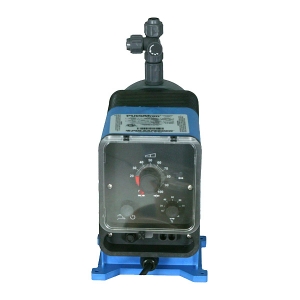
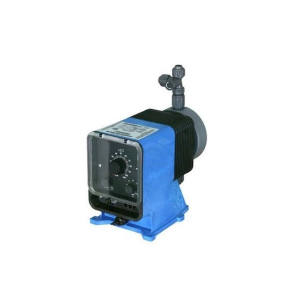
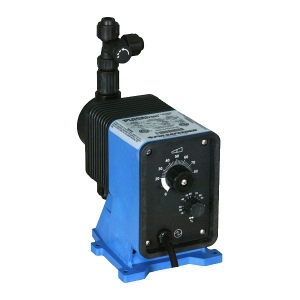
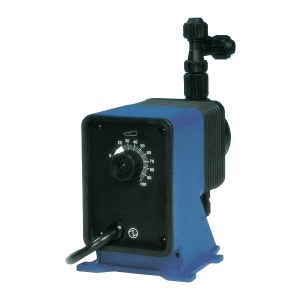
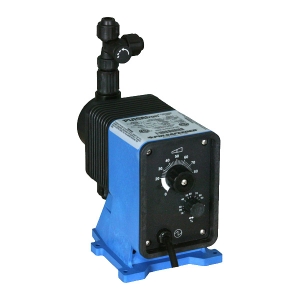
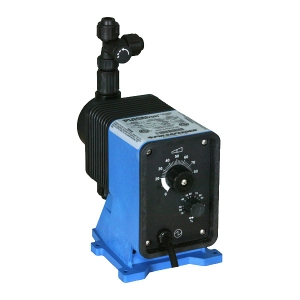
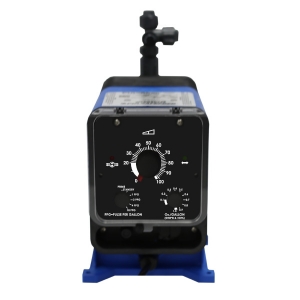
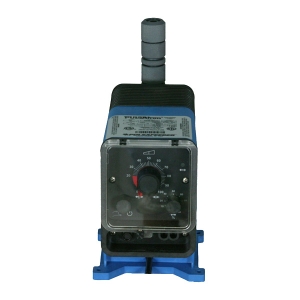
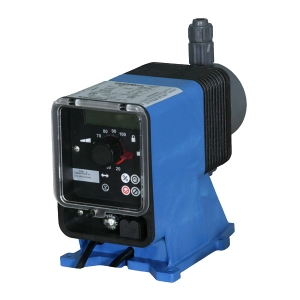
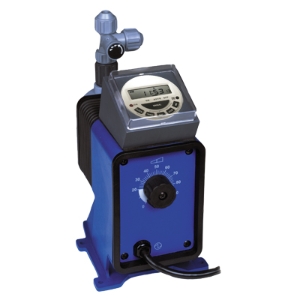
Solenoid driven metering pumps use an electromagnet to drive a diaphragm for precise, low-flow chemical dosing. They're compact, affordable and easy to control, which makes them the go-to choice for water treatment and cleaning chemicals.
Features
- Adjustable stroke rate and length – wide turndown
- External control – pulse, 4-20 mA and timer inputs
- Chemical-resistant heads – PVDF, PVC, PTFE and stainless
- Degassing heads – handle off-gassing chemicals
Choosing a Pump
Provide flow range, pressure, chemical and control method. Include foot valves, injection valves and calibration columns for accurate feed.
Centro supplies solenoid metering pumps for chemical dosing.
Related categories: Metering Pumps | Motor Driven Metering Pumps
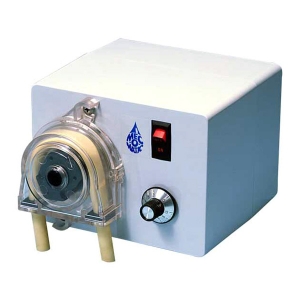
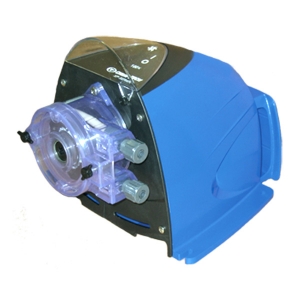
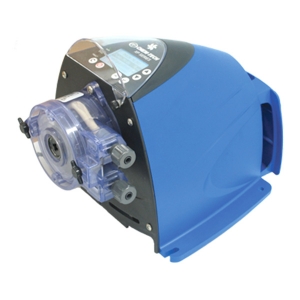
Peristaltic (hose) pumps move fluid by squeezing a flexible hose or tube with rollers or shoes. The fluid only touches the inside of the hose, so these pumps handle abrasive slurries, corrosive chemicals and shear-sensitive products without seals or valves to wear out.
Advantages
- Seal-less design – no leaks and no seals to replace
- Handles abrasives and solids – slurries, lime, sludge and mining fluids
- Gentle pumping – protects shear-sensitive products
- Self-priming and dry-run capable – tolerant of upsets
- Accurate metering – flow proportional to speed
Selection Tips
Pump size depends on flow, pressure and duty. Running slower extends hose life. Choose hose material (natural rubber, Buna, EPDM, Hypalon) for chemical compatibility. Keep spare hoses on hand, since the hose is the main wear item.
Centro supplies peristaltic hose pumps and replacement hoses for chemical feed and slurry transfer.
Related categories: Pumps | Pump Repair | AOD & AODD Pumps
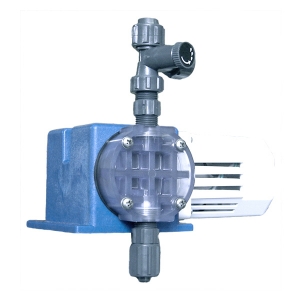
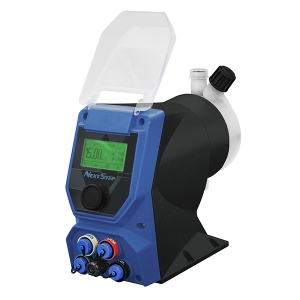
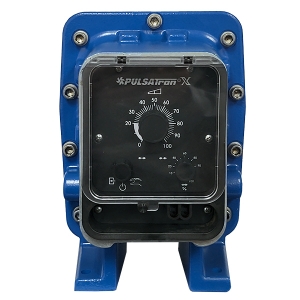
Motor-driven metering pumps deliver accurate, consistent dosing at higher flows and pressures than solenoid pumps. They're built for continuous duty in chemical processing, water treatment and oil and gas.
Pump Types
- Mechanical diaphragm pumps – simple, economical dosing
- Hydraulic diaphragm pumps – high pressure and accuracy
- Piston and plunger pumps – very high pressures
- Multiplex pumps – multiple chemicals from one drive
Choosing a Pump
Provide flow, pressure, chemical and control needs. Select materials and stroke control (manual, electronic or VFD).
Centro supplies motor-driven metering pumps and accessories.
Related categories: Metering Pumps | Solenoid Driven Metering Pumps
$1,399.93$1,671.00
Subject to factory lead times
Configure product to see pricing
Configure product to see pricing
$2,442.12$2,915.00
Subject to factory lead times
$2,024.91$2,417.00
Configure product to see pricing
Configure product to see pricing
Configure product to see pricing
Configure product to see pricing
Configure product to see pricing
Configure product to see pricing
Configure product to see pricing
Configure product to see pricing
Configure product to see pricing
Configure product to see pricing
Configure product to see pricing
Configure product to see pricing
Configure product to see pricing
Configure product to see pricing
Configure product to see pricing
Configure product to see pricing
Configure product to see pricing
Configure product to see pricing
Configure product to see pricing
Configure product to see pricing
Configure product to see pricing
Configure product to see pricing
Configure product to see pricing
Configure product to see pricing
Configure product to see pricing
Configure product to see pricing
Configure product to see pricing
Configure product to see pricing
$1,399.93$1,671.00
Subject to factory lead times
Configure product to see pricing
Configure product to see pricing
$2,442.12$2,915.00
Subject to factory lead times
$2,024.91$2,417.00
Configure product to see pricing
Configure product to see pricing
Configure product to see pricing
Configure product to see pricing
Configure product to see pricing
Configure product to see pricing
Configure product to see pricing
Configure product to see pricing
Configure product to see pricing
Configure product to see pricing
Configure product to see pricing
Configure product to see pricing
Configure product to see pricing
Configure product to see pricing
Configure product to see pricing
Configure product to see pricing
Configure product to see pricing
Configure product to see pricing
Configure product to see pricing
Configure product to see pricing
Configure product to see pricing
Configure product to see pricing
Configure product to see pricing
Configure product to see pricing
Configure product to see pricing
Configure product to see pricing
Configure product to see pricing
Configure product to see pricing
- Flow (GPM) + total dynamic head (TDH), fluid details (chemistry, temp, solids/viscosity), suction conditions (NPSHa), desired materials, seal type, driver/voltage, connection sizes, and duty cycle.
- The total head the pump must overcome: static lift + discharge head + pressure requirements + friction losses in pipe/fittings/valves/filters, adjusted for fluid density.
- Centrifugal for higher flow/low–moderate viscosity and smoother operation; positive displacement for high viscosity, accurate metering, higher pressures, or when flow must stay steady as pressure changes.
- ANSI process pumps are for clean/process fluids and standard chemical-duty applications; self-priming trash pumps are built to handle air entrainment and larger solids for dewatering/wastewater.
- Match wetted materials to the fluid chemistry, temperature, and abrasiveness (e.g., 316 SS for corrosion resistance; ductile iron for general service; hardened materials/coatings for abrasion).
- Often yes on the discharge side to control flow (within limits), but avoid deadheading too long (heat buildup); never throttle suction, use a valve only for isolation.
- VFD speed control is usually most efficient; throttling works but wastes energy; bypass recirculation may be needed to maintain minimum flow.
- Use viscosity-corrected curves or consider positive displacement; expect reduced flow/increased power and ensure suction piping supports high-viscosity feeding.
- Define solids size, concentration, hardness, and shape; choose solids-handling hydraulics, slower speeds, abrasion-resistant materials, and appropriate clearances.
- Select compatible metallurgy/coatings, control pH/chemistry, reduce velocity in corrosive service, manage solids, and use wear parts designed for abrasion.
- Alignment, lubrication, seal support/flush checks, strainer cleaning, vibration/temperature monitoring, and verifying operation near BEP and above minimum flow.
- Best Efficiency Point is where the pump runs most efficiently with lowest vibration; aim to operate near BEP to improve seal/bearing life and reduce energy cost.