
Automation & Robotics Sensors - SICK
Sensors are the eyes and ears of any automated line. They tell a PLC when a part has arrived, how far away an object is, whether a cylinder has finished its stroke, or if a guard door is open. Choosing the right se...

Photoelectric sensors use a beam of light to detect objects without touching them, often from several meters away. They are a staple of packaging, material handling and assembly lines, counting cartons, checking for missing parts and confirming that a product is in position.
Sensing Modes
- Through-beam – separate emitter and receiver for the longest range and highest reliability
- Retroreflective – a single sensor and reflector, easy to align across conveyors
- Polarized retroreflective – detects shiny and wrapped objects without false triggers
- Diffuse and background suppression – sense the target directly and ignore what's behind it
- Clear object and contrast sensors – for bottles, film and printed marks
Selecting the Right Sensor
Consider range, target size, color and surface, and whether there's room for a reflector or receiver. Laser and red-light versions make alignment easier, and IO-Link models allow remote setup and diagnostics. For washdown areas, look for stainless housings rated IP67 or IP69K.
Centro carries photoelectric sensors from trusted automation brands, along with the cables, reflectors and brackets to install them.
Related categories: Automation & Robotics Sensors | Inclination Sensors | Magnetic Cylinder Sensors | Sensor Adapters | Sensor Cables

Proximity sensors detect objects without touching them, usually at close range. They're among the most common sensors in automation, used for part detection, position confirmation and counting.
Proximity Sensor Types
- Inductive sensors – detect metal targets reliably in harsh conditions
- Capacitive sensors – detect non-metals, liquids and powders
- Magnetic sensors – detect magnets through non-ferrous materials
- Factor 1 sensors – same range on all metals
- Weld-immune sensors – resist weld spatter and fields
Choosing a Sensor
Select by target material, sensing distance, housing size and mounting (flush or non-flush). Choose PNP, NPN or IO-Link outputs and connectors to match your controls. Stainless housings suit washdown areas.
Centro carries proximity sensors from trusted automation brands.
Related categories: Automation & Robotics Sensors | Color Sensors | Level Sensors | Detection and Range Solution Sensors | Fiber Optic Sensors
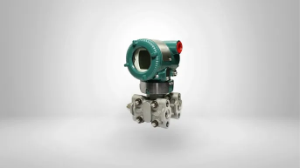
Pressure sensors in automation monitor air, hydraulic and fluid pressure on machines. They confirm clamp pressure, detect leaks and protect equipment.
Sensor Types
- Electronic pressure switches – displays and set points
- Pressure transmitters – analog outputs
- IO-Link pressure sensors – diagnostics and setup
- Vacuum sensors – gripper confirmation
Choosing a Sensor
Select range, output, connection and display options. Compact sensors fit directly on machines.
Centro supplies pressure sensors for automation.
Related categories: Automation & Robotics Sensors | Condition Monitoring | Flow Sensors | Sensor Accessories | Contrast Sensor
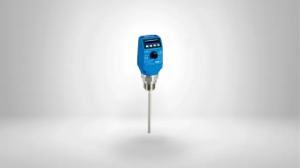
Level sensors in automation detect liquids, powders and granules in tanks, hoppers and machine reservoirs. They prevent overfills, protect pumps from running dry and keep material supply steady for production.
Level Sensor Types
- Capacitive level sensors – detect through non-metallic tank walls
- Ultrasonic level sensors – non-contact continuous measurement
- Optical level sensors – compact point detection
- Float and vibrating sensors – simple, reliable switching
- Guided wave sensors – continuous level in small tanks
Choosing a Sensor
Consider the media, tank material, mounting space and whether you need point or continuous measurement. Foam, buildup and turbulence affect some technologies. IO-Link sensors provide extra diagnostics.
Centro supplies level sensors for machine and process automation.
Related categories: Automation & Robotics Sensors | Proximity Sensors | Fiber Optic Sensors | Color Sensors | Detection and Ranging Sensors

Sensor cables carry power and signals between sensors and controllers. The right cable resists oil, flexing, washdown and heat, which keeps sensors working reliably and cuts troubleshooting.
Cable Options
- M8 and M12 cordsets – straight and right-angle connectors
- Double-ended patch cables – connect sensors to distribution boxes
- High-flex cables – cable tracks and robot motion
- Washdown and food-grade cables – stainless connectors and special jackets
- Weld-field cables – resist spatter
Choosing a Cable
Match connector size, pin count and coding to the sensor. Choose jacket material (PVC, PUR, TPE) for the environment and length for the run. LED connectors show sensor status at a glance.
Centro carries sensor cables and cordsets for automation and machine building.
Related categories: Automation & Robotics Sensors | Sensor Connectors | Sensor Adapters | Detection and Ranging Sensors | Inclination Sensors
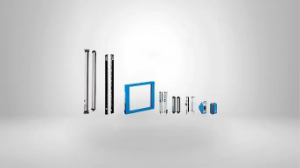
Automation light grids are a sophisticated technology that enhances industrial processes by providing precise detection and measurement capabilities across a defined area. Consisting of multiple light beams, these grids detect the interruption or presence of objects in real-time. Used in various applications, such as conveyor systems, access control, and robotic safety, automation light grids improve safety, accuracy, and efficiency. Their ability to detect even small objects or irregular shapes makes them invaluable in optimizing material handling and automation workflows. By quickly identifying potential hazards and ensuring precise positioning, these light grids contribute significantly to streamlined operations, reduced downtime, and enhanced overall productivity, making them a cornerstone of modern industrial automation.
Related categories: Automation & Robotics Sensors | Ultrasonic Sensors | Temperature Sensors | RFID | Sensor Accessories

Sensor accessories help sensors install correctly and work reliably. Brackets, reflectors, protective housings and cables are essential to a solid installation.
Accessories Available
- Mounting brackets – secure positioning
- Reflectors – retroreflective photoelectric sensors
- Protective covers – impact and weld spatter
- Cables and connectors – quick-disconnect wiring
- Alignment tools – faster setup
Choosing Accessories
Match accessories to sensor model and size. Protective housings extend sensor life in harsh areas.
Centro supplies sensor accessories.
Related categories: Automation & Robotics Sensors | Temperature Sensors | Condition Monitoring | Automation Light Grids | Pressure Sensors
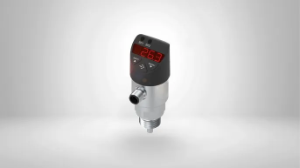
Temperature sensors in automation monitor machine, fluid and process temperatures. They protect motors, hydraulics and products from overheating.
Sensor Types
- RTD and thermocouple probes – direct measurement
- Electronic temperature switches – displays and set points
- IO-Link temperature sensors – digital integration
- Infrared sensors – non-contact measurement
Choosing a Sensor
Select range, probe length, connection and output. Compact sensors with displays simplify machine monitoring.
Centro supplies temperature sensors for automation.
Related categories: Automation & Robotics Sensors | Automation Light Grids | Sensor Accessories | Ultrasonic Sensors | Condition Monitoring

Magnetic cylinder sensors mount directly on a pneumatic cylinder and detect the magnet built into its piston. They confirm when a cylinder is fully extended, retracted or at a mid-stroke position, which gives your PLC dependable feedback without adding external limit switches or brackets.
Sensor Styles
- T-slot sensors – drop into the profile groove of most modern ISO cylinders
- C-slot sensors – for compact and short-stroke cylinders
- Tie-rod and band-mount sensors – with adapters for NFPA and round-body cylinders
- Analog position sensors – continuous piston position over a measuring range
- Weld-field immune sensors – resist false triggering near resistance welders
Choosing a Sensor
Confirm the cylinder's slot type, then choose an electronic (PNP or NPN) or reed switch output that suits your controller. Electronic sensors last longer and switch faster, while reed switches work well for simple, low-current circuits. Pick a cable or quick-disconnect connector based on how often you'll need to replace or move the sensor.
Centro carries magnetic cylinder sensors and mounting adapters to fit most major cylinder brands. Ask us if you're not sure which one fits.
Related categories: Automation & Robotics Sensors | Photoelectric Sensors | Inclination Sensors | Sensor Adapters | Sensor Cables
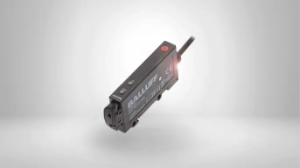
Fiber optic sensors use flexible fiber cables to carry light to and from a remote amplifier. The tiny sensing heads fit into tight spaces, detect very small parts and tolerate high heat or electrical noise.
Fiber Optic Sensor Components
- Fiber amplifiers – adjustable sensitivity and digital displays
- Through-beam fibers – longest range and smallest object detection
- Diffuse fibers – single-sided detection in tight spaces
- High-temperature and flexible fibers – harsh conditions and moving parts
- Lenses and accessories – extend range and focus spots
Choosing Components
Select fiber type and head size for the target and available space, then pair it with an amplifier that offers the response speed and outputs you need. Avoid tight bends in the fiber to keep signal strength.
Centro carries fiber optic sensors and amplifiers for precision detection.
Related categories: Automation & Robotics Sensors | Level Sensors | Detection and Ranging Sensors | Proximity Sensors | Sensor Connectors

Sensor connectors provide secure, quick-disconnect connections for sensors and actuators. They let you replace a sensor in seconds without rewiring and keep moisture and dirt out of connections.
Connector Types
- M8 and M12 field-wireable connectors – custom cable lengths
- 7/8" connectors – higher power for distribution
- Panel-mount receptacles – bulkhead connections
- Distribution boxes – multiple sensors to one home-run cable
- Protective caps – seal unused ports
Choosing Connectors
Match the connector's thread, pin count and coding to your devices, and check the IP rating for washdown or outdoor areas. Field-wireable connectors suit custom lengths, while molded cordsets give the best sealing.
Centro carries sensor connectors and distribution systems for automation wiring.
Related categories: Automation & Robotics Sensors | Detection and Ranging Sensors | Sensor Cables | Fiber Optic Sensors | Sensor Adapters
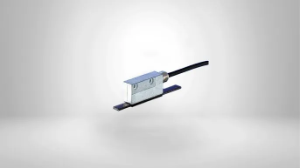
Motor feedback sensors report motor shaft position and speed to drives and controllers. Accurate feedback is essential for servo control, positioning and speed regulation.
Feedback Device Types
- Incremental encoders – speed and relative position
- Absolute encoders – position retained without power
- Resolvers – rugged feedback for harsh environments
- Hollow shaft encoders – easy motor mounting
- Digital interfaces – HIPERFACE, EnDat and BiSS
Choosing Feedback
Match the interface to your drive, then select resolution and mechanical fit. Resolvers suit high temperatures and vibration, while encoders give high accuracy.
Centro supplies motor feedback sensors for servo and drive systems.
Related categories: Automation & Robotics Sensors | Luminescence Scanner | Encoders | Capacitive Sensors | Distance Sensors
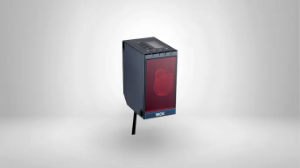
Distance sensors measure how far away an object is and send a continuous signal for positioning, thickness measurement, level, sag control and collision avoidance.
Distance Sensor Types
- Laser triangulation sensors – high precision at short ranges
- Time-of-flight laser sensors – long range with good accuracy
- Ultrasonic distance sensors – clear, shiny and dark targets
- Inductive analog sensors – precise short-range metal measurement
- Radar distance sensors – outdoor and dirty environments
Choosing a Sensor
Define the measuring range, resolution, response time and target surface. Choose analog (4-20 mA, 0-10 V), IO-Link or switching outputs for your controller. Shiny and dark surfaces may need specific laser technologies.
Centro supplies distance sensors for measurement and positioning in automation.
Related categories: Automation & Robotics Sensors | Encoders | Detection and Range Solution Sensors | Motor Feedback Sensors | Color Sensors
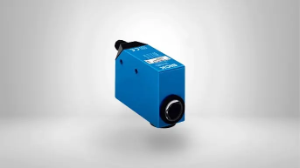
A contrast sensor tailored for automation is a versatile technology that elevates industrial processes by precisely detecting differences in color or contrast between objects. Employed in diverse applications, this sensor enables automation systems to accurately identify objects, monitor production lines, and facilitate quality control. The contrast sensor's advanced optical capabilities ensure consistent and reliable differentiation even in challenging environments. Packaging, automotive, and electronics industries benefit from improved process efficiency, reduced errors, and enhanced product quality. The contrast sensor's integration into automation workflows enhances productivity by providing real-time feedback and enabling rapid adjustments. By harnessing this technology, industries can achieve heightened automation accuracy and streamline operations for a more efficient future.
Related categories: Automation & Robotics Sensors | Flow Sensors | Fork Sensors | Pressure Sensors | Capacitive Sensors
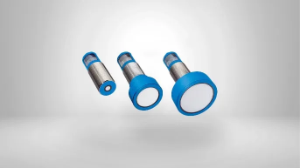
Ultrasonic sensors use sound waves to detect objects and measure distance. They work well with clear, shiny, dark and irregular targets that challenge optical sensors.
Features
- Target-independent sensing – color and transparency don't matter
- Distance measurement – analog outputs
- Level detection – liquids and bulk materials
- Dust and dirt tolerant – harsh environments
- Teach-in setup – quick configuration
Choosing a Sensor
Select range, beam angle, output and housing. Watch for blind zones close to the sensor.
Centro supplies ultrasonic sensors for automation.
Related categories: Automation & Robotics Sensors | RFID | Automation Light Grids | Inductive Sensors | Temperature Sensors
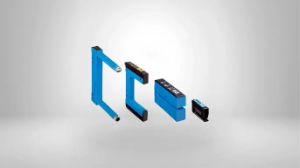
Fork sensors, also called slot sensors, combine emitter and receiver in one U-shaped housing. They detect labels, small parts, edges and holes passing through the slot, with no alignment required.
Fork Sensor Types
- Optical fork sensors – part and edge detection
- Label sensors – detect labels on backing
- Ultrasonic fork sensors – clear labels
- Various slot widths – suit product sizes
Choosing a Sensor
Select slot width and depth for your product, along with response time and light type. Teach-in functions simplify setup.
Centro supplies fork sensors for labeling and part detection.
Related categories: Automation & Robotics Sensors | Contrast Sensor | Capacitive Sensors | Flow Sensors | Luminescence Scanner

Encoders convert rotary or linear motion into electrical signals that report position, speed and direction. They give the feedback that motors, conveyors, cut-to-length lines and positioning systems need for accurate control.
Encoder Types
- Incremental encoders – speed and relative position
- Absolute encoders – keep position through power loss
- Hollow and solid shaft encoders – suit mounting needs
- Measuring wheel encoders – length measurement on conveyors
- Draw wire encoders – long linear distances
Choosing an Encoder
Select resolution (pulses per revolution or bits), output type (TTL, HTL, SSI, fieldbus) and mechanical fit. Heavy-duty and stainless encoders handle shock and washdown. Match the interface to your drive or PLC.
Centro carries encoders for motion feedback and measurement.
Related categories: Automation & Robotics Sensors | Motor Feedback Sensors | Distance Sensors | Luminescence Scanner | Detection and Range Solution Sensors
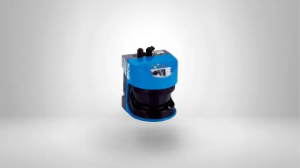
Detection and ranging sensors such as LiDAR, radar and time-of-flight devices measure distance and detect objects over longer ranges and in tough conditions. They're used for collision avoidance, positioning, level measurement and vehicle detection.
Sensor Technologies
- LiDAR sensors – 2D and 3D scanning for mapping and detection
- Radar sensors – reliable in dust, rain, fog and darkness
- Time-of-flight laser sensors – precise long-range distance
- Ultrasonic ranging sensors – economical object detection
Choosing a Sensor
Consider range, accuracy, field of view, target type and environment. Radar handles dirty outdoor conditions, and LiDAR gives detailed spatial data. Check outputs and integration options with your controller.
Centro supplies detection and ranging sensors for industrial and mobile equipment.
Related categories: Automation & Robotics Sensors | Fiber Optic Sensors | Sensor Connectors | Level Sensors | Sensor Cables

Sensor adapters connect sensors with different connector types, sizes or wiring standards. They make it easy to mix brands, convert connector styles and add functions without rewiring.
Adapter Types
- Connector adapters – M8 to M12 and other conversions
- Y-splitters and T-adapters – combine or split signals
- Signal converters – PNP/NPN and analog conversions
- IO-Link adapters – bring standard sensors onto IO-Link
- Mounting adapters – fit sensors into different holes and brackets
Choosing an Adapter
Confirm connector types, pin assignments and signal types on both sides. Splitters must handle the combined current. Use shielded adapters in noisy electrical environments.
Centro carries sensor adapters to simplify automation wiring.
Related categories: Automation & Robotics Sensors | Sensor Cables | Inclination Sensors | Sensor Connectors | Photoelectric Sensors
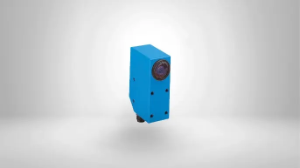
A luminescence scanner designed for automation is a cutting-edge technology that revolutionizes industrial processes through rapid and accurate material analysis. By detecting luminescent signals emitted by substances, this scanner enables non-invasive identification, quantification, and quality control of materials. In automation, it finds application in diverse sectors like pharmaceuticals, food, and electronics. The luminescence scanner enhances efficiency by swiftly assessing material characteristics, ensuring product integrity, and streamlining quality assurance. With its advanced capabilities, this technology empowers industries to elevate their automation processes, enhance product quality, and ensure compliance with rigorous standards, marking a significant step toward a more sophisticated and reliable automated future.
Related categories: Automation & Robotics Sensors | Capacitive Sensors | Motor Feedback Sensors | Fork Sensors | Encoders
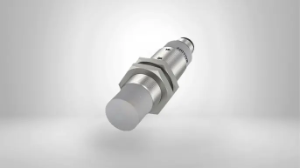
Capacitive sensors detect non-metallic materials such as plastic, wood, glass, liquids and powders. They can even sense through container walls, which makes them useful for level detection and part presence.
Features
- Detect almost any material – metals and non-metals
- Adjustable sensitivity – tune out containers or backgrounds
- Level detection – sense through plastic and glass tanks
- Flush and non-flush mounting – application flexibility
- IO-Link options – diagnostics and remote setup
Choosing a Sensor
Select housing size, sensing range and output, and adjust sensitivity for your material. Moisture and buildup can affect readings, so consider placement carefully.
Centro supplies capacitive sensors for automation and level detection.
Related categories: Automation & Robotics Sensors | Fork Sensors | Luminescence Scanner | Contrast Sensor | Motor Feedback Sensors
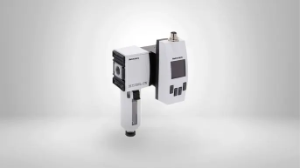
Flow sensors in automation monitor coolant, lubricant, water and air flow on machines. They protect spindles, welders, lasers and hydraulic systems from damage caused by lost flow.
Sensor Types
- Thermal flow sensors – no moving parts
- Vortex flow sensors – water and coolant
- Magnetic inductive sensors – conductive liquids
- Compressed air flow sensors – leak detection
Choosing a Sensor
Select by media, flow range, output and connection. IO-Link sensors provide flow and temperature data.
Centro supplies flow sensors for machine monitoring.
Related categories: Automation & Robotics Sensors | Pressure Sensors | Contrast Sensor | Condition Monitoring | Fork Sensors

RFID readers capture data from RFID tags without line of sight. They automate tracking of parts, tools, pallets and assets in manufacturing and logistics.
RFID Reader Types
- LF and HF readers – short-range industrial identification
- UHF readers – longer range and bulk reading
- Read/write heads – update tag data on the fly
- Fieldbus-integrated readers – PLC connectivity
Choosing a Reader
Select frequency, range and interface for your application. Metal environments may need special tags and antennas.
Centro supplies RFID readers for industrial identification.
Related categories: RFID | RFID Transponders
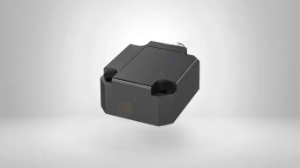
Inclination sensors, also called tilt sensors or inclinometers, measure angle relative to gravity. They're used to level platforms, monitor boom and crane angles, position solar trackers and protect mobile machinery from tipping.
Inclination Sensor Types
- Single-axis sensors – measure tilt in one direction
- Dual-axis sensors – monitor pitch and roll together
- Analog output models – 4-20 mA or 0-10 V for continuous angle
- CANopen and IO-Link models – digital integration with mobile and factory controls
- Switching models – trigger an output at a set angle
Choosing a Sensor
Define the measuring range, accuracy and resolution, then check the vibration, shock and environmental ratings, particularly for outdoor or mobile equipment. Some sensors include dynamic compensation to filter out vibration. Choose the output to match your controller.
Centro carries inclination sensors for industrial, mobile and renewable energy applications.
Related categories: Automation & Robotics Sensors | Sensor Adapters | Photoelectric Sensors | Sensor Cables | Magnetic Cylinder Sensors

RFID transponders (tags) store data that RFID readers can read and write without line of sight. They identify parts, carriers, tools and pallets throughout production.
Transponder Types
- LF and HF tags – short-range industrial ID
- UHF tags – longer range
- On-metal tags – mount directly on metal
- High-temperature tags – paint and heat processes
- Read-only and read/write – data needs
Choosing Tags
Match frequency to readers, and select size, memory and mounting for your application.
Centro supplies RFID transponders for industrial tracking.
Related categories: RFID | RFID Readers
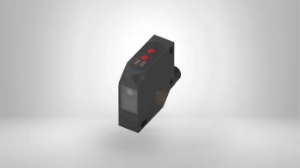
Color sensors designed for automation are sophisticated tools that enhance industrial processes by precisely detecting and differentiating colors. These sensors utilize advanced optical technology to accurately identify colors and shades, enabling automation systems to sort, inspect, and ensure quality control. Widely used in industries such as food, textiles, and automotive, color sensors contribute to consistent product quality, reduced waste, and streamlined production. Their ability to discern even subtle color variations makes them invaluable in maintaining standards and detecting defects. By integrating color sensors into automation workflows, industries can achieve enhanced accuracy, reduced errors, and improved overall efficiency, making them a vital asset in modern manufacturing environments.
Related categories: Automation & Robotics Sensors | Detection and Range Solution Sensors | Proximity Sensors | Distance Sensors | Level Sensors

$855.49
Subject to factory lead times
$874.30
Subject to factory lead times
$874.30
Subject to factory lead times
$1,042.62
Subject to factory lead times
$1,042.62
Subject to factory lead times
$807.96
Subject to factory lead times
$318.84
Subject to factory lead times
$874.30
Subject to factory lead times
$961.43
Subject to factory lead times
$21.79
Subject to factory lead times
$602.01
Subject to factory lead times
$422.80
Subject to factory lead times
$807.96
Subject to factory lead times

$1,483.94
Subject to factory lead times

$273.63
Subject to factory lead times
$874.30
Subject to factory lead times
$526.76
Subject to factory lead times
$416.85
Subject to factory lead times
$426.76
Subject to factory lead times
$416.85
Subject to factory lead times
$426.76
Subject to factory lead times
$416.85
Subject to factory lead times
$416.85
Subject to factory lead times
$426.76
Subject to factory lead times
$855.49
Subject to factory lead times
$874.30
Subject to factory lead times
$874.30
Subject to factory lead times
$1,042.62
Subject to factory lead times
$1,042.62
Subject to factory lead times
$807.96
Subject to factory lead times
$318.84
Subject to factory lead times
$874.30
Subject to factory lead times
$961.43
Subject to factory lead times
$21.79
Subject to factory lead times
$602.01
Subject to factory lead times
$422.80
Subject to factory lead times
$807.96
Subject to factory lead times
$1,483.94
Subject to factory lead times
$273.63
Subject to factory lead times
$874.30
Subject to factory lead times
$526.76
Subject to factory lead times
$416.85
Subject to factory lead times
$426.76
Subject to factory lead times
$416.85
Subject to factory lead times
$426.76
Subject to factory lead times
$416.85
Subject to factory lead times
$416.85
Subject to factory lead times
$426.76
Subject to factory lead times
- Choosing the right industrial sensor starts with identifying what you need to detect and the conditions the sensor will operate in. For detecting metal objects at close range in harsh environments, inductive proximity sensors are the most reliable choice — they use an electromagnetic field and are resistant to dirt and contamination. For non-metallic materials like plastics, liquids, or powders, capacitive sensors detect changes in capacitance and can even sense through container walls. For longer-range detection of virtually any material, photoelectric sensors use light beams and are available in through-beam, retroreflective, and diffuse configurations. For distance and level measurement, ultrasonic sensors use sound waves while laser sensors offer high-precision alternatives. Magnetic cylinder sensors detect piston position inside pneumatic cylinders and are standard in pneumatic automation. Encoders measure rotational position and speed for motion control feedback. Pressure sensors, temperature sensors, flow sensors, and color and contrast sensors round out the range for specialized measurement tasks. Always match the sensor's IP rating and housing material to your environment, and verify that the output type (PNP, NPN, analog, or IO-Link) is compatible with your PLC or controller.
- These three sensor types cover the majority of object detection applications in automation, each with distinct operating principles and strengths. Inductive proximity sensors detect metal objects only, using an electromagnetic field — they are extremely reliable, resistant to dirt and contamination, and ideal for detecting machine parts, cylinders, and metal targets in harsh conditions. Capacitive sensors detect changes in capacitance and can sense both metallic and non-metallic materials — plastics, wood, liquids, powders, and granular materials — making them the go-to choice for level sensing through container walls and detecting non-metal objects. Photoelectric sensors emit and detect a light beam (visible red, infrared, or laser) and can detect virtually any material at longer sensing distances — from millimeters to tens of meters. They are available in through-beam (highest range and reliability), retroreflective (uses a reflector), and diffuse (detects light reflected from the object) configurations. The right choice depends on the target material, sensing range, and environmental conditions.
- A magnetic cylinder sensor is a compact sensor designed to detect the position of a piston inside a pneumatic cylinder without physical contact. Most modern pneumatic cylinders have a permanent magnet embedded in the piston. The magnetic cylinder sensor mounts externally on the cylinder barrel — typically in a T-slot or C-slot groove machined into the extrusion — and detects the magnet's field as the piston reaches that position, sending a discrete signal to the PLC confirming the cylinder has reached its end-of-stroke or a specific intermediate position. These sensors are ubiquitous in pneumatic automation — virtually every cylinder in a machine has at least two (one for extended, one for retracted) to confirm position before the PLC advances to the next step in the sequence. They are available with Reed switch, GMR (Giant Magneto-Resistive), or Hall-effect sensing elements.
- Encoders are sensors that measure the rotational position, speed, and direction of a shaft — converting mechanical motion into electrical signals that a PLC, drive, or controller uses for feedback and control. Incremental encoders generate pulses as the shaft rotates — the controller counts pulses to determine relative position and calculates speed from pulse frequency. They require a home or reference point to establish absolute position. Absolute encoders output a unique digital code for every angular position, providing immediate position knowledge at power-up without a reference run. Encoders are used in motion control systems (servo motor feedback), conveyor speed and position tracking (for product spacing and divert timing), winding and unwinding applications (web tension control), and any application where knowing the exact rotational position or speed of a shaft is required for process control.
- Start with four fundamental questions: What am I detecting? (metal, plastic, liquid, any material), At what distance? (millimeters, centimeters, or meters), In what environment? (clean, dusty, wet, high-temperature, washdown), and What output do I need? (discrete on/off, analog distance measurement, digital communication like IO-Link). For metal detection at short range in harsh conditions, inductive sensors are the first choice. For non-metal or liquid detection, capacitive sensors excel. For long-range detection or where the target material varies, photoelectric sensors offer the most versatility. For distance measurement, ultrasonic or laser sensors provide continuous analog output proportional to distance. Always match the sensor's IP rating and housing material to the environment, and verify that the output type (PNP, NPN, analog 4-20mA, IO-Link) is compatible with your PLC or controller input.