
Washdown Systems - Strahman
At Centro, we offer a full range of washdown systems designed to keep your facility clean and compliant. Whether you’re in food processing, manufacturing, or any industry that requires strict sanitation, we have the equipment to get the job done.
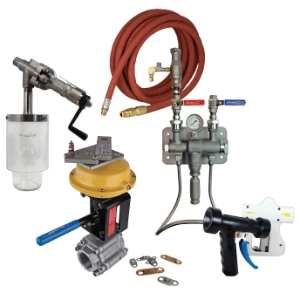
Our selection includes high-pressure hoses, nozzles, pumps, compact foamers, and sanitizing stations—everything you need to tackle tough grease, grime, and contaminants. A well-designed washdown system not only makes cleaning more efficient but also helps prevent the spread of bacteria and other pathogens.
Not sure what you need? Our experts are here to help you choose the right equipment for your operation. Plus, with our easy-to-navigate online store, you can find and order everything in one place.
Browse our selection today and upgrade your washdown process with the best solutions available.
$332.00
Subject to factory lead times
$332.00
Subject to factory lead times
$332.00
Subject to factory lead times
$332.00
Subject to factory lead times
$332.00
Subject to factory lead times
$332.00
Subject to factory lead times
$297.00
Subject to factory lead times
$2,410.00
Subject to factory lead times
$37.00
Subject to factory lead times
$117.00
Subject to factory lead times
$72.00
Subject to factory lead times
$37.00
Subject to factory lead times
$332.00
Subject to factory lead times
$332.00
Subject to factory lead times
$332.00
Subject to factory lead times
$332.00
Subject to factory lead times
$332.00
Subject to factory lead times
$332.00
Subject to factory lead times
$297.00
Subject to factory lead times
$2,410.00
Subject to factory lead times
$37.00
Subject to factory lead times
$117.00
Subject to factory lead times
$72.00
Subject to factory lead times
$37.00
Subject to factory lead times
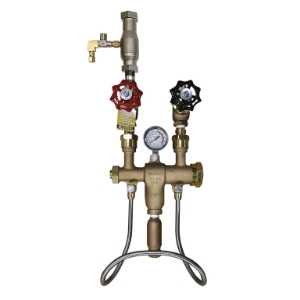
- An industrial washdown system delivers controlled, tempered water at a consistent pressure and temperature for cleaning equipment, floors, work areas, and process surfaces in manufacturing and food processing environments. Unlike a simple hose connection, a washdown system uses a thermostatic mixing valve or a self-actuating temperature control valve to blend hot and cold water to a precise, safe temperature — typically between 110°F and 140°F depending on the application and sanitation requirements. The system then distributes the tempered water through a piping network to washdown stations positioned throughout the facility. Each station typically includes a hose, spray nozzle, and shutoff valve. Proper washdown systems improve cleaning effectiveness (hot water dissolves fats, oils, and biological residue far more effectively than cold water), protect workers from scalding by controlling the maximum water temperature, reduce water and energy consumption compared to uncontrolled mixing, and help facilities meet sanitation standards required by USDA, FDA, and third-party food safety audits.
- Temperature control is critical in washdown systems for three reasons: cleaning effectiveness, worker safety, and regulatory compliance. From a cleaning standpoint, water temperature directly impacts the ability to remove fats, oils, proteins, and biological residues from equipment and surfaces — water that is too cold leaves residue behind, while water that is too hot can actually cook proteins onto surfaces, making them harder to remove. Most sanitation protocols specify an optimal cleaning temperature range (often 110°F to 140°F) that maximizes cleaning performance. From a safety standpoint, water above 140°F poses a serious scalding risk to workers — a reliable temperature control valve ensures the washdown water never exceeds a safe maximum temperature, even if the hot water supply pressure or temperature fluctuates. From a compliance standpoint, food processing facilities must demonstrate consistent, documented sanitation practices to meet USDA, FDA, FSMA, and third-party audit requirements. A properly designed washdown system with accurate temperature control provides the consistency and repeatability that auditors require.
- A thermostatic mixing valve (TMV) automatically blends hot and cold water to deliver a stable outlet temperature at a user-defined setpoint. Inside the valve, a thermostatic element (typically a wax-filled cartridge or a bimetallic element) expands and contracts in response to the outlet water temperature, continuously adjusting the ratio of hot to cold water to maintain the setpoint. If the hot water supply temperature rises, the element shifts to admit more cold water; if cold water pressure drops, the element compensates to prevent a dangerous temperature spike. In washdown systems, the TMV is installed at a central point where hot and cold water supplies are available, and the tempered water is then distributed to washdown stations. Self-actuating thermostatic valves require no external power or control signal — they respond directly to the water temperature, making them highly reliable and simple to maintain. This self-operating design is particularly valuable in washdown applications where the system must respond instantly to supply fluctuations without relying on electronic controls.
- Industrial washdown systems are required in any facility where regular cleaning and sanitation of equipment, floors, and work areas is essential for product quality, food safety, regulatory compliance, or worker health. Food and beverage processing is the primary market — meat, poultry, dairy, bakery, beverage, and prepared food plants must wash down production areas between shifts or product changeovers to prevent contamination and meet USDA and FDA sanitation requirements. Pharmaceutical manufacturing requires validated cleaning procedures with controlled water temperatures. Brewery and winery operations need consistent hot water for cleaning fermentation vessels, piping, and packaging lines. Chemical processing plants use washdown systems for equipment decontamination and spill cleanup. Cold storage and distribution facilities wash floors and loading docks to maintain hygiene standards. Agricultural operations, including greenhouses and livestock facilities, use tempered water washdown for animal welfare and sanitation. Any facility subject to HACCP, FSMA, SQF, BRC, or similar food safety audits benefits from a documented, temperature-controlled washdown system.
- Designing an effective washdown system starts with understanding the facility's cleaning requirements, water supply conditions, and layout. First, determine the required water temperature and flow rate at each washdown station — this depends on the type of soil being cleaned (fats and proteins typically require 130°F to 140°F), the cleaning chemical manufacturer's recommendations, and the number of stations that may operate simultaneously. Second, evaluate the available hot and cold water supply pressures and temperatures to properly size the thermostatic mixing valve or temperature control valve. Third, lay out the distribution piping from the mixing valve to each washdown station, sizing the pipe to maintain adequate pressure and flow at the most remote station when multiple stations are in use. Fourth, select the appropriate materials — stainless steel piping and fittings for corrosion resistance, food-safe hoses, and spray nozzles rated for the required pressure and temperature. Fifth, include isolation valves at each station for maintenance access and consider a recirculation loop to prevent the piping from cooling down between uses, which wastes water and time while operators wait for hot water to reach the hose. Finally, verify that the system design meets the applicable sanitation standards for your industry.