
Temperature Measurement, Instrumentation and Control
We carry a complete selection of temperature measurement, instrumentation, and control devices to suit any industrial or commercial application. For various reasons, temperature measurement, instrumentation, and Co...
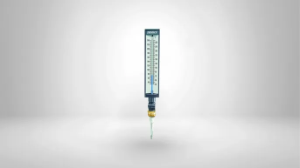
Thermometers give simple, reliable local temperature readings in pipes, tanks, boilers and HVAC systems. They work without power, so they're a dependable backup to electronic sensors.
Thermometer Types
- Bi-metal thermometers – rugged dial thermometers
- Industrial thermometers – glass and digital models
- Adjustable angle thermometers – easy viewing
- Thermowells – protect stems and allow removal
Choosing a Thermometer
Select range, stem length, dial size and connection. Use thermowells in pressurized systems. Choose stainless construction for harsh environments.
Centro supplies thermometers and thermowells for industrial and HVAC use.
Shop by type: Bi-Metal Thermometers | Industrial Thermometers
Related categories: Temperature Measurement, Instrumentation and Control | Thermocouples and RTDs | Temperature Accessories | Temperature Switches | Heat Exchangers
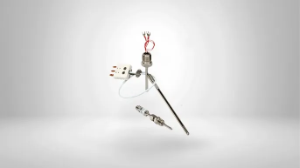
Thermocouples and RTDs are the most common temperature sensors in industrial processes. They provide accurate readings for control systems, recorders and safety interlocks.
Sensor Types
- Thermocouples – types J, K, T, E, N, R and S for wide temperature ranges
- RTDs – Pt100 and Pt1000 for high accuracy
- Mineral insulated sensors – rugged and bendable
- Head-mount assemblies – with transmitters and terminal blocks
- Surface and probe sensors – specialized mounting
Choosing a Sensor
Thermocouples handle higher temperatures, while RTDs offer better accuracy and stability. Specify sheath material, length, diameter and connection. Use matching extension wire.
Centro supplies thermocouples and RTDs for temperature measurement.
Related categories: Temperature Measurement, Instrumentation and Control | Temperature Switches | Thermometers | Temperature Controllers | Temperature Accessories
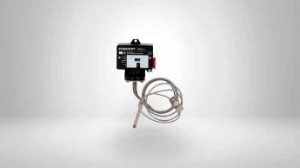
Temperature switches open or close a contact at a set temperature to start fans, stop heaters, trigger alarms or shut down equipment. They're simple, dependable temperature protection.
Switch Types
- Mechanical switches – bulb and capillary or bimetal
- Electronic switches – adjustable set points and displays
- Limit switches – high-limit safety shutoff
- Explosion-proof switches – hazardous areas
Choosing a Switch
Select range, deadband, contact rating and sensor style. Use thermowells for pressurized systems. Manual-reset limits add safety.
Centro supplies temperature switches for equipment protection and control.
Related categories: Temperature Measurement, Instrumentation and Control | Temperature Controllers | Thermocouples and RTDs | Temperature Recording | Thermometers
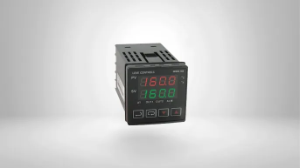
Temperature controllers are devices used to maintain and regulate precise temperatures in different processes and environments. Temperature controllers monitor the temperature of a system and compare it to a set point, making necessary adjustments by activating heating or cooling mechanisms to achieve the desired temperature. They are widely used in applications such as manufacturing, HVAC systems, food processing, and laboratory environments. Temperature Controllers help improve product quality, enhance energy efficiency, and reduce operational costs. Modern temperature controllers often come with advanced features like digital displays, programmable settings, and remote monitoring capabilities, making them versatile and user-friendly tools for maintaining optimal temperature conditions.Not sure which input, output or panel size you need? Our team can match a temperature controller to your sensor, heater and control requirements.
Related categories: Temperature Measurement, Instrumentation and Control | Temperature Recording | Temperature Switches | Temperature Transmitters | Thermocouples and RTDs
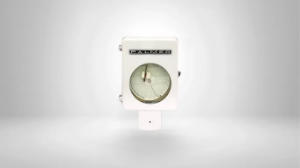
Temperature recording products document temperatures over time for quality, compliance and troubleshooting. They're essential in food safety, pharmaceuticals, cold storage and heat treating.
Recording Options
- Paperless recorders – multi-channel digital records
- Chart recorders – circular and strip charts
- Data loggers – portable and wireless recording
- Software – reporting and compliance documentation
Choosing a Recorder
Consider the number of points, sample rate, data storage and regulatory needs. Wireless loggers simplify monitoring across multiple rooms or sites.
Centro supplies temperature recording products for compliance and monitoring.
Related categories: Temperature Measurement, Instrumentation and Control | Temperature Transmitters | Temperature Controllers | Thermowells | Temperature Switches
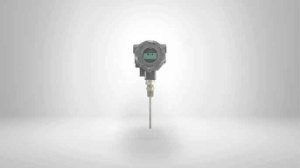
Temperature transmitters convert thermocouple and RTD signals into a stable 4-20 mA or digital output. That makes temperature readings more accurate and less prone to noise over long cable runs.
Transmitter Types
- Head-mount transmitters – install in sensor connection heads
- DIN rail transmitters – panel mounting
- Field-mount transmitters – with displays and enclosures
- HART and smart transmitters – diagnostics and remote configuration
- Isolated transmitters – prevent ground loops
Choosing a Transmitter
Match the input type (thermocouple or RTD), range and output. Consider accuracy, isolation and hazardous area approvals. Integrated sensor-transmitter assemblies simplify ordering.
Centro supplies temperature transmitters and assemblies for process measurement.
Related categories: Temperature Measurement, Instrumentation and Control | Thermowells | Temperature Recording | Temperature Regulators | Temperature Controllers

Temperature accessories help your sensors and instruments read accurately and last longer. Thermowells, fittings, connection heads and extension wire protect sensors from the process and make installation and replacement simpler.
Accessories Available
- Thermowells – threaded, socket weld and flanged wells protect sensors from pressure and flow
- Compression fittings – adjustable sensor insertion depth
- Connection heads – house terminal blocks and head-mount transmitters
- Thermocouple and RTD extension wire – carry signals back to the controller
- Connectors and plugs – quick disconnects for sensors
Choosing Accessories
Select thermowell material and length for the process, with the tip in the flow, and check the wake frequency calculation for high-velocity lines. Use extension wire that matches the thermocouple type to avoid reading errors. Head and enclosure ratings should match the environment.
Centro carries temperature accessories to complete your sensor installations.
Related categories: Temperature Measurement, Instrumentation and Control | Thermometers | Heat Exchangers | Thermocouples and RTDs | Temperature Switches
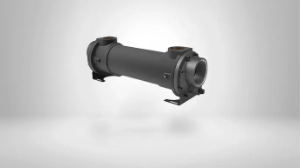
Heat exchangers transfer heat between two fluids without mixing them. They heat process liquids, cool oils and hydraulic systems, recover waste heat and condense steam, and they're used in nearly every process and HVAC industry.
Heat Exchanger Types
- Shell and tube – rugged, high pressure and easy to clean
- Brazed plate – compact and highly efficient for clean fluids
- Gasketed plate and frame – expandable and easy to service
- Double-wall and sanitary exchangers – for potable water and food processing
- Air-cooled exchangers – reject heat without cooling water
Sizing Information
To size a heat exchanger, you'll need both fluids, their flow rates, inlet and outlet temperatures, allowable pressure drop and operating pressure. Fouling fluids may call for shell and tube or wide-gap plates. Material choices include stainless, copper, titanium and nickel alloys.
Centro can help you size and select a heat exchanger matched to your process conditions.
Related categories: Temperature Measurement, Instrumentation and Control | Temperature Accessories | Thermometers | Thermocouples and RTDs | Temperature Switches
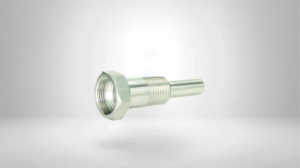
Thermowells protect temperature sensors from pressure, flow, corrosion and abrasion. They also let you remove sensors for replacement or calibration without draining or shutting down the process.
Thermowell Types
- Threaded thermowells – common for general service
- Socket weld and weld-in – high-pressure installations
- Flanged thermowells – easy removal and corrosive service
- Sanitary thermowells – tri-clamp for food and pharma
- Tapered and stepped stems – strength and fast response
Choosing a Thermowell
Select material, insertion length, bore size and connection. For high-velocity flows, perform a wake frequency calculation to avoid stem failure.
Centro supplies thermowells for temperature sensors and thermometers.
Related categories: Temperature Measurement, Instrumentation and Control | Temperature Regulators | Temperature Transmitters | Temperature Sensors | Temperature Recording
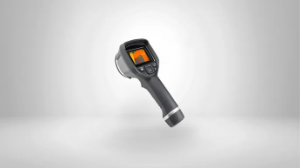
Temperature sensors measure heat in processes, equipment and buildings. They're the most common measurement in industry and are critical for quality, safety and efficiency.
Temperature Sensor Types
- Thermocouples – wide ranges and fast response
- RTDs – high accuracy and stability
- Thermistors – sensitive, low-cost sensing
- Infrared sensors – non-contact measurement
- Surface and immersion probes – suit installation
Choosing a Sensor
Select by range, accuracy, response time and installation. Use thermowells in pressurized lines, and match extension wire for thermocouples.
Centro supplies temperature sensors and assemblies.
Related categories: Temperature Measurement, Instrumentation and Control | Temperature Regulators | Thermowells | Temperature Transmitters | Temperature Recording
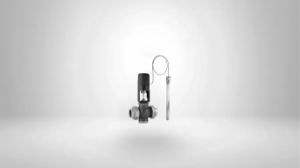
Temperature regulators control temperature without external power. A thermal sensor directly moves a valve to hold set point in steam, water and heat transfer systems.
Applications
- Water heaters and heat exchangers – steady outlet temperature
- Process tanks – heating control
- Cooling water – engine and compressor cooling
- HVAC systems – simple temperature control
Choosing a Regulator
Select by temperature range, valve size, flow and media (steam, water or oil). Capillary length must reach from sensor to valve. Self-acting regulators are dependable where power isn't available.
Centro supplies temperature regulators for steam and water systems.
Related categories: Temperature Measurement, Instrumentation and Control | Temperature Sensors | Thermowells | Temperature Transmitters | Temperature Recording

$745.67
Subject to factory lead times
$896.48
Subject to factory lead times
$785.84
Subject to factory lead times
$763.77
Subject to factory lead times
$846.55
Subject to factory lead times
$735.91
Subject to factory lead times
$735.91
Subject to factory lead times
$734.14
Subject to factory lead times
$713.84
Subject to factory lead times
$795.30
Subject to factory lead times
$835.47
Subject to factory lead times
$835.47
Subject to factory lead times
$835.47
Subject to factory lead times
$797.24
Subject to factory lead times
$963.80
Subject to factory lead times
$905.44
Subject to factory lead times
$897.39
Subject to factory lead times
$897.39
Subject to factory lead times
$1,048.20
Subject to factory lead times
$937.56
Subject to factory lead times
$998.27
Subject to factory lead times
$934.58
Subject to factory lead times
$731.74
Subject to factory lead times
$932.83
Subject to factory lead times
- Industrial temperature measurement uses sensors inserted into or mounted on the process to convert thermal energy into a readable signal. The most common sensor types are thermocouples (two dissimilar metal wires joined at a tip that generate a small voltage proportional to temperature — rugged, inexpensive, and covering the widest range from cryogenic to over 3,000°F), RTDs (Resistance Temperature Detectors — a platinum element whose resistance changes predictably with temperature, offering higher accuracy and stability than thermocouples but at a higher cost and a narrower range up to ~1,200°F), and bimetal thermometers (a mechanical dial indicator using a coiled bimetallic strip — no power required, used for local visual indication). For non-contact measurement, infrared pyrometers measure emitted thermal radiation and are used where sensors cannot physically touch the target. The sensor output is typically sent through a temperature transmitter that converts it to a standard 4–20 mA signal for the PLC or DCS.
- Thermocouples and RTDs are both sensors that measure temperature, but they work differently and have distinct strengths. A thermocouple generates a millivolt signal based on the temperature difference between its measuring junction and the reference junction — it is self-powered, very rugged, responds quickly, and covers an extremely wide temperature range (some types reach 3,200°F+). However, thermocouple accuracy is typically ±1–2°C and the signal can drift over time. An RTD uses a precision platinum element whose electrical resistance increases linearly with temperature — it provides much better accuracy (±0.1–0.5°C), excellent long-term stability, and a more linear signal, but it costs more, is more fragile, requires an excitation current, and is limited to about 1,200°F. Choose a thermocouple when you need wide range, fast response, or low cost in harsh environments. Choose an RTD when accuracy and stability are the priority, especially in the –200°F to 1,000°F range.
- Thermocouple types are designated by letter (J, K, T, E, N, R, S, B) and each has a different temperature range, accuracy, and chemical compatibility. Type K (chromel-alumel) is the most widely used general-purpose thermocouple — it covers –328°F to 2,282°F and works well in oxidizing atmospheres. Type J (iron-constantan) is popular for lower-temperature applications up to about 1,400°F and is common in plastics, rubber, and older equipment, but it is not suitable for oxidizing environments above 1,000°F because the iron wire oxidizes. Type T (copper-constantan) offers excellent accuracy at low temperatures down to –328°F and is used in food, pharmaceutical, and cryogenic applications. For very high temperatures (up to 3,200°F), noble metal types R, S, and B use platinum-rhodium wires but are expensive. Select the type based on your temperature range, the atmosphere or media the thermocouple will be exposed to, the required accuracy, and compatibility with your existing instrumentation.
- A temperature transmitter is a device that converts the low-level signal from a thermocouple or RTD into a standard, noise-immune output signal — typically 4–20 mA analog or a digital protocol like HART — that can be transmitted over long cable runs to a PLC, DCS, or recorder. Without a transmitter, the raw millivolt signal from a thermocouple is very susceptible to electrical noise, especially in industrial environments with VFDs, motors, and welding equipment nearby. A transmitter amplifies and conditions the signal close to the sensor, dramatically improving signal integrity and measurement accuracy. Transmitters also provide linearization (correcting the non-linear thermocouple signal), cold-junction compensation, sensor burnout detection, and diagnostic information. You need a transmitter whenever the distance between the sensor and the control system is more than a few feet, when accuracy matters, or when you need to integrate the temperature signal into a 4–20 mA loop or digital fieldbus network.
- A temperature switch is a device that opens or closes an electrical contact when the measured temperature reaches a preset value — it provides a simple on/off signal rather than a continuous measurement. Temperature switches are used for protection and alarm functions where you need to trigger an action at a specific temperature threshold: shutting down a motor if bearing temperature exceeds a limit, activating a cooling fan when a cabinet gets too hot, triggering an alarm if a tank heater overheats, or interlocking a process to prevent operation outside safe temperature limits. Use a temperature switch when you only need to know whether temperature is above or below a set point and need a reliable, independent safety device. Use a transmitter when you need to continuously monitor the actual temperature value, trend it over time, or feed it into a control loop. In many critical applications, both are used together — a transmitter for monitoring and control, and an independent temperature switch as a safety backup.