
Standard Power Supplies
Standard power supplies are essential devices that convert incoming electrical energy into a suitable and stable form to power electronic equipment and devices. These power supplies provide a consistent and regulat...
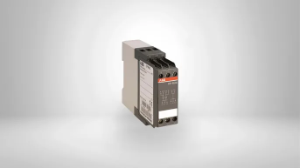
Standard power supplies are used to convert electrical power from a source into a stable and regulated voltage suitable for electronic equipment. Browse our selection below or contact us to speak with a product expert.
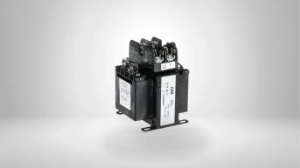
Control transformers are electrical devices used to step down voltage levels to safer and more manageable levels for control circuits in various industrial and commercial applications. They make sure that control systems receive the appropriate voltage required for operation, improving safety and efficiency. These transformers are commonly used in machinery, HVAC systems, and automation equipment to provide reliable power supply for control panels and other electronic components. Browse our selection below or contact us to speak with a product expert.

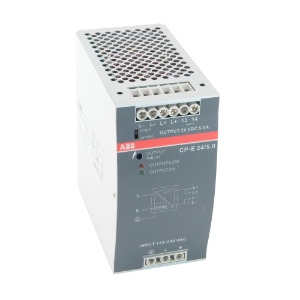
General industrial power supplies deliver stable, regulated electrical power to automation equipment, instrumentation, control panels, and safety systems in harsh and demanding environments. Designed for reliability and efficiency, these units convert AC to DC voltage with tight tolerances to protect sensitive components from voltage fluctuations, surges, and electrical noise. Available in DIN rail, enclosed, and modular formats, industrial power supplies are essential for ensuring uptime, maintaining system integrity, and supporting mission-critical operations across manufacturing, processing, and utility sectors.
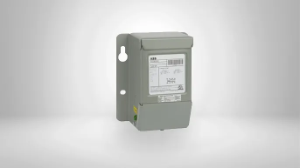
Transformers are electrical devices used to transfer electrical energy between circuits through electromagnetic induction. Transformers are important for stepping up or stepping down voltage levels to match specific application requirements in industrial, commercial, and residential settings. Transformers play a vital role in power distribution, for efficient and safe electricity transmission for various devices and systems. Browse our selection below or contact us to speak to a product expert.

$393.09
Subject to factory lead times
$315.22
Subject to factory lead times
$503.12
Subject to factory lead times
$628.87
Subject to factory lead times

$676.85
Subject to factory lead times

$845.90
Subject to factory lead times
$898.88
Subject to factory lead times
$1,123.62
Subject to factory lead times
$151.73
Subject to factory lead times
$97.25
Subject to factory lead times
$147.81
Subject to factory lead times
$104.20
Subject to factory lead times
$193.48
Subject to factory lead times
$132.00
$151.80
Subject to factory lead times
$140.71$169.23
$169.68$190.48
$422.72
Subject to factory lead times
$309.13
Subject to factory lead times
$216.75
Subject to factory lead times

$488.70
Subject to factory lead times
$423.76
Subject to factory lead times
$146.17
Subject to factory lead times

$159.38
Subject to factory lead times
$393.09
Subject to factory lead times
$315.22
Subject to factory lead times
$503.12
Subject to factory lead times
$628.87
Subject to factory lead times
$676.85
Subject to factory lead times
$845.90
Subject to factory lead times
$898.88
Subject to factory lead times
$1,123.62
Subject to factory lead times
$151.73
Subject to factory lead times
$97.25
Subject to factory lead times
$147.81
Subject to factory lead times
$104.20
Subject to factory lead times
$193.48
Subject to factory lead times
$132.00
$151.80
Subject to factory lead times
$140.71$169.23
$169.68$190.48
$422.72
Subject to factory lead times
$309.13
Subject to factory lead times
$216.75
Subject to factory lead times
$488.70
Subject to factory lead times
$423.76
Subject to factory lead times
$146.17
Subject to factory lead times
$159.38
Subject to factory lead times
- An industrial power supply converts incoming AC mains voltage (typically 120V or 240V AC) into a stable, regulated DC output — most commonly 24V DC — to power control system components such as PLCs, HMIs, sensors, solenoid valves, and communication modules. Unlike consumer-grade adapters, industrial power supplies are designed for continuous operation in harsh environments, with features like wide input voltage tolerance, high efficiency, overload and short-circuit protection, and DIN-rail mounting for easy installation inside control panels. A reliable power supply is the foundation of any control system — if the power supply fails or delivers unstable voltage, every device it feeds is affected.
- To size a power supply correctly, add up the current draw (in amps) of every device that will be powered by it — PLCs, I/O modules, HMIs, sensors, solenoid valves, relays, and any other 24V DC loads. Then add a safety margin of 20–25% above the total calculated load to account for inrush currents at startup and future expansion. For example, if your total load is 4.0A, specify a power supply rated for at least 5.0A. Also verify that the power supply's output voltage matches the requirement of all connected devices (most industrial devices standardize on 24V DC) and that the input voltage range covers your facility's AC supply. Oversizing slightly is acceptable and adds headroom; undersizing causes voltage sag, erratic device behavior, and nuisance shutdowns.
- 24V DC became the industry standard because it strikes the optimal balance between safety, performance, and compatibility. It is low enough to be classified as Safety Extra-Low Voltage (SELV) under most electrical codes, significantly reducing the risk of electrical shock to maintenance personnel. At the same time, 24V provides enough voltage to reliably drive sensors, solenoid valves, relays, and communication signals over typical industrial wiring distances without excessive voltage drop. Virtually all modern PLCs, HMIs, I/O modules, and industrial sensors are designed for 24V DC input, making it a universal standard that simplifies panel design and spare parts inventory. Other DC voltages (12V, 48V) exist for specific applications, but 24V DC is the default for general industrial control.
- A quality industrial power supply should include several built-in protection features. Overload protection limits or shuts down output current when the connected load exceeds the rated capacity, preventing damage to the supply and downstream wiring. Short-circuit protection immediately reduces output if a dead short occurs on the DC bus, and the supply should recover automatically once the fault is cleared. Over-voltage protection guards sensitive electronics against output voltage spikes. Over-temperature protection (thermal shutdown) reduces output or shuts down the supply if internal temperatures exceed safe limits due to high ambient temperatures or blocked ventilation. Additionally, many industrial supplies include power-OK relay contacts or LED indicators that signal when the output voltage is within specification — this output can be wired to a PLC input for system-level monitoring and alarming.
- Yes, but it requires power supplies specifically designed or rated for parallel operation. Running two standard power supplies in parallel without proper design can cause uneven load sharing, where one supply carries the majority of the load while the other contributes little, leading to premature failure and no actual redundancy. Purpose-built redundancy modules or power supplies with built-in load-sharing circuitry (often called ORing or decoupling modules) ensure that both supplies share the load evenly during normal operation and that the remaining supply seamlessly picks up the full load if one fails. For critical processes where a power supply failure would cause significant downtime or safety issues, a redundant 1+1 configuration with proper decoupling is strongly recommended. Always verify that each supply is individually rated to carry the full load on its own.