
Peristaltic/Hose Pumps
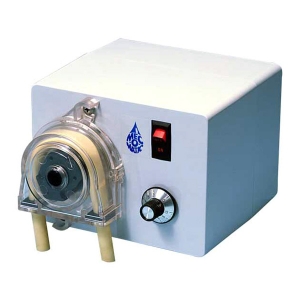
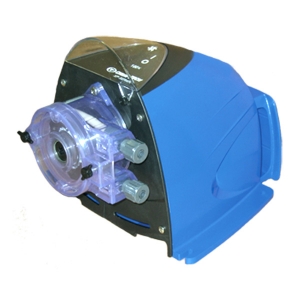
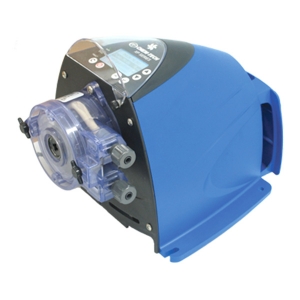
Peristaltic (hose) pumps move fluid by squeezing a flexible hose or tube with rollers or shoes. The fluid only touches the inside of the hose, so these pumps handle abrasive slurries, corrosive chemicals and shear-sensitive products without seals or valves to wear out.
Advantages
- Seal-less design – no leaks and no seals to replace
- Handles abrasives and solids – slurries, lime, sludge and mining fluids
- Gentle pumping – protects shear-sensitive products
- Self-priming and dry-run capable – tolerant of upsets
- Accurate metering – flow proportional to speed
Selection Tips
Pump size depends on flow, pressure and duty. Running slower extends hose life. Choose hose material (natural rubber, Buna, EPDM, Hypalon) for chemical compatibility. Keep spare hoses on hand, since the hose is the main wear item.
Centro supplies peristaltic hose pumps and replacement hoses for chemical feed and slurry transfer.
Related categories: Pumps | Pump Repair | AOD & AODD Pumps
Configure product to see pricing
Configure product to see pricing
Configure product to see pricing
Configure product to see pricing
Configure product to see pricing
Configure product to see pricing
Configure product to see pricing
Configure product to see pricing
Configure product to see pricing
Configure product to see pricing
Configure product to see pricing
Configure product to see pricing
Configure product to see pricing
Configure product to see pricing
Configure product to see pricing
Configure product to see pricing
- A peristaltic pump, also called a hose pump or tube pump, moves fluid by compressing and releasing a flexible hose. Rollers or shoes rotate to push the liquid forward, making the pump ideal for thick, abrasive, or shear sensitive fluids.
- They can pump viscous fluids, slurries, pastes, abrasive mixtures, gases entrained in fluids, and chemically aggressive liquids. Since only the hose contacts the fluid, compatibility is easy to manage.
- Peristaltic pumps are used in chemical dosing, wastewater treatment, mining slurry transfer, food and beverage processing, paint and coatings, pharmaceuticals, and any application requiring gentle or precise flow control.
- Key advantages include accurate dosing, gentle fluid handling, excellent solids and slurry performance, no valves or seals, easy maintenance, and strong suction lift capability.
- Hose selection depends on chemical compatibility, abrasion, temperature, and pressure. Common materials include EPDM, NR, NBR, Hypalon, and reinforced rubber. Choosing the right hose is essential for pump life and performance.