
Circuit Protection - ABB
Circuit protection devices protect people, equipment and wiring from overloads, short circuits and faults. Choosing the right device is critical for safety and code compliance.
Circuit Protection Products

Molded case circuit breakers (MCCBs) protect higher-current circuits, typically 15 to 2,500 amps, in panelboards, switchboards and equipment.
MCCB Features
- Thermal-magnetic trip units – standard protection
- Electronic trip units – adjustable settings
- High interrupting ratings – high fault currents
- Accessories – shunt trips, auxiliaries and handles
Choosing an MCCB
Select frame size, current rating, interrupting rating and trip unit. Confirm lug sizes and mounting.
Centro supplies molded case circuit breakers.
Related categories: Circuit Protection | Circuit Breaker Enclosures | Circuit Protection Accessories | Circuit Monitoring | Disconnect Switches

Circuit breakers protect circuits from overloads and short circuits, and you can reset them after a trip. They're the main overcurrent protection in control panels, switchboards and distribution equipment.
Breaker Types
- Miniature circuit breakers (MCBs) – DIN rail control circuit protection
- Molded case circuit breakers (MCCBs) – higher currents
- Supplementary protectors – equipment protection
- Motor circuit protectors – motor branch circuits
- Ground-fault breakers – personnel protection
Choosing a Breaker
Select current rating, voltage, poles, trip curve and interrupting rating. Confirm UL listing for your application, whether branch circuit (UL 489) or supplementary (UL 1077).
Centro carries circuit breakers and accessories.
Related categories: Circuit Protection | Fuses | Breaker Conversion Kits | Fuse Blocks and Holders | Disconnect Accessories

Disconnect switches isolate equipment from power so maintenance can be done safely. They're required by code for motors and machines, and support lockout/tagout procedures.
Disconnect Types
- Fusible disconnects – isolation with fuse protection
- Non-fusible disconnects – isolation only
- Rotary disconnects – panel-mount with door handles
- Enclosed safety switches – NEMA 1, 3R, 4X and 12
- Accessories – handles, shafts and auxiliary contacts
Choosing a Disconnect
Select by voltage, amperage, horsepower rating, poles and enclosure. Confirm short-circuit ratings and code requirements.
Centro supplies disconnect switches and accessories.
Related categories: Circuit Protection | Circuit Monitoring | Fuse Blocks and Holders | Circuit Protection Accessories | Fuses

Disconnect accessories complete a disconnect switch installation, providing safe handle operation through panel doors, lockout capability and status feedback.
Accessories Available
- Door-mounted handles – operate the switch without opening the enclosure
- Extension shafts – connect the handle to the switch body
- Auxiliary contacts – signal switch position to controls
- Padlock attachments – lockout/tagout compliance
- Fuse kits and terminal shrouds – fusible conversions and finger safety
Ordering Tips
Start with the disconnect switch model and amperage. Measure the enclosure depth to choose the right shaft length. Handle color matters: red and yellow handles are typically used for emergency or main disconnects.
Centro can confirm the right handles, shafts and contacts for your disconnect switches.
Related categories: Circuit Protection | Breaker Conversion Kits | Circuit Breaker Accessories | Circuit Breakers | Fuses

Circuit protection accessories complete breaker, fuse and disconnect installations, adding safety, signaling and flexibility.
Accessories Available
- Auxiliary and alarm contacts – status signals
- Shunt trips and undervoltage releases – remote tripping
- Lockout devices – safe maintenance
- Busbars and terminals – efficient wiring
- Covers and shrouds – finger safety
Choosing Accessories
Accessories are series-specific, so confirm the device part number before ordering.
Centro supplies circuit protection accessories.
Related categories: Circuit Protection | Circuit Breaker Enclosures | Circuit Monitoring | Molded Case Circuit Breakers | Disconnect Switches
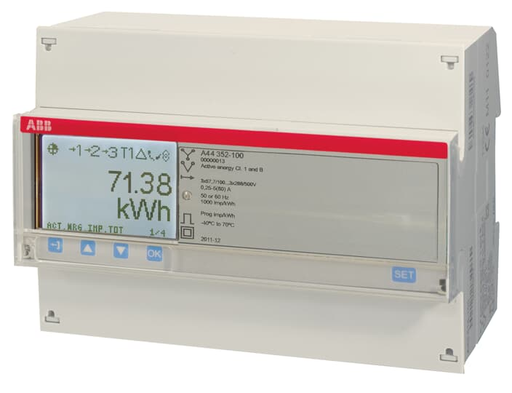
Circuit monitoring devices measure current, voltage, power and energy use in electrical systems. They help you manage loads, find problems and cut energy costs.
Monitoring Products
- Power meters – energy and power quality
- Current sensors and transducers – load monitoring
- Monitoring relays – phase loss and voltage faults
- Ground fault monitors – insulation monitoring
Choosing a Solution
Define what to monitor, accuracy needed and communication options. Networked meters feed energy management systems.
Centro supplies circuit monitoring products.
Related categories: Circuit Protection | Circuit Protection Accessories | Disconnect Switches | Circuit Breaker Enclosures | Fuse Blocks and Holders

Circuit breaker accessories add functions to breakers, including remote tripping, status feedback, interlocking and lockout, without replacing the breaker itself.
Accessories Available
- Shunt trips – trip a breaker remotely from an emergency stop or alarm
- Undervoltage releases – trip when supply voltage drops
- Auxiliary and alarm contacts – report breaker status
- Handle operators and locks – door-mounted and lockout/tagout devices
- Terminal lugs and covers – secure, finger-safe connections
Selecting Accessories
Accessories are specific to the breaker frame and series, so confirm the breaker part number first. Check whether the accessory installs in the field or must be factory installed, and verify the coil voltage for shunt trips and undervoltage releases.
Centro can identify compatible accessories for the breakers already in your panels.
Related categories: Circuit Protection | Disconnect Accessories | Breaker Conversion Kits | Circuit Breakers | Fuses

Fuse blocks and holders mount fuses securely and safely in panels and equipment. Finger-safe designs and indicators make maintenance safer and quicker.
Fuse Block Types
- DIN rail fuse holders – compact control panel mounting
- Panel-mount fuse blocks – power distribution
- Finger-safe holders – reduce shock hazards
- Indicating holders – show blown fuses
- Inline holders – wire-mounted protection
Choosing a Holder
Match fuse class, size, amperage, voltage and number of poles. Check UL ratings and wire range. Indicating holders cut troubleshooting time.
Centro supplies fuse blocks and holders for control panels.
Related categories: Circuit Protection | Disconnect Switches | Fuses | Circuit Monitoring | Circuit Breakers

Circuit breaker enclosures house breakers for standalone protection of equipment and circuits. They protect breakers from the environment and people from live parts.
Enclosure Options
- NEMA 1 – indoor general purpose
- NEMA 3R – outdoor rainproof
- NEMA 4/4X – washdown and corrosive
- NEMA 12 – dust and drip resistant
- Lockable covers – lockout/tagout
Choosing an Enclosure
Match the enclosure to breaker frame size and environment. Confirm the enclosure is listed for your breaker.
Centro supplies circuit breaker enclosures.
Related categories: Circuit Protection | Molded Case Circuit Breakers | Circuit Protection Accessories | Circuit Monitoring | Disconnect Switches
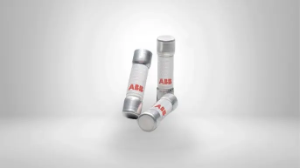
Fuses provide fast, dependable overcurrent protection for circuits, motors, drives and electronics. Their high interrupting ratings make them ideal where fault currents are high.
Fuse Types
- Class CC, J and RK fuses – branch circuit protection
- Time-delay fuses – motor inrush tolerance
- Fast-acting fuses – electronics protection
- Semiconductor fuses – drives and rectifiers
- Midget and glass fuses – control circuits
Choosing a Fuse
Match class, amperage, voltage and interrupting rating to the circuit and fuse holder. Use time-delay fuses for motors and fast-acting fuses for semiconductors.
Centro carries fuses for industrial and commercial electrical systems.
Related categories: Circuit Protection | Fuse Blocks and Holders | Circuit Breakers | Disconnect Switches | Breaker Conversion Kits

$11,826.91$15,543.24
Subject to factory lead times

$13,609.18$17,885.55
Subject to factory lead times

$17,010.82$22,356.08
Subject to factory lead times

$18,371.83$24,144.74
Subject to factory lead times

$18,144.99$23,846.63
Subject to factory lead times

$22,679.92$29,806.55
Subject to factory lead times

$24,495.48$32,192.61
Subject to factory lead times

$6,805.92$8,944.51
Subject to factory lead times

$17,010.82$22,356.08
Subject to factory lead times

$330.19$433.93
Subject to factory lead times
$330.19$433.93
Subject to factory lead times
$2,482.05$3,261.97
Subject to factory lead times

$2,482.05$3,261.97
Subject to factory lead times
$4,964.08$6,523.92
Subject to factory lead times

$4,964.08$6,523.92
Subject to factory lead times
$3,432.29$4,510.81
Subject to factory lead times
$3,432.29$4,510.81
Subject to factory lead times
$3,432.29$4,510.81
Subject to factory lead times
$4,992.11$6,560.76
Subject to factory lead times
$4,992.11$6,560.76
Subject to factory lead times
$4,992.11$6,560.76
Subject to factory lead times

$955.52$1,255.76
Subject to factory lead times

$219.83$288.91
Subject to factory lead times

$219.83$288.91
Subject to factory lead times
$11,826.91$15,543.24
Subject to factory lead times
$13,609.18$17,885.55
Subject to factory lead times
$17,010.82$22,356.08
Subject to factory lead times
$18,371.83$24,144.74
Subject to factory lead times
$18,144.99$23,846.63
Subject to factory lead times
$22,679.92$29,806.55
Subject to factory lead times
$24,495.48$32,192.61
Subject to factory lead times
$6,805.92$8,944.51
Subject to factory lead times
$17,010.82$22,356.08
Subject to factory lead times
$330.19$433.93
Subject to factory lead times
$330.19$433.93
Subject to factory lead times
$2,482.05$3,261.97
Subject to factory lead times
$2,482.05$3,261.97
Subject to factory lead times
$4,964.08$6,523.92
Subject to factory lead times
$4,964.08$6,523.92
Subject to factory lead times
$3,432.29$4,510.81
Subject to factory lead times
$3,432.29$4,510.81
Subject to factory lead times
$3,432.29$4,510.81
Subject to factory lead times
$4,992.11$6,560.76
Subject to factory lead times
$4,992.11$6,560.76
Subject to factory lead times
$4,992.11$6,560.76
Subject to factory lead times
$955.52$1,255.76
Subject to factory lead times
$219.83$288.91
Subject to factory lead times
$219.83$288.91
Subject to factory lead times
- Circuit protection refers to devices — circuit breakers, fuses, and disconnect switches — that guard electrical equipment, wiring, and personnel by interrupting current flow when a fault occurs. Overcurrents caused by short circuits, ground faults, or sustained overloads generate excessive heat that can damage insulation, melt conductors, and start fires. Circuit protection devices detect these conditions and open the circuit before damage occurs. In industrial settings, properly specified circuit protection is not optional — it is required by the National Electrical Code (NEC) and ensures that a fault in one branch circuit does not cascade into a facility-wide failure.
- Both fuses and circuit breakers interrupt current flow during an overcurrent event, but they differ in operation and reusability. A fuse contains a metal element that melts and permanently opens the circuit when current exceeds its rating — it must be replaced after each event. A circuit breaker uses a mechanical or electromechanical mechanism to trip and open the circuit, and it can be reset and reused after the fault is cleared. Fuses offer faster response times and are simpler and less expensive for individual circuit protection. Circuit breakers are more practical where frequent tripping may occur, where resettability reduces downtime, or where remote or adjustable trip settings are needed. In many industrial panels, both are used — fuses for high-speed protection of sensitive components and circuit breakers for branch circuit and feeder protection.
- A molded case circuit breaker (MCCB) is a heavy-duty circuit breaker housed in a rigid, insulated molded case. MCCBs are designed for higher current ratings — typically from 15 amps up to 2,500 amps — making them the standard choice for protecting feeders, branch circuits, and large motor loads in industrial and commercial distribution panels. They provide both thermal protection against sustained overloads and magnetic protection against short circuits. Many MCCBs offer adjustable trip settings, allowing the trip current and delay to be tuned to match the specific load characteristics. For applications requiring coordination between upstream and downstream protective devices, MCCBs provide selectable trip curves that prevent nuisance tripping while ensuring the nearest device to the fault clears first.
- A disconnect switch is a manually operated device that provides a visible, lockable means of isolating a circuit or piece of equipment from its power source. Its primary purpose is safety — it allows maintenance personnel to de-energize equipment and lock it in the off position (lockout/tagout per OSHA standards) so work can be performed without risk of accidental energization. Disconnect switches do not typically provide overcurrent protection on their own; they are paired with fuses (creating a fused disconnect) or installed alongside circuit breakers. Fused disconnects combine isolation and overcurrent protection in a single enclosure, reducing panel space and simplifying wiring. Disconnect switches are required by code at the service entrance, at motors, and at most equipment that requires periodic maintenance access.
- The rating of a fuse or breaker must match the wire size and the load it protects — not the equipment's maximum draw alone. Start with the full-load current of the equipment, then apply NEC derating factors for continuous loads (typically 125% of continuous current). Select a fuse or breaker whose ampere rating does not exceed the ampacity of the conductor it protects. For motor circuits, the NEC specifies separate rules — the branch circuit protective device is sized based on motor full-load current tables (not nameplate), and the type of fuse or breaker (time-delay fuse, inverse-time breaker, instantaneous-trip breaker) determines the maximum allowed percentage. Undersizing causes nuisance tripping; oversizing defeats the purpose of protection and can allow wiring to overheat before the device trips. When in doubt, consult the NEC tables or contact a product expert for proper coordination.
- Circuit breaker accessories extend the functionality of the breaker beyond basic overcurrent protection. Common accessories include shunt trips (allow remote tripping from an external signal or emergency stop), auxiliary contacts (provide status feedback to a PLC or alarm system indicating whether the breaker is open or closed), undervoltage releases (trip the breaker if supply voltage drops below a safe level), and handle locks (lock the breaker in the on or off position for safety compliance). Circuit breaker enclosures are protective housings that mount around the breaker, shielding it from dust, moisture, and accidental contact. Enclosures are rated by NEMA or IP standards — NEMA 1 for general indoor use, NEMA 4/4X for washdown or outdoor environments. Selecting the right enclosure ensures the breaker operates reliably in its installed environment and meets workplace safety requirements.