
Bulk Solids Material Handling - NAVCO
Efficiently manage and transport large volumes of material with our comprehensive range of bulk material handling solutions. This category features an array of products designed for industrial applications, includi...
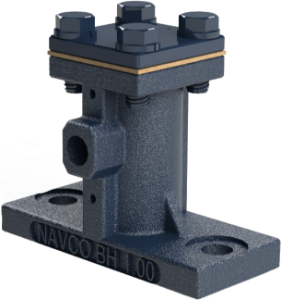
Vibratory conveyors move bulk materials and parts with controlled vibration. They're gentle on products, easy to clean and suitable for hot, abrasive and fragile materials.
Vibratory Equipment
- Vibratory conveyors – horizontal transport of bulk and parts
- Vibratory feeders – metered feeding from hoppers
- Screeners – separate fines and oversize material
- Bin activators – prevent bridging in hoppers
- Sanitary designs – food and pharmaceutical handling
Choosing Equipment
Consider material type, rate, distance and whether you need feeding, screening or spreading. Electromagnetic drives offer fine control for feeding, while mechanical drives handle heavy loads.
Centro supplies vibratory conveyors and feeders for bulk handling.
Related categories: Conveying Systems | Elbows & Bends | Hoses | Belt
We provide a complete range of bulk solid filtration products online. Bulk solid filtration plays a major role in many conveying systems, designed to prevent fine particles from escaping while enhancing system performance.
These solutions help reduce material loss and ensure a consistent flow of materials, improving both efficiency and product quality. Our product offerings include:
- Rotary Airlocks: Used to prevent fine particles from escaping the system, maintaining clean and efficient operations.
- Pneumatic Exhausts: Improve system performance by minimizing material loss and providing a steady flow of materials.
- Dust Collectors: Essential for capturing and containing dust to keep your system clean and compliant.
- Air Filters: Provide additional filtration to maintain optimal air quality and system functionality.
If you're looking to enhance product quality, boost production efficiency, or both, our knowledgeable team can help you select the right solution. Browse our website today to explore our Bulk Solid Filtration products and services or contact us to speak to a product expert to help you in your selection.
Shop by type: Conveying Systems | Metal Structures and Stairs | Expansion Joints | Material Handling
Related categories: Bulk Solids Material Handling | Level Control | Fans & Blowers | Batteries
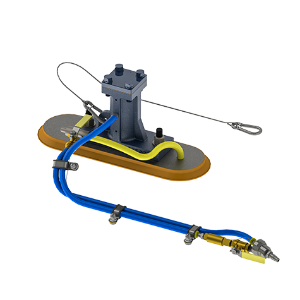
$1,688.99
Subject to factory lead times
$1,725.99
Subject to factory lead times
Configure product to see pricing
Configure product to see pricing
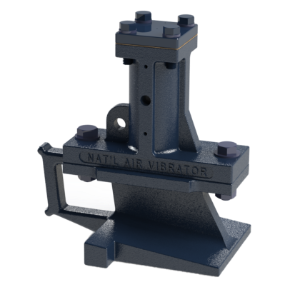
$1,063.99
Subject to factory lead times
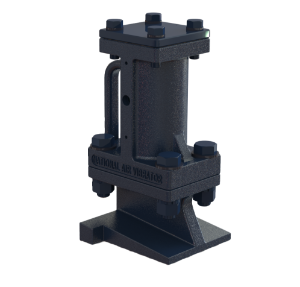
$1,169.99
Subject to factory lead times
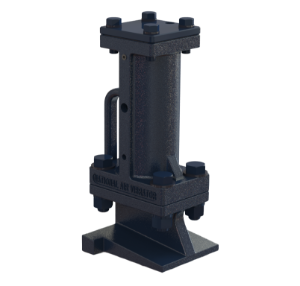
$1,395.99
Subject to factory lead times
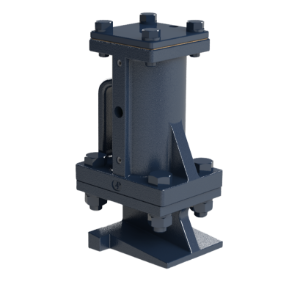
$2,049.98
Subject to factory lead times
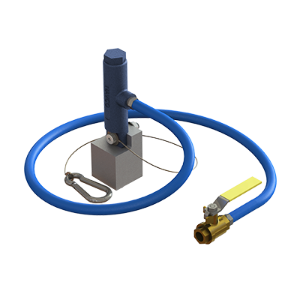
$934.00
Subject to factory lead times
$62.00
$85.00
Subject to factory lead times

$59.00
$885.00
$343.00
$1,688.99
Subject to factory lead times
$1,725.99
Subject to factory lead times
Configure product to see pricing
Configure product to see pricing
$1,063.99
Subject to factory lead times
$1,169.99
Subject to factory lead times
$1,395.99
Subject to factory lead times
$2,049.98
Subject to factory lead times
$934.00
Subject to factory lead times
$62.00
$85.00
Subject to factory lead times
$59.00
$885.00
$343.00
- Bulk solids material handling refers to the systems and equipment used to store, move, process, and control dry bulk materials such as powders, granules, pellets, and aggregates in industrial facilities. A complete bulk material handling system typically includes several types of equipment working together: conveying systems (vibratory conveyors, screw feeders, pneumatic conveyors) to transport material between process stages, fans and blowers to provide airflow for pneumatic conveying and ventilation, bulk solids filtration products (dust filtration cartridges, dust collectors, dust filtration ducting) to capture airborne particulates and maintain air quality, expansion joints to absorb thermal movement and vibration in ducting and piping systems, level control devices to monitor material levels in bins and silos, magnets to remove ferrous contaminants from the material stream, and metal structures and stairs to provide safe access to elevated equipment like silos, bins, and platforms. The right combination of equipment depends on the material properties, facility layout, throughput requirements, and industry regulations.
- Industrial fans and blowers are critical components in bulk material handling systems, providing the airflow needed for pneumatic conveying, process ventilation, dust collection, and cooling. In pneumatic conveying systems, blowers generate the air pressure or vacuum that moves dry bulk materials through enclosed pipelines from one point to another — this is how powders, granules, and lightweight materials are transported over distance without open conveyors. Fans are also the driving force behind dust collection systems, pulling dust-laden air from process equipment through filtration ducting and into dust collectors where particulates are captured by cartridges or bags before clean air is returned to the facility or exhausted outside. Material handling fans are specifically designed with radial or paddle-wheel blade configurations that resist clogging and abrasion when handling dirty or particle-laden airstreams. Selecting the right fan or blower involves matching the airflow volume, static pressure, material characteristics, and temperature to the application requirements.
- Expansion joints are flexible connectors installed in piping and ducting systems to absorb thermal expansion, contraction, vibration, and other dynamic movements that occur during normal operation. In bulk material handling, ducting systems that connect dust collectors, fans, conveying equipment, and process vessels experience significant temperature changes and mechanical stress — without expansion joints, these forces would cause cracking, misalignment, or failure of rigid duct and pipe connections. Expansion joints are available in several types including metal (stainless steel or carbon steel bellows for high-temperature and high-pressure applications), rubber (single arch, double sphere, or filled arch designs for vibration isolation and flexibility), and fabric (for large-diameter, low-pressure ductwork commonly found in dust collection systems). The right expansion joint material and style depends on the operating temperature, pressure, chemical environment, and the degree of movement the joint needs to accommodate. Proper selection and installation of expansion joints helps extend the lifespan and reliability of the entire ducting and piping infrastructure.
- Dust filtration is essential in any facility that handles dry bulk materials because processing, conveying, and transferring these materials generates airborne dust that poses health, safety, and environmental risks. Effective dust filtration systems capture particulates at the source before they can spread through the workplace. The key equipment includes dust collectors — units that house filter elements and use pulse-jet cleaning or mechanical shaking to dislodge collected dust for disposal. Dust filtration cartridges are the filter elements inside these collectors, designed with specialized media to trap fine particles from the air or gas stream while maintaining airflow. Dust filtration ducting is the network of ducts that connects emission sources (hoppers, conveyors, transfer points) to the dust collection system, ensuring dust-laden air is captured and routed to the collector. Dust personnel cleaning systems are also part of a complete approach — these stations use high-pressure air nozzles to remove dust from workers' clothing and PPE, with a built-in filtration system to prevent the removed dust from re-entering the work environment. Together, these components maintain air quality, protect worker health, and help facilities meet OSHA and environmental compliance requirements.
- Level control devices and magnets serve different but equally important roles in bulk material handling systems. Level control devices are sensors and instruments installed on bins, silos, hoppers, and tanks to continuously monitor or detect the level of bulk material inside. They prevent costly problems like overfilling (which can cause spills, equipment damage, or safety hazards) and running empty (which can starve downstream processes and damage equipment like pumps or conveyors running dry). Common level measurement technologies include ultrasonic, radar, capacitance, and rotary paddle sensors, each suited to different material types and vessel configurations. Magnets are used to protect equipment and product quality by removing ferrous metal contaminants — tramp metal like bolts, wire fragments, or wear particles — from the bulk material stream before it reaches sensitive processing equipment or finished product packaging. Magnetic separators are typically installed at transfer points, chute openings, or conveyor discharge points where they can capture metal debris as material flows past. Both level control and magnetic separation are standard components of a well-designed bulk handling system that runs reliably and produces clean, uncontaminated product.