
Actuators
Actuators automate valves, dampers and machinery by turning electric, pneumatic or hydraulic energy into motion. Automated valves improve process control, allow remote operation and provide fail-safe protection.
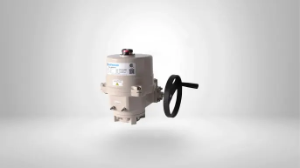
Electric actuators automate valves and dampers using an electric motor and gear train. They give precise positioning, need no compressed air and connect easily to modern control systems, so they're a good fit for remote sites and modulating control.
Electric Actuator Types
- Quarter-turn actuators – ball, butterfly and plug valves
- Multi-turn actuators – gate and globe valves
- Linear actuators – control valves and dampers
- Fail-safe models – battery or spring return on power loss
- Explosion-proof and NEMA 4X – hazardous and outdoor locations
Choosing an Electric Actuator
Size for valve torque with margin, then select voltage, duty cycle and control type (on/off, 4-20 mA modulating or digital network). Manual overrides are useful during commissioning. Check cycle time requirements.
Centro can size electric actuators and mount them on valves as complete automated packages.
Related categories: Actuators | Pneumatic Actuators | Linear Actuators | Actuator Accessories | Thermal Link Actuators
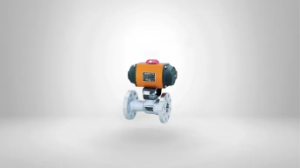
Pneumatic actuators use compressed air to open and close valves quickly and reliably. They're simple, cost-effective and inherently safe in hazardous areas, which makes them the most common choice for automated quarter-turn valves.
Pneumatic Actuator Types
- Rack and pinion actuators – compact and economical
- Scotch yoke actuators – high torque for large valves
- Double-acting – air to open and air to close
- Spring-return – fail-safe open or closed on air loss
- Linear diaphragm actuators – globe and control valves
Choosing an Actuator
Size the actuator using valve torque, minimum air supply pressure and a safety factor. Add solenoid valves, limit switches or positioners for control and feedback. Stainless and coated housings are available for corrosive environments.
Centro supplies pneumatic actuators and accessories and can help you size the right actuator for your valve.
Related categories: Actuators | Actuator Accessories | Electric Actuators | Linear Actuators | Thermal Link Actuators

Actuator accessories turn a basic actuator into a complete automated valve. Solenoid valves, limit switches, positioners and mounting kits provide control, feedback and precise positioning.
Accessories Available
- Solenoid valves – NAMUR-mount pilot control
- Limit switch boxes – open/closed position feedback
- Positioners – modulating control
- Mounting kits and brackets – actuator to valve adaptation
- Manual overrides – operation during power or air loss
Choosing Accessories
Match accessory standards (NAMUR, ISO 5211) and environmental ratings. Explosion-proof versions are required in hazardous areas.
Centro supplies actuator accessories and can help you match them to your actuator and valve.
Related categories: Actuators | Pneumatic Actuators | Electric Actuators | Linear Actuators | Thermal Link Actuators

$14.91
Subject to factory lead times

$13.85
Subject to factory lead times

$14.91
Subject to factory lead times

$14.91
Subject to factory lead times

$14.91
Subject to factory lead times

$56.44
Subject to factory lead times

$56.44
Subject to factory lead times

$42.60
Subject to factory lead times

$51.12
Subject to factory lead times

$85.20
Subject to factory lead times

$9.57
Subject to factory lead times

$24.50
Subject to factory lead times

$21.30
Subject to factory lead times

$15.03
Subject to factory lead times

$86.26
Subject to factory lead times

$10.93
Subject to factory lead times

$23.22
Subject to factory lead times

$10.93
Subject to factory lead times

$10.93
Subject to factory lead times

$15.03
Subject to factory lead times

$15.03
Subject to factory lead times

$17.76
Subject to factory lead times

$9.59
Subject to factory lead times

$10.66
Subject to factory lead times
$14.91
Subject to factory lead times
$13.85
Subject to factory lead times
$14.91
Subject to factory lead times
$14.91
Subject to factory lead times
$14.91
Subject to factory lead times
$56.44
Subject to factory lead times
$56.44
Subject to factory lead times
$42.60
Subject to factory lead times
$51.12
Subject to factory lead times
$85.20
Subject to factory lead times
$9.57
Subject to factory lead times
$24.50
Subject to factory lead times
$21.30
Subject to factory lead times
$15.03
Subject to factory lead times
$86.26
Subject to factory lead times
$10.93
Subject to factory lead times
$23.22
Subject to factory lead times
$10.93
Subject to factory lead times
$10.93
Subject to factory lead times
$15.03
Subject to factory lead times
$15.03
Subject to factory lead times
$17.76
Subject to factory lead times
$9.59
Subject to factory lead times
$10.66
Subject to factory lead times
- Rack and pinion and scotch yoke are the two main pneumatic actuator designs for quarter-turn valves, and they differ in how they convert linear piston motion into rotary output. A rack and pinion actuator uses a toothed rack on the piston that meshes with a pinion gear to produce rotation — this delivers a symmetrical torque profile with consistent output throughout the stroke, making it well suited for general-purpose ball and butterfly valve automation. Rack and pinion actuators are compact, lightweight, and available in a wide range of sizes. A scotch yoke actuator uses a sliding yoke mechanism that produces higher torque at the beginning and end of the stroke (where most valves need it most — breakaway and end-of-travel seating). This makes scotch yoke designs the preferred choice for larger valves with high breakaway torque requirements, tight shutoff needs, or applications with high differential pressure across the valve. Scotch yoke actuators tend to be larger but deliver more torque per unit of air pressure in high-demand applications.
- Electric actuators offer several advantages that make them the better choice in certain applications. They provide precise, programmable positioning for modulating control — the actuator can hold the valve at any intermediate position between fully open and fully closed, making them ideal for throttling applications controlled by a 4–20 mA signal or digital protocol. They eliminate the need for a compressed air supply, which simplifies installation in locations where air lines are not available or where the cost of generating and distributing compressed air is prohibitive. Electric actuators integrate easily with modern control systems via protocols like Modbus, PROFIBUS, or HART, providing diagnostic feedback such as torque monitoring, valve position, and cycle count data. They are also quieter than pneumatic actuators and produce no exhaust air. The tradeoffs are higher upfront cost, slower operating speed compared to pneumatic actuators, and the need for battery backup or a spring-return mechanism to achieve fail-safe operation on power loss.
- Actuator accessories are the components that connect the actuator to the plant control system and enable it to perform beyond simple open/close operation. Key accessories include solenoid valves (mount directly on pneumatic actuators and convert an electrical signal from the PLC into an air command that shifts the actuator), positioners (precisely control the actuator position in proportion to a control signal for modulating valve service), limit switches (provide discrete feedback to the control system confirming the valve has reached its fully open or fully closed position), position transmitters (send a continuous analog signal representing the valve's current position back to the control system), and mounting kits and brackets that adapt the actuator to the valve per ISO 5211. These accessories are critical because without them, an actuator is just a motor — the accessories provide the communication, feedback, and safety functions that integrate the actuator into the plant's automation and safety systems.
- Yes, in most cases a manual valve can be retrofitted with an actuator to convert it to automated operation. The key requirements are that the valve must have a compatible mounting interface (most modern quarter-turn valves conform to ISO 5211, which makes actuator mounting straightforward), the valve stem must be in good condition and properly sized for the actuator drive coupling, and the valve must be mechanically sound — worn seats, damaged packing, or corroded internals should be addressed before automation since an actuator will cycle the valve more frequently than manual operation. The retrofit process involves selecting an actuator with sufficient torque for the valve's operating conditions, verifying the ISO flange and stem dimensions match, and adding a mounting kit if the valve predates ISO 5211. A solenoid valve for pneumatic actuators or a control signal connection for electric actuators completes the automated package. Retrofitting is often more cost-effective than replacing the entire valve assembly.
- Pneumatic actuator maintenance focuses on air quality, seal condition, and mechanical integrity. The single most impactful preventive measure is ensuring clean, dry air reaches the actuator — moisture, oil, and particulates in the air supply degrade seals, corrode internal surfaces, and cause sticky or sluggish operation. Install and maintain a filter-regulator upstream of the actuator and drain moisture regularly. Inspect the actuator on a regular schedule for air leaks at fittings, tubing, and the actuator body — a leaking actuator may still operate but will consume excessive air and eventually lose the ability to generate full torque. Check that the actuator achieves full travel in both directions and that the valve seats properly at each end of stroke. For spring-return actuators, verify the spring canister is not corroded and that the spring drives the actuator to the fail-safe position with adequate force. Lubricate pivot points and stem connections per the manufacturer's recommendations. Replace seals and O-rings proactively based on the manufacturer's service interval rather than waiting for visible leakage or failure.