
Air Preparation
Air preparation is an integral part of many industrial and commercial applications. At Centro, we carry a complete selection of air preparation products to meet your needs. Our combination air prep units include fi...
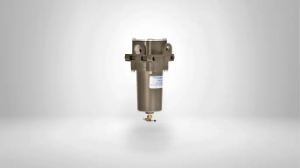
Air filters are essential to removing contaminants, particles, and impurities from compressed air systems. They play a critical role in ensuring clean, high-quality air for various applications, such as pneumatic tools, machinery, and equipment. Air filters capture dust, dirt, moisture, and other airborne particles, preventing them from entering downstream components and causing damage or malfunctions. They are available in different types, including particulate filters, coalescing filters, and activated carbon filters, offering filtration capabilities for specific air quality requirements. Air filters help maintain system performance, prolong equipment lifespan, and ensure reliable and efficient operation.
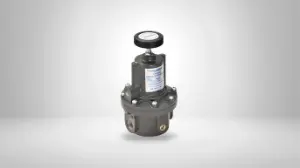
Air regulators are devices used to control and maintain a consistent and adjustable pressure level in compressed air systems. They are essential for optimizing the performance of pneumatic tools, actuators, and other air-powered equipment. Air regulators monitor the incoming air pressure and regulate it to a desired setpoint, ensuring reliable and consistent operation. They provide precise control over the air pressure, allowing users to adjust and maintain the optimal pressure for specific applications. Air regulators are available in various configurations, including relieving and non-relieving types, with features like pressure gauges and lockout options, offering flexibility and functionality for different pneumatic systems.
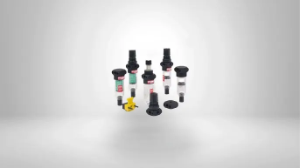
Lubricators are vital components in industrial settings, playing a crucial role in maintaining and performing machinery and equipment. These devices are designed to supply a controlled and consistent flow of lubricating oil or grease to various mechanical parts, reducing friction, minimizing wear and tear, and ultimately prolonging the lifespan of critical components. Whether in manufacturing, automotive, or heavy machinery applications, lubricators ensure that moving parts operate smoothly, efficiently, and reliably. By providing the right amount of lubrication precisely where it's needed, lubricators contribute to increased productivity and reduced maintenance costs, making them an indispensable asset in industrial maintenance and machinery.
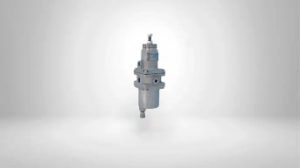
Filter regulator combos combine the functions of air filtration and pressure regulation into a single unit, offering a compact and space-saving solution for compressed air systems. These combos feature integrated filters and regulators, allowing users to remove contaminants and control pressure in a streamlined manner. By combining these two functions, filter regulator combos simplify installation, reduce piping, and minimize pressure drop. They provide efficient and reliable air treatment, ensuring clean and regulated air supply to pneumatic equipment and systems. Filter regulator combos are commonly used in applications where space is limited or when a compact air preparation unit is required.

Air preparation repair kits are essential for maintaining and optimizing pneumatic systems. These kits include components like filters, regulators, lubricators, and seals, allowing you to address issues and ensure consistent performance. By promptly replacing worn-out parts, these kits help extend the lifespan of pneumatic equipment and maintain reliable operation.
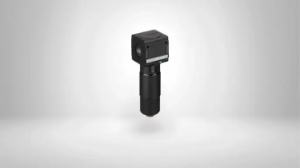
In the realm of automation and robotics, the significance of air preparation misc. products cannot be overstated. These often-overlooked components are the backbone of efficient and reliable pneumatic systems, ensuring that the air supplied to robotic and automated equipment is of the highest quality. Whether removing moisture and contaminants to protect sensitive components or fine-tuning air pressure for precise control, these products are the unsung heroes of automation. They contribute to seamless operation, reduced downtime, and extended equipment lifespan. In the dynamic world of automation and robotics, where precision and reliability are paramount, air preparation misc. products quietly play a critical role in upholding performance standards and ensuring that pneumatic systems remain the backbone of efficient, automated processes.
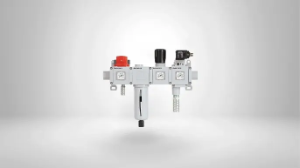
An Air Filter/Regulator/Lubricator (FRL) Combo unit is a compact assembly used in pneumatic systems to clean, regulate, and lubricate compressed air. These units typically include a filter to remove contaminants like dust and moisture, a regulator to control air pressure, and a lubricator to inject oil mist into the air stream for pneumatic tool lubrication. Browse our selection below or contact us to speak with a product expert.

$96.80
Subject to factory lead times
$96.80
Subject to factory lead times
$96.80

$1,466.01
Subject to factory lead times
$1,256.66
Subject to factory lead times
$186.03
Subject to factory lead times
Subject to factory lead times
$173.44$215.06
Subject to factory lead times
$164.51$203.99
Subject to factory lead times
$175.63$217.78
Subject to factory lead times
$169.73$210.46
Subject to factory lead times
$152.94$189.65
Subject to factory lead times
$96.80
Subject to factory lead times
$96.80
Subject to factory lead times
$96.80
$1,466.01
Subject to factory lead times
$1,256.66
Subject to factory lead times
$186.03
Subject to factory lead times
Subject to factory lead times
$173.44$215.06
Subject to factory lead times
$164.51$203.99
Subject to factory lead times
$175.63$217.78
Subject to factory lead times
$169.73$210.46
Subject to factory lead times
$152.94$189.65
Subject to factory lead times
- Air preparation refers to the conditioning of compressed air before it enters pneumatic components — valves, cylinders, actuators, and tools. Compressed air straight from a compressor contains moisture, oil, particulates, and pressure fluctuations that can damage equipment, cause erratic operation, and shorten component life. Air preparation equipment removes these contaminants and regulates pressure to deliver clean, dry, lubricated air at the correct and consistent pressure. The three core air preparation functions are filtration (removing particles and water), regulation (maintaining stable outlet pressure), and lubrication (injecting a fine oil mist for components that require it). Skipping air preparation is the single most common cause of premature pneumatic component failure.
- An FRL is a Filter-Regulator-Lubricator combination unit — the standard air preparation assembly installed at the point of use in a pneumatic system. The filter removes solid particles (dust, rust, pipe scale) and liquid water from the compressed air stream, protecting downstream components from contamination. Filters are rated by micron size — 40 micron for general use, 5 micron for fine filtration, and sub-micron coalescing filters for applications requiring very clean air. The regulator maintains a constant, adjustable outlet pressure regardless of fluctuations in the supply line — this ensures that cylinders, valves, and tools operate at their designed pressure and speed. The lubricator injects a controlled mist of pneumatic oil into the airstream to lubricate components that require it, such as air tools, air motors, and some older-style valves and cylinders. Not all applications need a lubricator — many modern pneumatic components are pre-lubricated or designed for dry operation.
- The micron rating of a filter determines the smallest particle size it will capture. For general industrial pneumatic applications — cylinders, directional valves, and basic automation — a 40-micron particulate filter is the standard starting point and removes the bulk of contaminants. For more sensitive components — proportional valves, small-bore cylinders, and instrumentation — a 5-micron filter provides finer protection. Applications requiring very high air quality, such as painting, food processing, pharmaceutical packaging, and analytical instruments, require coalescing filters (0.01 to 1 micron) that remove oil aerosols and submicron particles, sometimes followed by activated carbon filters to remove oil vapor and odor. The trade-off is that finer filtration creates more pressure drop across the filter element, so the filter must be sized to handle the required flow rate without starving downstream equipment. Always follow the component manufacturer's air quality recommendations.
- Compressed air supply pressure in a plant typically fluctuates as demand changes across the facility — compressors cycle on and off, and other users draw large volumes intermittently. Without regulation, these fluctuations reach pneumatic components directly, causing inconsistent cylinder speeds, varying actuator forces, and unpredictable machine behavior. A regulator maintains a constant, adjustable downstream pressure regardless of supply-side variations, ensuring every pneumatic device operates at its designed pressure. This improves repeatability, protects components from overpressure damage, and reduces air consumption — since running components at the minimum effective pressure rather than full line pressure saves compressed air, which is one of the most expensive utilities in a plant. Regulators are available in general-purpose, precision, and pilot-operated types for different flow and accuracy requirements.
- A lubricator is needed when the pneumatic components downstream require oil lubrication to function properly and achieve their rated service life — common examples include air-powered hand tools, air motors, pneumatic impact wrenches, and some older-design cylinders and valves with metal-to-metal seals. The lubricator injects a controlled mist of pneumatic-grade oil into the airstream, which coats internal moving surfaces and reduces wear. However, many modern pneumatic components — including most solenoid valves, rodless cylinders, and guided actuators — use pre-lubricated or self-lubricating seals and are designed for dry (non-lubricated) operation. Adding oil to these components can actually degrade certain seal materials. As a rule, check the component manufacturer's specifications: if lubrication is specified, include a lubricator; if the components are rated for dry operation, omit the lubricator and use only a filter-regulator (FR) combination.