
Liquid Level - ICON Process Controls
Liquid level control measures and manages the level of liquids in tanks, sumps and vessels. Reliable level control prevents overflows, protects pumps and keeps inventory and processes running smoothly.
Liqui...

Liquid level radar products are devices that use radar technology to provide accurate and reliable measurements, even in challenging conditions such as high temperatures, pressures, and with corrosive or volatile liquids. Unlike traditional methods, radar level sensors are non-contact, meaning they do not touch the liquid, reducing the risk of contamination and wear. They are widely used in industries like oil and gas, water treatment, and chemical processing for their precision and durability. With real-time data and minimal maintenance requirements, liquid level radar products help optimize operations, improve safety, and ensure efficient inventory management. Share your tank height, media and process conditions, and our team will recommend a radar transmitter and antenna that gives a stable reading in your vessel.
Related categories: Liquid Level | Differential Pressure Control | Float Switch | Level Switches | Level Transmitters

Liquid level sensors detect or measure liquid in tanks and containers. They support pump control, inventory tracking and overfill protection.
Sensor Types
- Ultrasonic sensors – non-contact continuous level
- Capacitive sensors – point and continuous level
- Optical sensors – compact point detection
- Submersible pressure sensors – hydrostatic level
- Float sensors – simple, dependable
Choosing a Sensor
Consider liquid type, tank size, mounting and the output you need. Foam, vapor and buildup affect some technologies.
Centro supplies liquid level sensors.
Related categories: Liquid Level | Water Gauges | Level Switches | Differential Pressure Control | Radar

A float switch is a simple, dependable way to monitor liquid level and automate pumps and alarms. As the liquid rises or falls, the float moves and opens or closes a circuit at the set point, with no complex setup or programming.
Common Uses
- Pump control – start and stop sump, lift station and transfer pumps
- High and low alarms – prevent overflows and dry running
- Tank filling – control solenoid valves and fill pumps
- Leak detection – sense water in pans and basements
Choosing a Float Switch
Select the mounting style that fits your tank (top, side or cable-suspended) and a float material compatible with the liquid, such as polypropylene, stainless or PVDF. Check the switch rating against your load and use a relay for larger pumps. Specific gravity affects how well the float works.
Centro offers float switches in many materials and styles for water, wastewater and chemical tanks.
Related categories: Liquid Level | Radar | Level Transmitters | Differential Pressure Control | Float Switches

Level transmitters give a continuous reading of how full a tank, vessel or silo is, usually as a 4-20 mA or digital signal sent to your PLC, display or SCADA system. That live reading supports inventory tracking, pump control, overfill prevention and batching.
Level Transmitter Technologies
- Radar – non-contact, unaffected by vapor, temperature or pressure
- Ultrasonic – economical non-contact measurement for water and wastewater
- Hydrostatic (submersible and flange-mount) – measure level from liquid head pressure
- Guided wave radar – reliable in foam, turbulence and interface applications
- Magnetostrictive and float – high-accuracy level for custody and inventory
Choosing a Transmitter
Look at the media, tank height, temperature, pressure and any foam, vapor, agitation or buildup. Non-contact radar and ultrasonic avoid wetted parts, while hydrostatic sensors are simple and cost-effective in open tanks. Check the process connection, output and hazardous area approvals.
Centro's instrumentation team can help you pick a level transmitter that handles your tank conditions reliably.
Related categories: Liquid Level | Float Switch | Float Switches | Radar | Differential Pressure Control
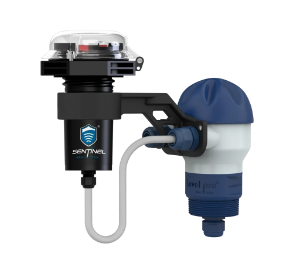
$1,713.95
Subject to factory lead times
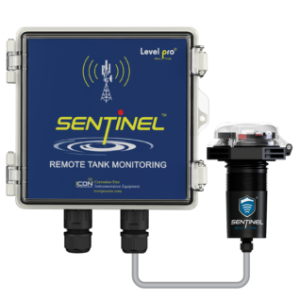
$2,024.67
Subject to factory lead times
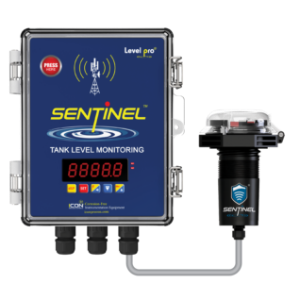
$2,249.67
Subject to factory lead times
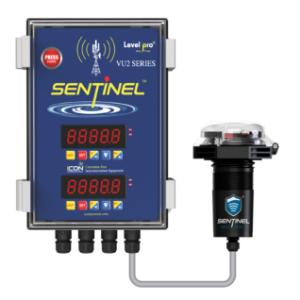
$2,817.54
Subject to factory lead times

$428.21
Subject to factory lead times
$1,049.78
Subject to factory lead times
$1,159.78
Subject to factory lead times
$1,049.78
Subject to factory lead times
$1,159.78
Subject to factory lead times
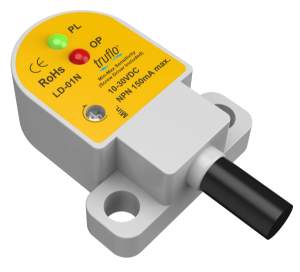
$289.24
Subject to factory lead times
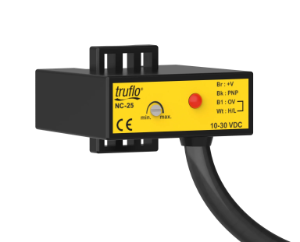
$184.58$199.95
Subject to factory lead times
$184.58$199.95
Subject to factory lead times
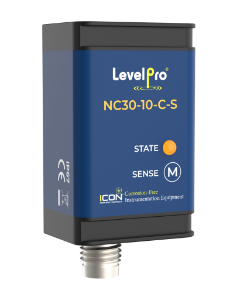
$369.20$399.95
Subject to factory lead times
$369.20$399.95
Subject to factory lead times
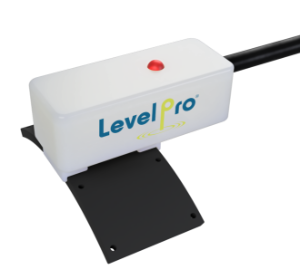
$175.35$189.95
Subject to factory lead times
$1,713.95
Subject to factory lead times
$2,024.67
Subject to factory lead times
$2,249.67
Subject to factory lead times
$2,817.54
Subject to factory lead times
$428.21
Subject to factory lead times
$1,049.78
Subject to factory lead times
$1,159.78
Subject to factory lead times
$1,049.78
Subject to factory lead times
$1,159.78
Subject to factory lead times
$289.24
Subject to factory lead times
$184.58$199.95
Subject to factory lead times
$184.58$199.95
Subject to factory lead times
$369.20$399.95
Subject to factory lead times
$369.20$399.95
Subject to factory lead times
$175.35$189.95
Subject to factory lead times