
Liquid Level
Liquid level control measures and manages the level of liquids in tanks, sumps and vessels. Reliable level control prevents overflows, protects pumps and keeps inventory and processes running smoothly.
Liqui...

A float switch is a simple, dependable way to monitor liquid level and automate pumps and alarms. As the liquid rises or falls, the float moves and opens or closes a circuit at the set point, with no complex setup or programming.
Common Uses
- Pump control – start and stop sump, lift station and transfer pumps
- High and low alarms – prevent overflows and dry running
- Tank filling – control solenoid valves and fill pumps
- Leak detection – sense water in pans and basements
Choosing a Float Switch
Select the mounting style that fits your tank (top, side or cable-suspended) and a float material compatible with the liquid, such as polypropylene, stainless or PVDF. Check the switch rating against your load and use a relay for larger pumps. Specific gravity affects how well the float works.
Centro offers float switches in many materials and styles for water, wastewater and chemical tanks.
Related categories: Liquid Level | Radar | Level Transmitters | Differential Pressure Control | Float Switches
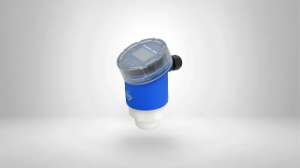
Liquid level radar products are devices that use radar technology to provide accurate and reliable measurements, even in challenging conditions such as high temperatures, pressures, and with corrosive or volatile liquids. Unlike traditional methods, radar level sensors are non-contact, meaning they do not touch the liquid, reducing the risk of contamination and wear. They are widely used in industries like oil and gas, water treatment, and chemical processing for their precision and durability. With real-time data and minimal maintenance requirements, liquid level radar products help optimize operations, improve safety, and ensure efficient inventory management. Share your tank height, media and process conditions, and our team will recommend a radar transmitter and antenna that gives a stable reading in your vessel.
Related categories: Liquid Level | Differential Pressure Control | Float Switch | Level Switches | Level Transmitters

Differential pressure liquid control products are essential components used in various applications to monitor and control the pressure difference between two points in a liquid system. These products are designed to measure the pressure drop across filters, pumps, valves, or other flow control devices. They are crucial in maintaining proper flow rates, preventing system damage, and ensuring optimal performance. Differential pressure liquid control products typically consist of a differential pressure transmitter or sensor, a flow element (such as an orifice plate, venturi tube, or flow nozzle), and associated piping and instrumentation. The transmitter or sensor detects the pressure difference and converts it into a proportional electrical signal, which can be used for monitoring, control, or alarm. These control products find applications in oil and gas, chemical processing, water and wastewater treatment, and HVAC systems. They help optimize system efficiency, improve process control, and ensure liquid systems' safe and reliable operation by providing accurate and real-time differential pressure measurements.
Related categories: Liquid Level | Level Switches | Radar | Level Sensors | Float Switch

Water gauges show water level in boilers, tanks and pressure vessels. Clear, dependable level indication is critical for safe boiler operation.
Water Gauge Products
- Gauge glass sets – tubular and reflex gauges
- Gauge valves – isolate glass for replacement
- Guard rods – protect glass
- Replacement glass and packing – maintenance
- Try cocks – backup level checks
Maintenance Tips
Blow down water gauges regularly and replace etched or cloudy glass. Use glass rated for boiler pressure and temperature.
Centro supplies water gauges and parts for boilers and tanks.
Related categories: Liquid Level | Level Sensors | Level Switches | Differential Pressure Control | Radar

Level transmitters give a continuous reading of how full a tank, vessel or silo is, usually as a 4-20 mA or digital signal sent to your PLC, display or SCADA system. That live reading supports inventory tracking, pump control, overfill prevention and batching.
Level Transmitter Technologies
- Radar – non-contact, unaffected by vapor, temperature or pressure
- Ultrasonic – economical non-contact measurement for water and wastewater
- Hydrostatic (submersible and flange-mount) – measure level from liquid head pressure
- Guided wave radar – reliable in foam, turbulence and interface applications
- Magnetostrictive and float – high-accuracy level for custody and inventory
Choosing a Transmitter
Look at the media, tank height, temperature, pressure and any foam, vapor, agitation or buildup. Non-contact radar and ultrasonic avoid wetted parts, while hydrostatic sensors are simple and cost-effective in open tanks. Check the process connection, output and hazardous area approvals.
Centro's instrumentation team can help you pick a level transmitter that handles your tank conditions reliably.
Related categories: Liquid Level | Float Switch | Float Switches | Radar | Differential Pressure Control
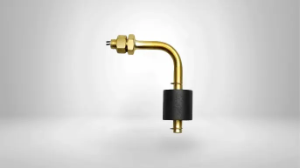
Liquid level switches detect when a liquid reaches a set point in tanks, sumps and vessels. They control pumps and valves and trigger high and low alarms.
Level Switch Types
- Float switches – simple, reliable switching
- Vibrating fork switches – unaffected by foam or turbulence
- Conductivity switches – conductive liquids
- Optical switches – compact point detection
- Capacitive switches – liquids and slurries
Choosing a Switch
Consider liquid type, temperature, pressure, buildup and mounting. Use an independent high-level switch for overfill protection.
Centro supplies liquid level switches for tanks and sumps.
Related categories: Liquid Level | Level Sensors | Differential Pressure Control | Water Gauges | Radar

Liquid level sensors detect or measure liquid in tanks and containers. They support pump control, inventory tracking and overfill protection.
Sensor Types
- Ultrasonic sensors – non-contact continuous level
- Capacitive sensors – point and continuous level
- Optical sensors – compact point detection
- Submersible pressure sensors – hydrostatic level
- Float sensors – simple, dependable
Choosing a Sensor
Consider liquid type, tank size, mounting and the output you need. Foam, vapor and buildup affect some technologies.
Centro supplies liquid level sensors.
Related categories: Liquid Level | Water Gauges | Level Switches | Differential Pressure Control | Radar

Float switches are one of the simplest and most dependable ways to sense liquid level. A buoyant float rises and falls with the liquid and opens or closes a switch at a set point to start a pump, stop a fill or trigger a high or low level alarm.
Float Switch Types
- Tethered cable floats – wide switching range for sumps and wastewater
- Vertical stem floats – compact, precise point level in tanks
- Side-mount floats – install through the tank wall
- Multi-point float switches – several level points on one stem
- Sanitary and chemical-resistant floats – stainless, PVDF and polypropylene
Choosing a Float Switch
Consider the liquid's specific gravity, temperature and chemical makeup, along with the tank's size and mounting options. Check the switch rating against the load. Many pumps need a relay or motor control panel. Avoid using floats in turbulent or heavily coated liquids unless they're designed for it.
Centro offers float switches for water, wastewater, chemical and process tanks, and can help you match material and mounting to your application.
Related categories: Liquid Level | Level Transmitters | Float Switch | Radar | Differential Pressure Control

Configure product to see pricing
Configure product to see pricing

Configure product to see pricing
Configure product to see pricing

Configure product to see pricing
Configure product to see pricing

Configure product to see pricing
Configure product to see pricing

Configure product to see pricing
Configure product to see pricing

$638.61

Subject to factory lead times
$713.34
Subject to factory lead times

Configure product to see pricing
Configure product to see pricing

$326.35
Subject to factory lead times

$2,722.44$2,904.00

$328.70
Subject to factory lead times

$1,177.03
Subject to factory lead times

$825.68
Subject to factory lead times

$686.46$823.75
Subject to factory lead times

$699.84$839.80
Subject to factory lead times

$1,040.63$1,248.75
Subject to factory lead times

$1,177.63$1,413.15
Subject to factory lead times

$4,809.08
Subject to factory lead times
Configure product to see pricing
Configure product to see pricing
Configure product to see pricing
Configure product to see pricing
Configure product to see pricing
Configure product to see pricing
Configure product to see pricing
Configure product to see pricing
Configure product to see pricing
Configure product to see pricing
$638.61
Subject to factory lead times
$713.34
Subject to factory lead times
Configure product to see pricing
Configure product to see pricing
$326.35
Subject to factory lead times
$2,722.44$2,904.00
$328.70
Subject to factory lead times
$1,177.03
Subject to factory lead times
$825.68
Subject to factory lead times
$686.46$823.75
Subject to factory lead times
$699.84$839.80
Subject to factory lead times
$1,040.63$1,248.75
Subject to factory lead times
$1,177.63$1,413.15
Subject to factory lead times
$4,809.08
Subject to factory lead times