
Valves - Spartan Scientific
Valves start, stop, throttle and protect the flow in your piping system. Centro stocks ball, butterfly, gate, globe, check, control and specialty valves for water, steam, air, chemicals and slurries, in both manual...

Solenoid valves provide fast, reliable on/off control of water, air, gas, oil, steam and chemicals using an electrical signal. They automate filling, dispensing, cooling, cleaning and safety shutoff in countless machines and systems.
Solenoid Valve Types
- 2-way valves – simple open/close flow control
- 3-way and 4-way valves – divert flow or operate actuators
- Direct-acting valves – work from zero pressure
- Pilot-operated valves – larger flows at line pressure
- Specialty valves – steam, fuel gas, cryogenic and proportional
Choosing a Solenoid Valve
Confirm the media, pressure range (including minimum pressure differential), temperature, port size and Cv. Choose body and seal materials compatible with the fluid, and select a coil voltage and enclosure rating for the location. Normally closed or normally open depends on the fail-safe state you need.
Centro carries solenoid valves for water, air, steam, gas and process applications.
Related categories: Valves | Sampling Valves | Plug Valves

Diaphragm valves are designed to regulate the flow of liquids and gases by using a flexible diaphragm to create a secure seal. These valves are ideal for applications where the transported media is corrosive, abrasive, or requires sanitary handling. Their simple yet effective design minimizes the risk of contamination, making them widely used in industries such as chemical processing, pharmaceuticals, food and beverage, and water treatment.
We offer a comprehensive selection of diaphragm valves in manual and pneumatic actuated designs to suit various operational needs. Whether you require precise hand-operated flow control or an automated valve for high-efficiency processing, we have the right solution.
Types of Diaphragm Valves We Offer
- Manual Diaphragm Valves – Hand-operated for precise control in low-pressure systems
- Pneumatic Actuated Diaphragm Valves – Use compressed air for automated on/off operation
- Weir-Type Diaphragm Valves – Provide excellent sealing for corrosive and particulate-laden fluids
- Straight-Through Diaphragm Valves – Offer minimal flow resistance for high-purity applications
- Sanitary Diaphragm Valves – Designed for hygienic industries, including food, beverage, and pharmaceuticals
Why Choose Diaphragm Valves from us?
- Superior sealing performance for corrosive, abrasive, and sanitary applications
- Available in a variety of materials, including stainless steel, plastic, and lined options
- Suitable for industries such as chemical processing, pharmaceuticals, biotechnology, and water treatment
- Sourced from trusted manufacturers to ensure durability, reliability, and compliance with industry standards
We provide high-quality diaphragm valves designed for long-lasting performance. Browse our selection and order online today, or contact our team for expert assistance in selecting the right valve for your application.
Related categories: Valves | Relief Valves and Vacuum Breakers | Pressure Reducing Valves | Pulse Valves

Pilot valves are critical for operating larger valves or control actuators in fluid control systems. These valves act as control mechanisms, receiving signals from external devices such as sensors, controllers, or other valves and initiating the opening or closing of the main valve or actuator. Pilot valves are commonly used in applications where high-pressure fluids or significant flow rates are involved, such as hydraulic systems, pneumatic systems, and industrial machinery. They provide reliable and precise control, ensuring efficient operation and safety. With various configurations and actuation methods available, including solenoid-operated, manual, or pilot-operated, pilot valves offer versatility and flexibility to meet specific system requirements.
Related categories: Valves | Proportional Valves | Microfluidic Valves | Pneumatic Control Valves | Hot Water and Steam Valves

Drain valves are essential components in fluid management systems, designed to control the flow and drainage of liquids and gases. These valves play a crucial role in various industries, ensuring the safe and efficient removal of unwanted fluids from pipelines, tanks, and other equipment. Whether it's for industrial, commercial, or residential applications, reliable drain valves help prevent leaks, maintain optimal system performance, and safeguard against potential hazards. With a wide range of materials, sizes, and configurations available, finding the perfect drain valve to suit specific needs has never been easier. Choose high-quality drain valves to enhance fluid control and maintain the integrity of your operations.
Related categories: Valves | Globe Valves | Valve Repair Kits & Parts | Mixing Valves | Gate Valves
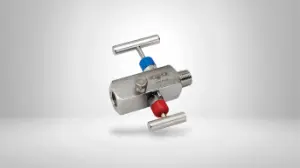
Valve accessories add control, feedback and protection to valves. Actuators, positioners, limit switches, handles and locking devices make valves easier and safer to run.
Accessories Available
- Actuators – pneumatic and electric automation
- Positioners – modulating control
- Limit switches – position feedback
- Gear operators and handwheels – manual operation
- Locking devices and extensions – safety and access
Choosing Accessories
Match valve type, size and mounting standard (ISO 5211). Choose environmental ratings for the installation.
Centro supplies valve accessories and automation packages.
Related categories: Valves | Gate Valves | Ball Valves | Valve Repair Kits & Parts

Proportional valves are advanced control valves that provide precise and proportional control over fluid flow rates or pressures. These valves are designed to accurately regulate the flow or pressure of liquids or gases in various industrial applications. Proportional valves offer the ability to adjust the valve opening or position in proportion to an input signal, typically an electrical or analog signal. This allows for fine-tuned control and modulation of the flow or pressure, enabling precise adjustments based on system requirements. Proportional valves are commonly used in automation, robotics, process control, and hydraulic systems, where precise and dynamic control is essential for optimal performance.
Related categories: Valves | Pneumatic Control Valves | Pilot Valves | Pneumatic Safety Valves | Microfluidic Valves

$65.19$68.45
Subject to factory lead times

$159.22$167.18
Subject to factory lead times

$201.04$211.10
Subject to factory lead times

$62.88$66.75
$62.88$66.75
Subject to factory lead times
$65.19$68.45
Subject to factory lead times
$159.22$167.18
Subject to factory lead times
$201.04$211.10
Subject to factory lead times
$62.88$66.75
$62.88$66.75
Subject to factory lead times
- Use a ball valve for simple on/off shutoff, a control valve when you need to regulate flow rate or pressure, and a check valve to prevent backflow. The choice comes down to whether you need to stop flow, control it, or protect against reverse flow.
- Cv is the flow coefficient — how much water a valve passes at a given pressure drop. Full port means the valve opening matches the pipe diameter for unrestricted flow; regular port is slightly smaller. End connections describe how the valve connects to pipe (NPT threads, flanges, etc.). Body material determines compatibility with your media and environment — brass, stainless, and PVC are the most common.
- Start with your required Cv based on flow rate and pressure drop. Then confirm the valve's pressure and temperature ratings exceed your system's maximums. Undersizing causes excessive pressure drop; oversizing reduces control precision. Always size for your actual operating conditions, not system maximums.
- Fail-open means the valve opens if power or signal is lost; fail-closed means it closes — critical for safety applications. NPT is a threaded connection best for smaller pipes and lower pressures. Flanged connections bolt between pipe flanges and are preferred for larger pipes, high pressure, or applications requiring frequent removal.
- Ball valves use a rotating ball for fast quarter-turn shutoff and are ideal for frequent operation. Gate valves use a rising gate for full open/close and are better for infrequent operation where minimal flow restriction matters. Ball valves are generally more reliable, longer lasting, and easier to operate.
- Because no single valve works well in every application. Pressure, temperature, media type, flow control needs, pipe size, and safety requirements all vary dramatically across industries. Each valve type is engineered to solve a specific set of those problems efficiently.
- Ball valves offer tighter shutoff and are better for smaller lines or where zero leakage matters. Butterfly valves are lighter, more compact, and more cost-effective for larger diameter pipes. For high-volume water flow in large lines, butterfly valves are typically the practical choice.
- Look for stainless steel or carbon steel body construction, graphite or metal seat materials, and valves rated for your specific pressure-temperature combination. Globe valves and ball valves with metal seats are commonly used in high-temp applications. Always verify the valve's published P-T rating before specifying.
- Match the valve type to your application (shutoff, control, or check). Verify body material compatibility with your media. Confirm pressure and temperature ratings exceed operating conditions. Consider end connection type, actuation method, and maintenance requirements. When in doubt, over-specify on pressure rating rather than under.