
Industrial Filtration - Clemco
Industrial filtration protects equipment, products and people by removing contaminants from liquids, gases and air. Clean process fluids extend pump and valve life, improve product quality and help plants meet envi...

Blasting equipment depends on wear parts that need regular replacement. Nozzles, hoses, valves and couplings take a constant beating from abrasive media, and keeping spares on hand prevents downtime and keeps blasting productive and safe.
Parts & Accessories
- Blast nozzles – tungsten carbide, silicon carbide and boron carbide in many bore sizes
- Blast hose and couplings – abrasion-resistant hose with quick-connect fittings
- Metering valves – control the media-to-air ratio
- Deadman and remote controls – required safety shutoffs for operators
- Moisture separators and filters – keep blast air dry so media flows freely
Maintenance Tips
Replace a nozzle when its bore has worn about 1/16" past its original size, because a worn nozzle eats up air and slows production. Inspect hose for soft spots and check couplings and gaskets for leaks every shift. Matching nozzle size to your compressor's output gives the best blasting speed.
Centro carries blasting parts and accessories for pots and cabinets, so you can keep your equipment running without waiting on parts.
Related categories: Blast Cleaning | Blasting Pots | Blasting Safety

Blasting pots are portable pressure vessels that feed abrasive media to blast nozzles. They're the core of open blasting for structures, tanks, equipment and large parts.
Blast Pot Options
- Pot sizes – from small portable units to large production pots
- Metering valves – control media flow
- Remote controls – deadman safety shutoffs
- Moisture separators – dry air for consistent flow
- ASME-rated vessels – safe operation
Choosing a Pot
Size the pot for media capacity and compressor output. Choose valves and controls suited to your media.
Centro supplies blasting pots and accessories.
Related categories: Blast Cleaning | Blasting Parts and Accessories | Blasting Safety
Blasting safety products protect operators from abrasive rebound, dust, noise and contaminated air. Proper safety equipment is essential and required by OSHA.
Safety Products
- Blast helmets and hoods – supplied air respiratory protection
- Blast suits and gloves – abrasion protection
- Breathing air filters – clean air supply
- CO monitors – detect carbon monoxide in breathing air
- Replacement lenses and parts – maintain gear
Choosing Equipment
Select NIOSH-approved respirators and maintain breathing air quality. Replace worn gear promptly.
Centro supplies blasting safety equipment.
Related categories: Blast Cleaning | Blasting Pots | Blasting Parts and Accessories

Compressed air parts and accessories keep air systems running efficiently. Replacement elements, gauges, fittings and service kits maintain filters, dryers and drains.
Parts & Accessories
- Filter elements – replacement cartridges for housings
- Service kits – seals, valves and drains
- Gauges and indicators – pressure and differential pressure
- Fittings and couplers – connections and quick disconnects
- Hose and reels – point-of-use distribution
Maintenance Tips
Replace filter elements at least annually and check drains regularly. Fixing leaks in fittings and hoses cuts compressor energy costs.
Centro supplies compressed air parts and accessories.
Related categories: Compressed Air | Filter Elements | Drains
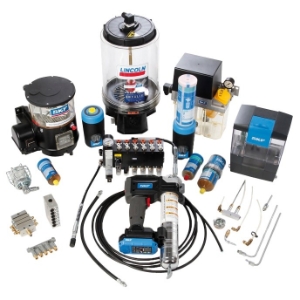
Lubrication equipment is the unsung hero behind the seamless operation of machinery across diverse industries. Its significance lies in its ability to ensure optimal performance and durability of critical components. This versatile range of tools encompasses automated lubrication systems, the backbone of heavy machinery, and precision lubrication instruments designed for the most intricate mechanical parts. By mitigating friction and wear, lubrication equipment not only extends the lifespan of machinery but also safeguards against corrosion and dissipates excess heat, maintaining machinery efficiency at its peak. From gears that turn without a hitch to bearings that glide effortlessly, adequate lubrication is the linchpin of smooth machinery operation. Moreover, it goes beyond mere upkeep; it reduces downtime, cost savings, and heightened overall productivity. In the intricate world of machinery maintenance, lubrication equipment stands tall as the cornerstone of reliability and performance.
Related categories: Automation and Robotics | Configured Drives | Vision | Laser Markers | Robotics

$12.26$13.13
Subject to factory lead times

$46.55$49.88
Subject to factory lead times

$23.52$25.20
Subject to factory lead times

$7.70$8.24
Subject to factory lead times

$7.70$8.24
Subject to factory lead times

$5.30$5.67
Subject to factory lead times

$6.26$6.70
Subject to factory lead times

$5.79$6.18
Subject to factory lead times

$6.27$6.70
Subject to factory lead times

$950.58$1,018.50
Subject to factory lead times

$43.20$46.28
$46.11$49.40

$21.36$22.88
$23.30$24.96
$28.15$30.16

$16.51$17.68
Subject to factory lead times
$17.47$18.72
$19.90$21.32
$20.87$22.36

$20.39$21.84
Subject to factory lead times

$20.39$21.84
Subject to factory lead times

$22.32$23.92
Subject to factory lead times

$24.27$26.00
Subject to factory lead times

$37.86$40.56
Subject to factory lead times
$12.26$13.13
Subject to factory lead times
$46.55$49.88
Subject to factory lead times
$23.52$25.20
Subject to factory lead times
$7.70$8.24
Subject to factory lead times
$7.70$8.24
Subject to factory lead times
$5.30$5.67
Subject to factory lead times
$6.26$6.70
Subject to factory lead times
$5.79$6.18
Subject to factory lead times
$6.27$6.70
Subject to factory lead times
$950.58$1,018.50
Subject to factory lead times
$43.20$46.28
$46.11$49.40
$21.36$22.88
$23.30$24.96
$28.15$30.16
$16.51$17.68
Subject to factory lead times
$17.47$18.72
$19.90$21.32
$20.87$22.36
$20.39$21.84
Subject to factory lead times
$20.39$21.84
Subject to factory lead times
$22.32$23.92
Subject to factory lead times
$24.27$26.00
Subject to factory lead times
$37.86$40.56
Subject to factory lead times
- Manufacturing plants use a variety of filtration systems depending on the media being filtered and the contaminants being removed. Liquid filtration systems — including bag filters, cartridge filters, and automatic self-cleaning strainers — remove particulates from process water, chemicals, coatings, and other fluids to protect equipment and maintain product quality. Gas filtration and separation systems remove particulates, oil aerosols, water vapor, and other contaminants from compressed air and process gas streams to protect pneumatic equipment, instrumentation, and downstream products. Strainers (Y-strainers and basket strainers) are installed in pipelines to catch large debris that could damage pumps, valves, and control equipment. Dust filtration systems — including dust collectors with cartridge or bag media — capture airborne particulates generated by grinding, sanding, cutting, conveying, and material handling operations to protect workers and meet OSHA air quality standards. Filter housings hold the filter elements and provide the pressure containment needed for the application's flow rate and operating conditions.
- Bag filters and cartridge filters are both used for liquid filtration, but they differ in design, capacity, and application fit. A bag filter is a flexible fabric or felt pouch that sits inside a filter housing — liquid flows from outside the bag through the media to the inside, trapping particles on the outer surface and within the media. Bag filters handle high flow rates, are cost-effective per unit of filtration area, and are easy to change. They are the standard choice for applications with moderate to heavy particle loads where micron ratings of 1 to 200 microns are sufficient — such as water treatment, chemical processing, paints, and food and beverage production. A cartridge filter is a rigid or semi-rigid cylindrical element (pleated, wound, or melt-blown media) that typically provides finer filtration and higher efficiency than bag filters, with ratings available down to sub-micron levels. Cartridges offer more surface area in a smaller footprint, making them ideal for applications requiring tight particle control, lower volume flows, or polishing filtration after a coarser first-stage filter.
- Filter media material selection depends on the fluid chemistry, temperature, particle characteristics, and regulatory requirements. Polypropylene is the most widely used industrial filter media — it offers broad chemical compatibility (resistant to most acids, bases, and solvents), is FDA compliant for food and beverage applications, and is cost-effective. It is available in melt-blown, spun-bonded, and pleated configurations. Polyester provides higher temperature resistance than polypropylene (up to approximately 300°F) and excellent mechanical strength, making it well suited for higher-temperature liquid applications. Nylon (polyamide) offers good chemical resistance and is commonly used in monofilament woven mesh bag filters for applications requiring precise pore-size surface filtration and bag reusability. Stainless steel mesh and sintered metal media are specified for high-temperature, high-pressure, and aggressive chemical applications where polymer media would degrade. Nomex is used in high-temperature applications such as hot oil filtration and dust collection at elevated temperatures. PTFE media provides universal chemical resistance for the most aggressive acids and solvents. Always verify the media material's compatibility with your specific fluid and operating temperature.
- A filter housing is the pressure vessel that contains the filter element (bag or cartridge) and provides the connections for inlet and outlet piping. The housing seals the process fluid inside, directs flow through the filter media, and allows operators to access the element for replacement. Choosing the right housing involves several factors: the number and size of filter elements it holds (which determines flow capacity), the pressure rating (must exceed the maximum system pressure plus a safety margin), the material of construction (carbon steel for general industrial service, stainless steel 304 or 316 for corrosive fluids, food-grade, or pharmaceutical applications), the connection type and size (NPT threaded, flanged, or sanitary tri-clamp), and the element type it accepts (standard bag sizes #1 through #4, or specific cartridge lengths of 10, 20, 30, or 40 inches). Single-bag housings are the most common for moderate flow rates, while multi-bag housings handle higher flows. Multi-cartridge housings hold several cartridges in parallel for high-volume, fine-filtration applications. Always size the housing to handle peak flow without exceeding the recommended differential pressure.
- An automatic self-cleaning filter continuously removes captured contaminants from its filter element without shutting down the flow or requiring manual intervention. When the differential pressure across the element reaches a setpoint (indicating the element is loaded with contaminants), the system automatically initiates a backwash, scraper, or suction-scanning cycle that cleans the element and discharges the collected debris to drain. The filtered process flow continues uninterrupted during cleaning. Automatic self-cleaning filters are the right choice when the contaminant load is heavy and continuous — meaning manual filter bag or cartridge changes would be required so frequently that labor cost, downtime, and waste disposal become impractical. Common applications include cooling water systems, river or well water intake protection, wastewater reuse, industrial process water loops, and any high-volume, continuous-flow application where filter element changes multiple times per day would be operationally burdensome. The higher upfront cost of an automatic filter is offset by dramatically reduced labor, filter media consumption, and downtime compared to manually changed bag or cartridge systems in heavy-duty service.