
Pneumatic and Electronic Controls - Yaskawa
Centro provides various products, including valves, motion control, electrical enclosures, HMIs, power tools, and electric control systems. In addition to these products, we offer compressed air products to power p...
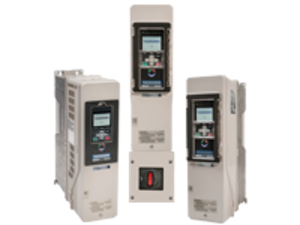
Variable Frequency Drives (VFDs) are electronic devices used to control the speed and torque of electric motors by varying the frequency and voltage of the supplied power. They are widely used in industrial and commercial applications to optimize energy consumption, improve motor control, and enhance system performance. VFDs enable precise speed control, soft starting, and acceleration, reducing mechanical stress and energy waste. They provide flexibility in adjusting motor speed to match specific process requirements, resulting in energy savings and increased efficiency. With features like built-in protection, advanced control algorithms, and communication capabilities, VFDs offer reliable and efficient motor control solutions for various applications.
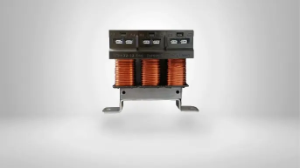
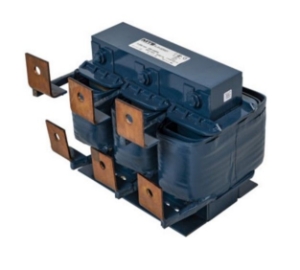
Line reactors and output filters protect variable frequency drives (VFDs) and connected motors by reducing harmonic distortion, voltage spikes, and electrical noise in industrial power systems. Line reactors are installed on the input side to improve power quality and extend drive life, while output filters condition the waveform on the motor side to prevent insulation damage and overheating. Together, they enhance system reliability, reduce downtime, and ensure smooth, efficient motor operation in demanding environments.
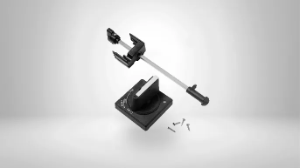
Motor control parts are used to manage and regulate the operation of electric motors in various industrial and commercial applications. They include devices such as contactors, relays, motor starters, and variable frequency drives (VFDs), which control motor speed, direction, and protection. These parts are for smooth motor operation, energy efficiency, and safety in machinery, HVAC systems, and automation equipment. Browse our selection below or contact us to speak with a product expert.
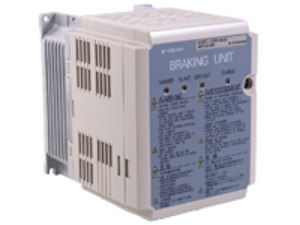
Braking resistors and regenerative converters manage excess energy generated during motor deceleration in industrial drive systems, preventing overvoltage faults and improving system stability. Braking resistors dissipate surplus energy as heat in high-inertia applications, while regenerative converters feed that energy back into the power grid for improved efficiency and energy savings.
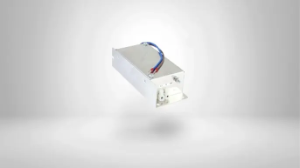
EMC filters, or electromagnetic compatibility filters, suppress conducted electrical noise and reduce electromagnetic interference (EMI) in industrial power systems, ensuring compliance with regulatory standards and protecting sensitive equipment. Installed at the input of drives, power supplies, and control panels, these filters improve signal integrity, prevent malfunction, and enhance overall system reliability in environments with high electrical noise. Essential for maintaining stable operation in automated and mission-critical industrial applications, EMC filters are a key component in modern electrical design.
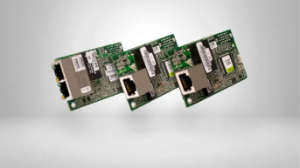
Drive communication systems enable seamless data exchange between variable frequency drives (VFDs), PLCs, HMIs, and industrial control networks, supporting real-time monitoring, diagnostics, and precise motor control. Utilizing protocols like EtherNet/IP, Modbus, PROFINET, and DeviceNet, these interfaces integrate drives into complex automation architectures, improving system responsiveness, reducing downtime, and enabling predictive maintenance. Robust drive communication ensures interoperability and visibility across industrial environments demanding high-performance motion and process control.
Circuit protection fuses are important for preventing electrical equipment from damage due to excessive currents. They work by cutting off electricity flow when currents surpass safe levels, ensuring safety and preventing potential fires. These fuses come in various types and are widely used in automotive, electronics, and industrial sectors to safeguard against short circuits and overloads. Their sturdy design and precise operation make them essential for maintaining reliability in electrical systems. Browse our selection below or contact us to speak to a product expert.
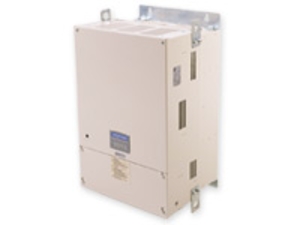
Industrial phase converters enable reliable three-phase power from single-phase sources, allowing heavy-duty equipment like CNC machines, conveyors, compressors, and industrial pumps to operate in facilities without utility-supplied three-phase service. Engineered for high-performance, continuous-duty applications, these converters—available in rotary, digital, and static configurations—deliver balanced voltage, reduced harmonics, and efficient motor performance across demanding manufacturing and processing environments.
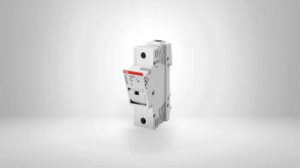
Fuse blocks and holders are used to securely mount and protect fuses in electrical circuits. These components provide a safe housing for fuses, ensuring proper electrical isolation and preventing damage from overcurrent conditions. Fuse blocks and holders come in various types, including panel-mounted, DIN rail-mounted, and fuse clips, accommodating different circuit configurations and current ratings. Browse our selection below or contact us to speak with a product expert.
Centro carries a complete selection of motor control products available to purchase online. Industrial motor controllers are devices that regulate the speed and torque of an electric motor. VFDs control the speed of an AC induction motor's speed by varying the power supply frequency. DC drives do the same thing but for DC motors. On the other hand, soft starters gradually ramp the voltage to an electric motor to avoid mechanical stress and electrical damage that can occur when starting a motor from a dead stop. Industrial motor controllers are used in various applications where precise control of an electric motor is required, such as in pumps, fans, compressors, conveyors, and machine tools. Motor control products carried by Centro include contactors, variable frequency drives, DC drives, and soft starters. These products are available in various sizes and configurations to suit any application. Whether you need a simple contactor for a small motor or a complex multi-drive system for an extensive industrial process, Centro has the products you need to get the job done. Please browse our website to learn more.
Subject to factory lead times

Subject to factory lead times
Subject to factory lead times
Subject to factory lead times
Subject to factory lead times
Subject to factory lead times
Subject to factory lead times
Subject to factory lead times
Subject to factory lead times
Subject to factory lead times
Subject to factory lead times
Subject to factory lead times
Subject to factory lead times
Subject to factory lead times
Subject to factory lead times
Subject to factory lead times
Subject to factory lead times
Subject to factory lead times
Subject to factory lead times
Subject to factory lead times
Subject to factory lead times
Subject to factory lead times
Subject to factory lead times
Subject to factory lead times
- Selecting the right pneumatic cylinder starts with defining the four core parameters of your application. Define four core parameters: bore size (force output = pressure × piston area, plus a 25–50% safety factor), stroke length (match to required travel, avoid excess), mounting style (fixed, flange, or pivot to suit your mechanical arrangement), and environment (standard, washdown, or food-grade seals). Speed is controlled by external flow valves, not cylinder selection. For precise positioning, consider a guided or rodless cylinder with position sensing rather than a standard unit.
- A soft starter ramps voltage at startup to limit inrush current and reduce mechanical shock, then steps aside once the motor reaches full speed. Use one when smooth starting is your only requirement. A VFD controls motor speed continuously throughout operation, making it the right choice whenever the process needs variable speed — conveyors, pumps, fans — and it delivers significant energy savings in centrifugal applications. If you only need a gentle start, use a soft starter. If you need speed control at any point during operation, invest in a VFD.
- PLCs are purpose-built for industrial environments — they tolerate heat, vibration, and electrical noise while executing control logic in deterministic millisecond scan cycles. They replace hardwired relay logic with reprogrammable software, making process changes fast and inexpensive. Built-in diagnostics centralize fault visibility and cut troubleshooting time. Modern PLCs integrate with HMIs, SCADA, and enterprise networks via standard protocols, enabling real-time data collection. Modular architecture means the system scales as the application grows.
- Start with the NEMA or IP rating: NEMA 1 for basic indoor use, NEMA 4/4X for washdown and outdoor exposure (4X adds corrosion resistance), NEMA 7/9 for hazardous classified locations. Size the enclosure with 20–30% spare interior space for future additions and adequate heat dissipation. Choose material based on environment — painted steel for standard indoor use, stainless for washdown or chemical exposure, fiberglass for highly corrosive areas. Verify any required certifications (UL, CSA, ATEX) before specifying.
- Solenoid valves are electrically actuated and can be triggered instantly by a PLC or control system, making them essential for automated, repeatable, or high-cycle applications. Manual directional control valves require a person to physically shift the valve and are appropriate for infrequent operations, manual overrides, or applications with no control system. In practice, most automated systems use solenoid valves for normal operation with a manual override built in for setup, maintenance, and emergency use. If the valve must respond to a signal, cycle repeatedly, or operate unattended, solenoid is the correct choice.