
Pneumatic and Electronic Controls - Phoenix Contact
We provide various products, including valves, motion control, electrical enclosures, HMIs, power tools, and electric control systems. In addition to these products, we offer compressed air products to power pneuma...

Electrical controls switch and signal the operation of motors, lighting and machines. Contactors, relays and indicator lights form the backbone of control panels.
Electrical Control Products
- Control and lighting contactors – switch loads
- General purpose and timing relays – logic and delays
- Miniature contactors and accessories – compact control
- Indicator lights – status and alarm display
- Control accessories – contact blocks and legend plates
Choosing Controls
Match voltage, load ratings and coil voltage. Standardizing on one product family simplifies spares and design.
Centro supplies electrical controls for panel builders and maintenance teams.
Shop by type: Miniature Contactor Accessories | Control Contactors | Control Accessories | Lighting Contactors | Indicator Lights | General Purpose Relays | Timing Relays | Miniature Contactors
Related categories: Pneumatic and Electronic Controls | Specialty and Industry Specific Products | Uninterrupted Power Supplies | Valve Systems | Standard Power Supplies
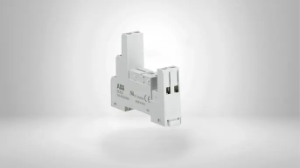
Control accessories complete push buttons, selector switches and pilot devices on control panels. Contact blocks, legend plates, guards and enclosures let you configure operator controls for each machine.
Accessories Available
- Contact blocks – normally open and normally closed
- Legend plates – clear function labeling
- Protective guards and boots – prevent accidental operation
- Push button enclosures – remote and pendant stations
- LED lamp modules – illuminated devices
Choosing Accessories
Accessories are series-specific, so match them to your operator brand and size (22 mm or 30 mm). Use standardized colors and legends for safety.
Centro supplies control accessories for operator devices.
Related categories: Electrical Control | Lighting Contactors | Control Contactors | Indicator Lights | Miniature Contactor Accessories
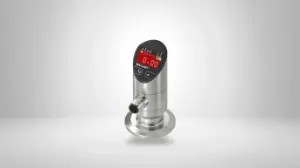
Industrial sensors monitor humidity, gas, flame, moisture and dew point to protect people, products and equipment. They feed critical data to control and safety systems.
Sensor Categories
- Humidity sensors – HVAC and environmental control
- Gas detection sensors – toxic and combustible gases
- Flame detection sensors – burner and fire safety
- Moisture in oil sensors – lubrication and transformer monitoring
- Dew point sensors – compressed air and gas dryness
Choosing a Sensor
Define what you need to measure, the range, accuracy and output signal, plus environmental and hazardous area ratings. Plan for calibration and maintenance.
Centro supplies industrial sensors for monitoring and safety applications.
Shop by type: Humidity Sensors | Gas Detection Sensors | Moisture in Oil Sensors | Dew Point Sensors
Related categories: Instrumentation, Measurement and Control | Analytical Tools | Instrument/Compression Fittings | Level Control | Recorders

$588.87
$413.68
Subject to factory lead times
$1.73$1.91
$19.42
$58.38
$23.97
$77.59
$32.28
$10.81
$11.61
$46.47
$21.68
$9.68
$16.24
$6.05$6.24
$15.99
$23.04
$12.71
$11.01$11.35
$2.14$2.20
$6.56$6.76
$5.65$5.82
$1.96
$14.59$15.05
$588.87
$413.68
Subject to factory lead times
$1.73$1.91
$19.42
$58.38
$23.97
$77.59
$32.28
$10.81
$11.61
$46.47
$21.68
$9.68
$16.24
$6.05$6.24
$15.99
$23.04
$12.71
$11.01$11.35
$2.14$2.20
$6.56$6.76
$5.65$5.82
$1.96
$14.59$15.05
- Selecting the right pneumatic cylinder starts with defining the four core parameters of your application. Define four core parameters: bore size (force output = pressure × piston area, plus a 25–50% safety factor), stroke length (match to required travel, avoid excess), mounting style (fixed, flange, or pivot to suit your mechanical arrangement), and environment (standard, washdown, or food-grade seals). Speed is controlled by external flow valves, not cylinder selection. For precise positioning, consider a guided or rodless cylinder with position sensing rather than a standard unit.
- A soft starter ramps voltage at startup to limit inrush current and reduce mechanical shock, then steps aside once the motor reaches full speed. Use one when smooth starting is your only requirement. A VFD controls motor speed continuously throughout operation, making it the right choice whenever the process needs variable speed — conveyors, pumps, fans — and it delivers significant energy savings in centrifugal applications. If you only need a gentle start, use a soft starter. If you need speed control at any point during operation, invest in a VFD.
- PLCs are purpose-built for industrial environments — they tolerate heat, vibration, and electrical noise while executing control logic in deterministic millisecond scan cycles. They replace hardwired relay logic with reprogrammable software, making process changes fast and inexpensive. Built-in diagnostics centralize fault visibility and cut troubleshooting time. Modern PLCs integrate with HMIs, SCADA, and enterprise networks via standard protocols, enabling real-time data collection. Modular architecture means the system scales as the application grows.
- Start with the NEMA or IP rating: NEMA 1 for basic indoor use, NEMA 4/4X for washdown and outdoor exposure (4X adds corrosion resistance), NEMA 7/9 for hazardous classified locations. Size the enclosure with 20–30% spare interior space for future additions and adequate heat dissipation. Choose material based on environment — painted steel for standard indoor use, stainless for washdown or chemical exposure, fiberglass for highly corrosive areas. Verify any required certifications (UL, CSA, ATEX) before specifying.
- Solenoid valves are electrically actuated and can be triggered instantly by a PLC or control system, making them essential for automated, repeatable, or high-cycle applications. Manual directional control valves require a person to physically shift the valve and are appropriate for infrequent operations, manual overrides, or applications with no control system. In practice, most automated systems use solenoid valves for normal operation with a manual override built in for setup, maintenance, and emergency use. If the valve must respond to a signal, cycle repeatedly, or operate unattended, solenoid is the correct choice.