
Categories from ASCO (30)

Solenoid valves provide fast, reliable on/off control of liquids and gases by utilizing an electric coil to actuate the valve. Compact and efficient, they integrate seamlessly into automated systems for applications such as cooling, lubrication, chemical dosing, and process isolation. Available in a variety of materials and designs to handle different pressures, temperatures, and media.

Pilot valves are critical for operating larger valves or control actuators in fluid control systems. These valves act as control mechanisms, receiving signals from external devices such as sensors, controllers, or other valves and initiating the opening or closing of the main valve or actuator. Pilot valves are commonly used in applications where high-pressure fluids or significant flow rates are involved, such as hydraulic systems, pneumatic systems, and industrial machinery. They provide reliable and precise control, ensuring efficient operation and safety. With various configurations and actuation methods available, including solenoid-operated, manual, or pilot-operated, pilot valves offer versatility and flexibility to meet specific system requirements.

Fuel, Gas, and Oil Valves are specialized devices designed to control fuel, gas, and oil flow and regulation within various industrial applications. These valves ensure safe and efficient operation by managing the delivery and distribution of these volatile fluids. With robust construction and materials resistant to corrosion and high temperatures, they provide reliable performance in demanding environments. Fuel, Gas, and Oil Valves are crucial components in industries such as oil and gas, automotive, power generation, and heating systems, where precise control and safety are paramount.
Hot Water and Steam Valves are essential components designed to control and regulate the flow of hot water and steam in various applications. These valves are specifically engineered to withstand high temperatures and pressures, ensuring reliable operation in heating systems, steam boilers, industrial processes, and other applications requiring hot water or steam control. With durable materials and robust construction, these valves provide precise control and help maintain system efficiency and safety. Hot Water and Steam Valves are widely used in industries such as HVAC, power generation, manufacturing, and commercial buildings where reliable and efficient hot water and steam management is crucial.
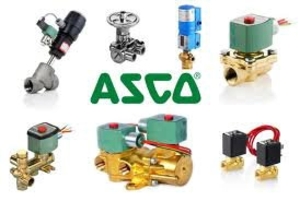
Valve repair kits and parts are essential components used to maintain and repair valves in fluid control systems. These kits typically include seals, gaskets, o-rings, springs, and other necessary parts needed to restore or replace worn or damaged elements of a valve. Valve repair kits and parts enable the repair and refurbishment of valves, extending their lifespan and ensuring proper functioning. By using these kits, operators can quickly and cost-effectively address valve issues without requiring complete valve replacement. These kits are available for different types and sizes of valves, allowing for specific repairs tailored to the valve's design and requirements. Valve repair kits and parts are essential for industries such as manufacturing, petrochemicals, water treatment, and HVAC, where reliable valve performance is crucial.
Cryogenic valves are designed to operate in extremely low-temperature environments, typically below -150°C (-238°F). These valves are engineered with materials and components that can withstand the challenges posed by cryogenic conditions, such as thermal contraction and brittleness. They are essential for safely and efficiently controlling cryogenic fluids like liquid nitrogen, oxygen, or liquefied natural gas (LNG). Cryogenic valves are built to minimize heat transfer and prevent the freezing of internal components, ensuring reliable performance and preventing leaks. They find applications in aerospace, medical, energy, and research, where precise and secure control of cryogenic fluids is crucial. These valves are designed to maintain safety, reliability, and efficiency in low-temperature environments.
Valve accessories are additional components that enhance the functionality and performance of valves in fluid control systems. These accessories are designed to provide other features, improve safety, or simplify maintenance of the valves. Valve accessories enhance the reliability, efficiency, and safety of valve operations, making them essential for various industries such as oil and gas, chemical processing, water treatment, and power generation.
Microfluidic valves are miniature valves specifically designed for controlling and manipulating small volumes of fluids at the microscale level. These valves play a crucial role in microfluidic systems, used in various fields such as biomedical research, pharmaceuticals, chemical analysis, and diagnostics. Microfluidic valves enable precise and automated fluid flow control, allowing for the accurate routing, mixing, and metering of fluids on a micro scale. They are typically made from materials compatible with biological samples and can be actuated using pneumatic, mechanical, or electrostatic methods. These valves offer high accuracy, low dead volume, and fast response times, making them ideal for applications requiring precise fluid handling at small scales.

Pulse valves are specialized valves used in pulse-jet dust collection systems commonly found in industrial settings. These valves are specifically designed to provide efficient and reliable cleaning of dust collector filter bags or cartridges. Pulse valves release short bursts or pulses of compressed air into the filter bags, creating a shockwave that dislodges accumulated dust particles, allowing them to fall into the collection hopper. This cleaning process helps maintain the effectiveness and longevity of the filtration system. Pulse valves are known for their rapid response, high flow capacity, and durability in demanding environments. They are widely used in manufacturing, mining, and energy industries, where effective dust control is essential for maintaining air quality and preventing equipment damage.

Angle seat valves, also known as angle valves or angle-seat piston valves, are versatile and reliable devices used in fluid control systems. These valves feature a unique design with a 90-degree angle between the inlet and outlet ports, allowing for efficient flow control and excellent sealing capabilities. The valve body typically houses a piston that can be pneumatic or electric in response to the actuator. This movement controls the flow of the fluid, allowing precise regulation and shut-off. Angle seat valves are widely used in applications requiring accurate control of liquids or gases, such as industrial processes, water treatment systems, and HVAC systems. They are known for their durability, high flow capacity, and contaminant resistance, making them a popular choice in various industries.

Proportional valves are advanced control valves that provide precise and proportional control over fluid flow rates or pressures. These valves are designed to accurately regulate the flow or pressure of liquids or gases in various industrial applications. Proportional valves offer the ability to adjust the valve opening or position in proportion to an input signal, typically an electrical or analog signal. This allows for fine-tuned control and modulation of the flow or pressure, enabling precise adjustments based on system requirements. Proportional valves are commonly used in automation, robotics, process control, and hydraulic systems, where precise and dynamic control is essential for optimal performance.

Flow control valves are essential devices used in fluid control systems to regulate the flow rate within a pipeline or system. These valves allow for precise adjustment of flow rates, ensuring optimal performance and efficiency. By controlling the opening or closing of the valve or by using throttling mechanisms, flow control valves can increase or decrease the flow rate as desired. This enables operators to maintain stable flow conditions, prevent fluid overload, and achieve accurate flow control for various applications. Flow control valves are commonly used in manufacturing, oil and gas, water treatment, and HVAC systems, where precise flow management is critical for operational success.

Filter regulator combos combine the functions of air filtration and pressure regulation into a single unit, offering a compact and space-saving solution for compressed air systems. These combos feature integrated filters and regulators, allowing users to remove contaminants and control pressure in a streamlined manner. By combining these two functions, filter regulator combos simplify installation, reduce piping, and minimize pressure drop. They provide efficient and reliable air treatment, ensuring clean and regulated air supply to pneumatic equipment and systems. Filter regulator combos are commonly used in applications where space is limited or when a compact air preparation unit is required.
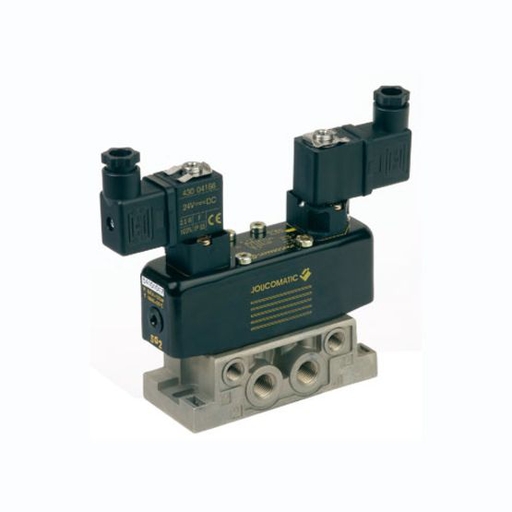
Pneumatic control valves are essential components used in pneumatic systems to regulate and control the flow of compressed air or gas. These valves are crucial in various industrial applications, including automation, manufacturing, and process control. Pneumatic control valves are designed to receive signals from pneumatic controllers or other control devices, allowing for precise airflow, pressure, and direction adjustment. By opening or closing specific ports or channels, these valves enable the efficient control of pneumatic actuators, such as cylinders or motors. They offer fast response times, high repeatability, and reliable operation, making them ideal for applications requiring precise and dynamic control of pneumatic systems.

Pneumatic directional control valves are pivotal components within pneumatic systems, responsible for determining the path of compressed air flow and subsequently controlling the movement of actuators. These valves govern the direction in which air travels, enabling the activation and deactivation of pneumatic cylinders or other actuators that perform mechanical tasks. With the ability to switch between multiple ports, pneumatic directional control valves facilitate intricate automation processes, allowing machinery to execute precise movements and sequences. Whether in manufacturing lines, robotics, or other industrial settings, these valves are indispensable for achieving efficient and accurate motion control, contributing to enhanced productivity and streamlined operations.
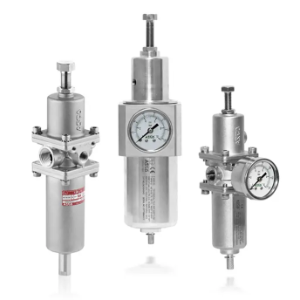
Pneumatic accessories are additional components and devices that enhance the functionality and performance of pneumatic systems. These accessories provide expanded capabilities and increased efficiency in controlling and operating pneumatic actuators, valves, and other pneumatic equipment. Pneumatic accessories play a vital role in optimizing pneumatic system performance, ensuring reliable operation, and enhancing overall productivity in industries such as manufacturing, automation, and industrial processes.
Directional control valves are the backbone of hydraulic and pneumatic systems, managing the flow and direction of fluids to keep operations running smoothly. Whether you need to move a hydraulic cylinder, power a motor, or automate a system, these valves help direct fluid where it needs to go. They are essential in manufacturing, construction, and automation, ensuring precision and efficiency in fluid-powered equipment.
What Types of Directional Control Valves Are Available?
At Centro, we offer a variety of directional control valves to fit different system needs:
- Solenoid-operated valves – Use electrical signals for fast and automated fluid control.
- Manual directional valves – Controlled by hand levers or push buttons for simple, direct operation.
- Pilot-operated valves – Utilize hydraulic or pneumatic pressure to control larger fluid flows with minimal effort.
- Spool valves – Efficiently switch fluid paths to direct flow as needed.
How to Choose the Right Directional Control Valve
Finding the right directional control valve depends on several key factors:
- System pressure and flow rate – Ensuring the valve can handle your application’s demands.
- Control method – Deciding between manual, electric, hydraulic, or pneumatic operation.
- Number of ports and positions – Matching the valve configuration to your system’s needs.
- Application type – Whether it's for industrial automation, mobile machinery, or other fluid-powered equipment.
Why Buy Directional Control Valves from Centro?
- We carry a wide selection of high-quality directional control valves.
- Our valves are built for reliable performance in demanding applications.
- We offer expert guidance to help you find the right solution.
- Our pricing is competitive, with products from trusted manufacturers.
If you need a directional control valve that keeps your system running efficiently, we’ve got you covered. Browse our selection online or contact our team for expert advice.
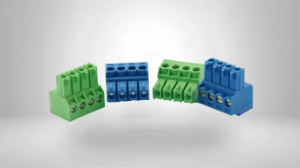
Electrical connectors are crucial components used to establish reliable and secure electrical connections between different devices, wires, or cables. They provide a convenient and efficient means of joining or disconnecting electrical circuits, enabling the transmission of power, signals, or data. Electrical connectors come in various types, including plugs, sockets, terminals, and wire-to-board connectors, offering versatility for different applications. They are designed to ensure proper mating, alignment, and electrical continuity while withstanding environmental factors like temperature, vibration, and moisture. Electrical connectors play a vital role in automotive, aerospace, telecommunications, and consumer electronics industries, facilitating efficient and seamless electrical connectivity.
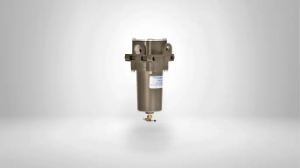
Air filters are essential to removing contaminants, particles, and impurities from compressed air systems. They play a critical role in ensuring clean, high-quality air for various applications, such as pneumatic tools, machinery, and equipment. Air filters capture dust, dirt, moisture, and other airborne particles, preventing them from entering downstream components and causing damage or malfunctions. They are available in different types, including particulate filters, coalescing filters, and activated carbon filters, offering filtration capabilities for specific air quality requirements. Air filters help maintain system performance, prolong equipment lifespan, and ensure reliable and efficient operation.
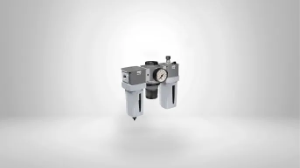
Compressed air FRLs, which encompass Filter, Regulator, and Lubricator components, are integral to pneumatic systems. These units filter, regulate air pressure, and provide lubrication to ensure clean, controlled, and well-maintained compressed air for various industrial applications. Compressed air FRLs are crucial for optimizing the performance and longevity of pneumatic equipment in settings such as manufacturing and automation.
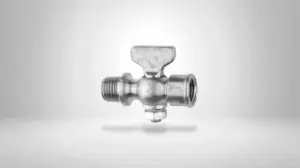
Check and flow valves optimized for pneumatics are indispensable components within pneumatic systems, ensuring controlled and efficient fluid movement in various applications. Check valves permit air flow in one direction while preventing backflow maintaining pressure and system integrity. Flow control valves regulate the rate of airflow, enabling precise adjustments to pneumatic actuator speed and force. Engineered for accuracy and reliability, these valves are crucial in industries like automation, manufacturing, and robotics. Check and flow valves tailored for pneumatics contribute significantly to smooth operation, preventing pressure loss, and optimizing system performance. With diverse sizes and configurations, these valves offer tailored solutions for achieving precise and efficient pneumatic control in various industrial settings.
Air regulators are devices used to control and maintain a consistent and adjustable pressure level in compressed air systems. They are essential for optimizing the performance of pneumatic tools, actuators, and other air-powered equipment. Air regulators monitor the incoming air pressure and regulate it to a desired setpoint, ensuring reliable and consistent operation. They provide precise control over the air pressure, allowing users to adjust and maintain the optimal pressure for specific applications. Air regulators are available in various configurations, including relieving and non-relieving types, with features like pressure gauges and lockout options, offering flexibility and functionality for different pneumatic systems.
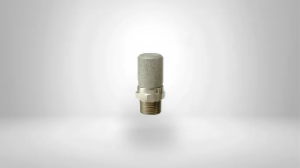
Mufflers, silencers, and speed controls are essential components for optimizing the performance and efficiency of pneumatic systems. Mufflers and silencers reduce noise levels by attenuating exhaust air, promoting a quieter working environment. Speed controls regulate the speed of pneumatic actuators, allowing for precise control and smooth motion. Together, these components enhance system functionality, mitigate noise, and ensure accurate actuation. Whether for machinery, automation, or other applications, mufflers, silencers, and speed controls improve pneumatic system operation and overall productivity.
Air preparation is an integral part of many industrial and commercial applications. At Centro, we carry a complete selection of air preparation products to meet your needs. Our combination air prep units include filters, regulators, and lubricators in a single compact unit. We also offer standalone air filters, FRL filters, and regulators. Whatever your air preparation needs, we have the products to get the job done right. Browse our website today to learn more about our air preparation products and how they can benefit your business or application.
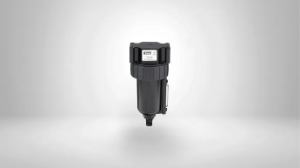
Compressed air filtration is a critical component of air compression systems, designed to remove impurities and contaminants from compressed air. These filtration systems consist of various elements, including coalescing filters and particulate filters, to ensure that the compressed air is clean, dry, and free from pollutants. They find application in industries like manufacturing, automotive, and pharmaceuticals, where the quality of compressed air plays a crucial role in equipment performance and product quality.
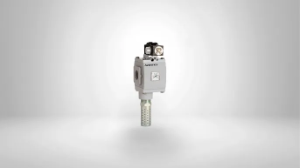
Exhaust valves are integral to fluid control systems, releasing exhaust air or fluids from pneumatic or hydraulic systems. These valves are crucial in maintaining optimal system performance by swiftly expelling used air or fluids, ensuring efficient operation. Available in various configurations, including solenoid-operated and manual types, exhaust valves contribute to system reliability and performance across industries. Whether for automation, industrial machinery, or other applications, exhaust valves offer a reliable fluid management and control solution.

Pneumatic tubing is a flexible and durable material that transports compressed air in pneumatic systems. It is designed to withstand the high pressures and dynamic forces of pneumatic applications. Pneumatic tubing is typically made from polyurethane, nylon, or PVC, offering excellent resistance to abrasion, chemicals, and UV radiation. It comes in various sizes and configurations, including different diameters and wall thicknesses, to accommodate different flow requirements. Pneumatic tubing is easy to cut, bend, and route, allowing for efficient installation and customization. With its reliable performance and flexibility, pneumatic tubing ensures the smooth and efficient transfer of compressed air, contributing to the optimal operation of pneumatic systems.

Standard electrical enclosures are essential components used to house and protect electrical equipment, controls, and wiring. These enclosures provide a safe and secure environment, shielding sensitive electrical components from environmental factors, such as dust, moisture, and physical damage. Standard electrical enclosures are typically made of durable materials, such as steel or aluminum, and feature a sturdy construction with proper sealing to ensure reliable protection. They come in various sizes, configurations, and mounting options to accommodate different equipment and installation requirements. Standard electrical enclosures are crucial in maintaining the integrity and longevity of electrical systems, ensuring safety and efficient operation in industrial, commercial, and residential applications.
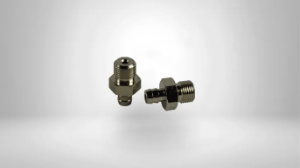
Pneumatic fittings are essential components used to connect and secure pneumatic systems, enabling the efficient transfer and control of compressed air. These fittings provide a leak-free and reliable connection between pneumatic components such as hoses, pipes, valves, and actuators. They come in various types, including push-in fittings, quick-connect couplings, threaded fittings, and barbed fittings, offering versatility and compatibility with different system requirements. Pneumatic fittings are designed to withstand high pressures, vibrations, and temperature variations commonly found in pneumatic applications. With their easy installation and disassembly capabilities, pneumatic fittings enable quick and hassle-free maintenance or reconfiguration of pneumatic systems, ensuring smooth and efficient operation.
A pressure switch is a device used to monitor and control pressure levels in systems or equipment. It detects changes in pressure and activates or deactivates a switch or relay based on predefined pressure thresholds. Pressure switches are widely used in various applications such as HVAC, industrial automation, hydraulic systems, and pneumatic equipment. They provide reliable pressure monitoring, ensuring safe and efficient operation by triggering alarms, activating pumps or valves, or controlling system pressure.

$581.27$632.00
Subject to factory lead times
$858.11$933.00
Subject to factory lead times
Subject to factory lead times
$175.30$192.00
Subject to factory lead times
Subject to factory lead times
$453.43$493.00
Subject to factory lead times
Subject to factory lead times
$313.63$341.00
Subject to factory lead times
Subject to factory lead times
Subject to factory lead times
$276.33$300.45
Subject to factory lead times
$224.08$243.64
Subject to factory lead times
$581.27$632.00
Subject to factory lead times
$858.11$933.00
Subject to factory lead times
Subject to factory lead times
$175.30$192.00
Subject to factory lead times
Subject to factory lead times
$453.43$493.00
Subject to factory lead times
Subject to factory lead times
$313.63$341.00
Subject to factory lead times
Subject to factory lead times
Subject to factory lead times
$276.33$300.45
Subject to factory lead times
$224.08$243.64
Subject to factory lead times